550-Million-Year-Old Worm Was First Known Righty
Scientists discovered the earliest animal with a head also had a right-side preference, just like most humans today. This tiny ocean creature from 550 million years ago set the evolutionary stage for handedness in everything from primates to insects.
A wormlike creature that wiggled across ancient seafloors 550 million years ago just became the oldest known animal to favor one side over the other. If you're right-handed, you might have this little guy to thank.
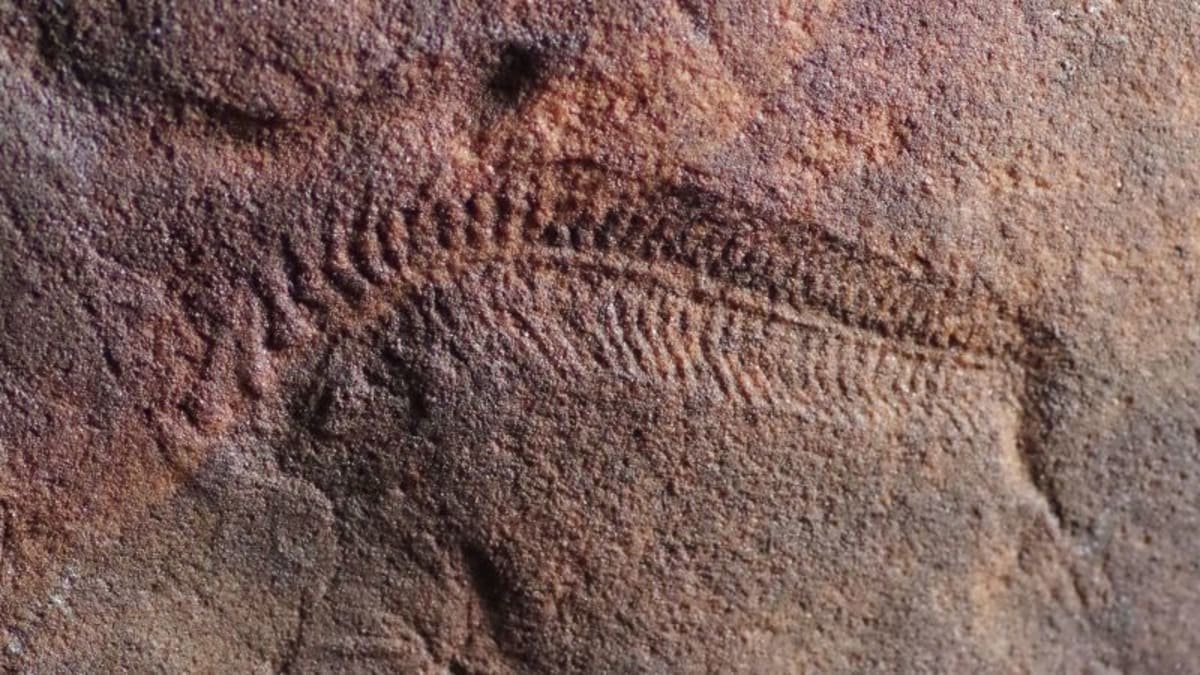
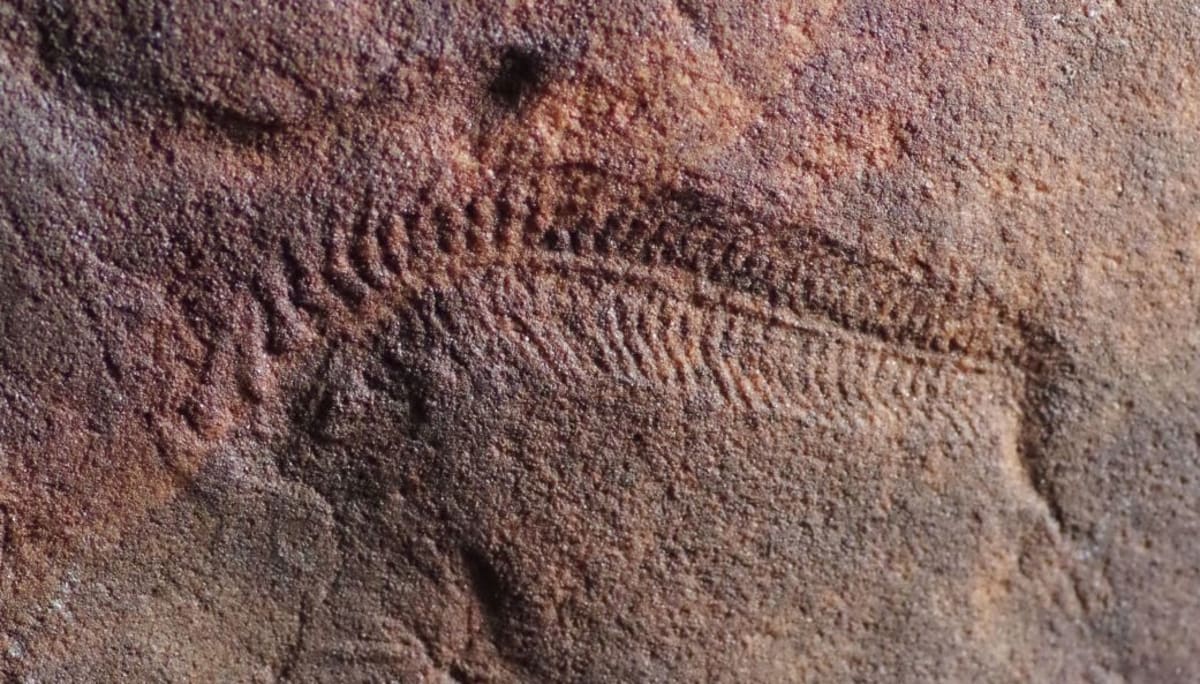
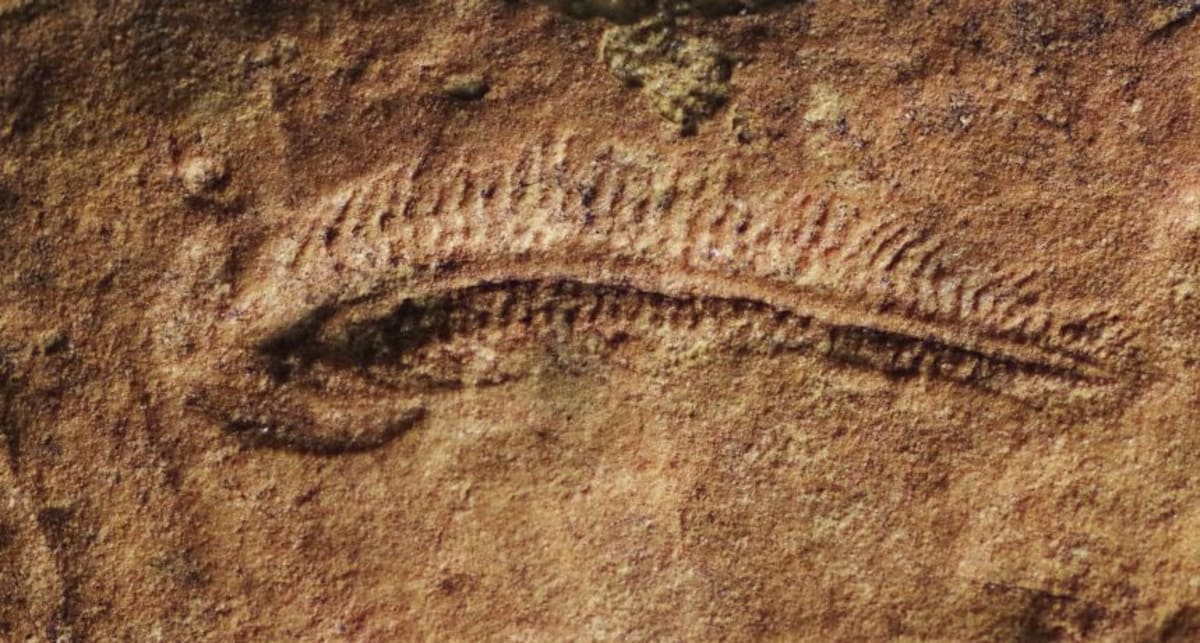
Spriggina floundersi lived during Earth's first burst of animal life, when oceans teemed with strange new creatures. The flat, segmented animal grew no longer than 4 inches, with most measuring just an inch or two, but it made history as the earliest known animal with a head.
Scientists have studied Spriggina fossils from South Australia since 1958, but they couldn't agree on whether it could move on its own. Researcher Scott Evans from the American Museum of Natural History decided to settle the debate by examining more than 100 fossils in the most detailed study since the creature's discovery.
The breakthrough came when Evans noticed something odd. About twice as many fossils curved left as curved right, and since these were mirror impressions in rock, that meant the living animals bent right twice as often.
Evans recognized this 2 to 1 ratio from studies of modern animals. It's the same proportion seen in right-handed humans, primates, mice, frogs, and insects today.
The team ruled out other explanations by studying the rocks around each fossil. If ocean currents or storms had pushed the dead animals into curves, all the fossils in one area would bend the same way. Instead, specimens pointed in different directions with varying degrees of bend.
Some Spriggina fossils lay straight while others formed tight U shapes, proving the animal could move however it wanted. The preference for right-turning wasn't random chance but a real behavioral choice.
Why This Inspires
This discovery shows that even half a billion years ago, at the very dawn of animal life, creatures already had connected nervous systems and muscles sophisticated enough to show preferences. The same trait that makes you reach for a pen with your right hand or kick a ball with your left foot existed in one of Earth's earliest animals with a head.
Diego García-Bellido, a paleontology expert not involved in the study, praised the research team for carefully considering every alternative explanation before drawing their conclusion. Finding behavioral preferences in such ancient fossils seemed impossible until now.
No animal quite like Spriggina exists in today's oceans, but its legacy lives on in billions of creatures, including us.
More Images

Based on reporting by Google News - Science
This story was written by BrightWire based on verified news reports.
Spread the positivity!
Share this good news with someone who needs it