One Bone Reveals New Giant Dinosaur Species in Thailand
Scientists identified an entirely new species of giant dinosaur from a single vertebra found in Thailand. The discovery proves that mamenchisaurid sauropods roamed Southeast Asia 143 million years ago.
A single bone smaller than your hand just rewrote part of dinosaur history.
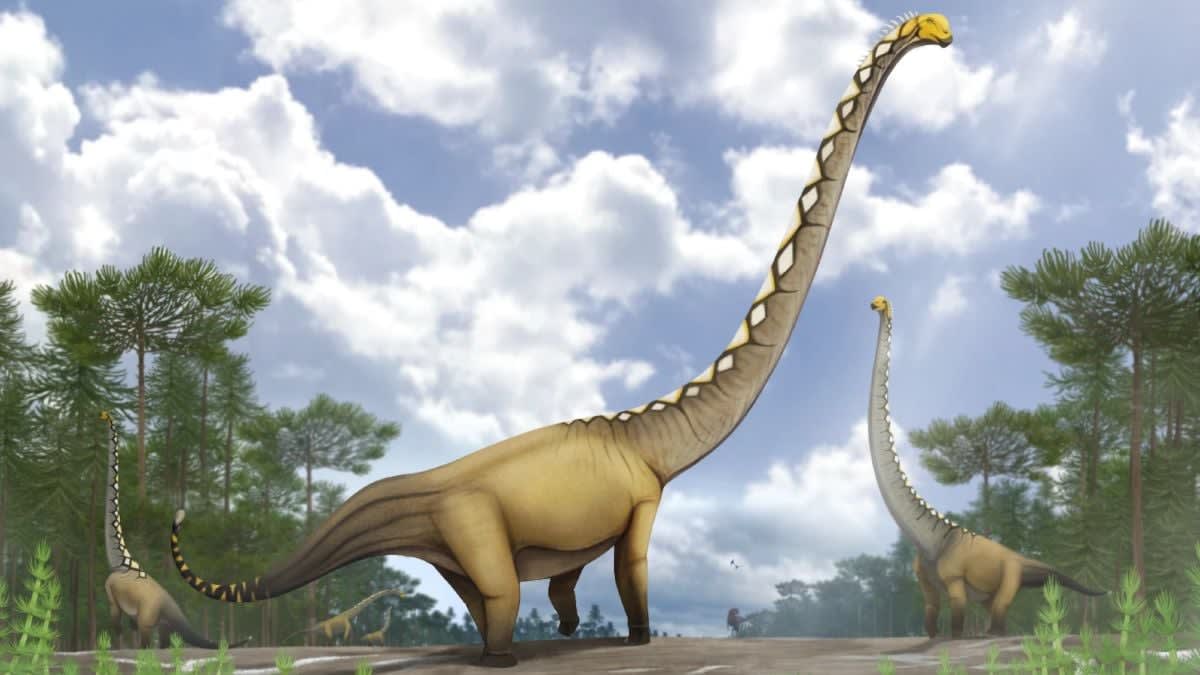
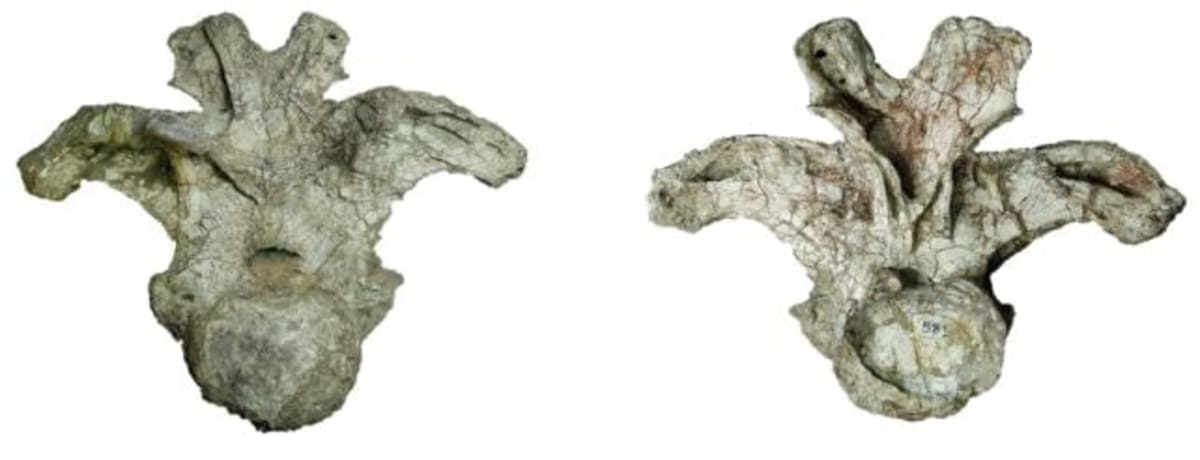
Paleontologists in Thailand discovered a vertebra that revealed an entirely new species of giant plant-eating dinosaur. They named it Uragasaurus kalasinensis, and it's the first formally identified member of the Mamenchisauridae family from northeastern Thailand.
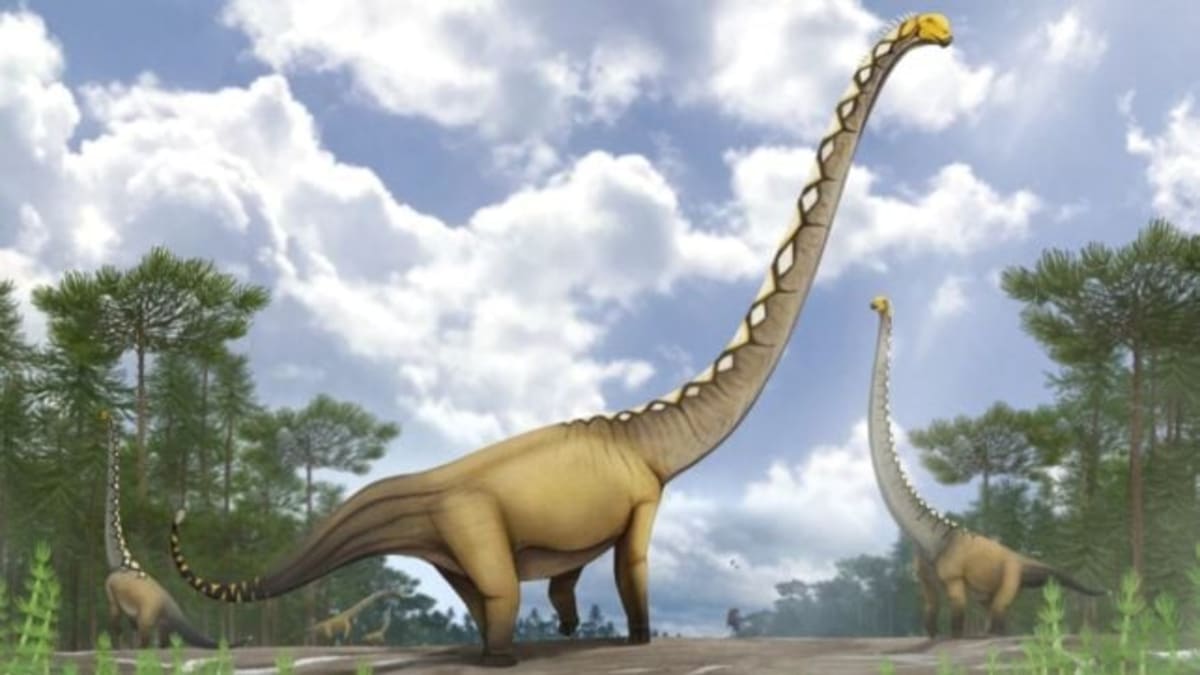
The dinosaur belonged to the sauropod group, the same family as Diplodocus and Brontosaurus. It roamed the forests of Southeast Asia around 143 million years ago, just before the transition between the Jurassic and Cretaceous periods.
Dr. Apirut Nilpanapan and his team from Mahasarakham University found the fossil in the Phu Kradung Formation, an ancient floodplain where rivers deposited sediment for millions of years. Most fossils from this site emerge as scattered fragments, making complete identifications challenging.
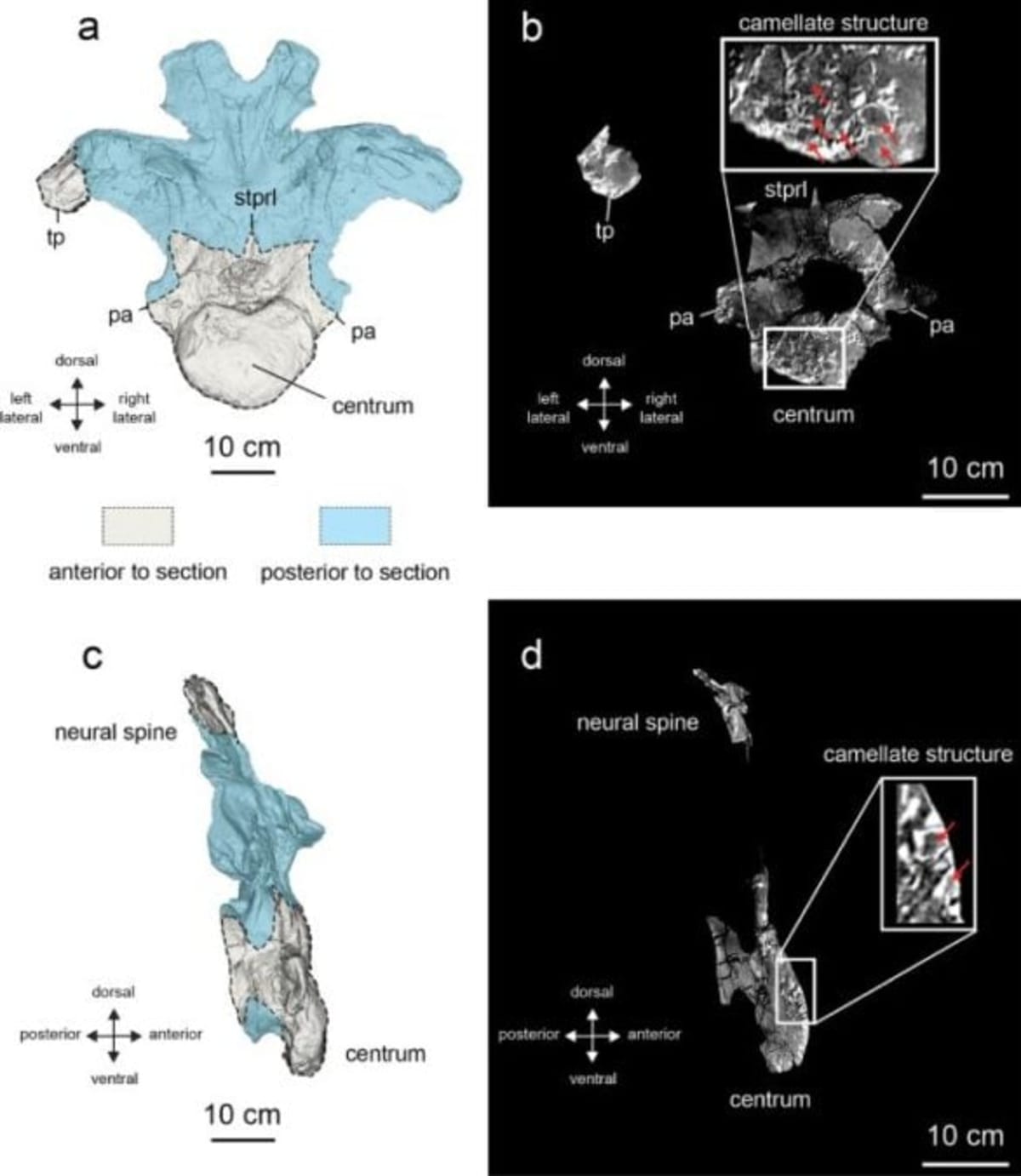
To untrained eyes, one sauropod vertebra looks like any other. But paleontologists read bones like fingerprints, examining the shape, the arrangement of supporting ridges, and the hollows where air sacs once connected to the respiratory system.
CT scans revealed unique features that set this vertebra apart from every known species. An unusual Y-shaped arrangement of bony ridges on the exterior and distinctive air pockets inside the bone created an anatomical signature scientists had never seen before.
The team found several other sauropod bones nearby, including a fibula, coracoid, and additional vertebrae. They may have belonged to the same creature, but only the original vertebra contained features distinctive enough to confidently diagnose a new species.
Why This Inspires
This discovery proves that one small piece can tell an enormous story. Most mamenchisaurids have been found in China, so Uragasaurus confirms this dinosaur family lived across Southeast Asia during the Late Jurassic period.
The find adds a new branch to the sauropod family tree and helps scientists understand how these giant creatures evolved and spread across the ancient world. Every fragment recovered from sites like the Phu Kradung Formation brings us closer to understanding Earth's prehistoric past.
The researchers believe continued exploration in Southeast Asia will reveal even more about how mamenchisaurid sauropods dispersed across continents millions of years ago.
One vertebra in the right hands can illuminate millions of years of evolutionary history.
More Images

Based on reporting by Google: fossil discovery
This story was written by BrightWire based on verified news reports.
Spread the positivity!
Share this good news with someone who needs it