150-Million-Year-Old Fossil Solves Bird Tail Mystery
Scientists in China discovered a tiny prehistoric bird that finally explains how dinosaurs lost their long tails and became modern birds. The 150-million-year-old fossil bridges a gap that has puzzled researchers for decades.
A perfectly preserved fossil smaller than a sparrow just rewrote our understanding of how dinosaurs became the birds we see today.
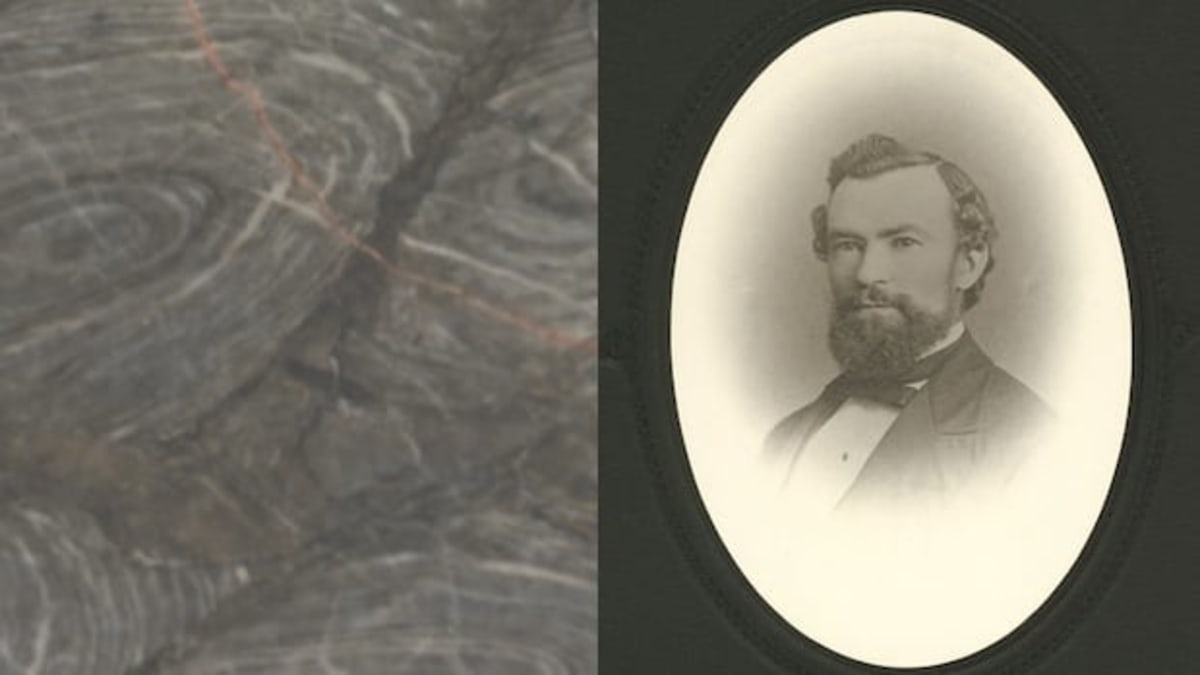
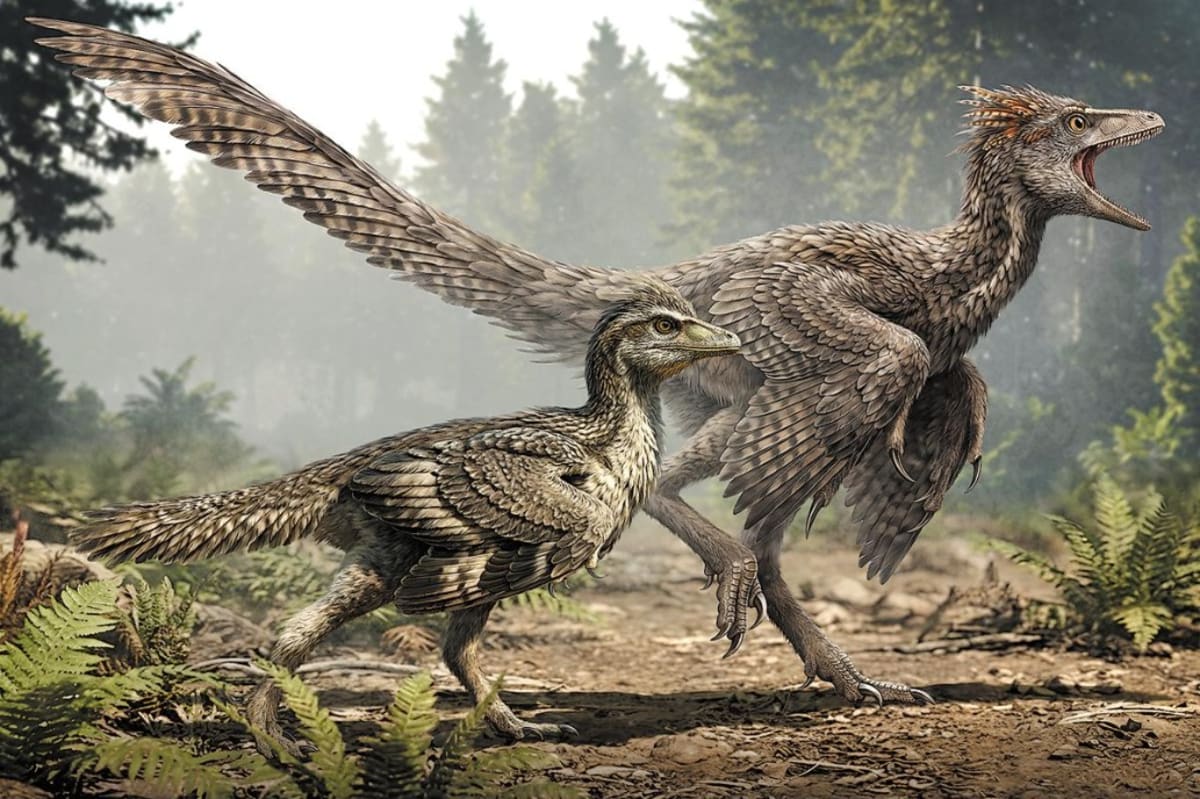
Meet Zhengheornis buyu, a 150-million-year-old bird discovered in Fujian province, China, after 400 days of careful excavation. This tiny creature weighed less than six ounces but carries massive scientific importance.
For years, evolutionary biologists faced a frustrating puzzle. How did ground-dwelling dinosaurs with long, heavy tails transform into the lightweight, short-tailed birds that fill our skies today? The fossil record showed long-tailed dinosaurs and modern short-tailed birds appearing almost simultaneously, with no evolutionary stepping stone between them.
Many scientists believed the transition happened too quickly for intermediate forms to exist. They thought dinosaurs either had long tails or the fused, compact tail structure of modern birds, with nothing in between.
Zhengheornis buyu proves them wrong. This remarkable fossil shows exactly 15 tail vertebrae, significantly fewer than other early birds like Archaeopteryx (which had 23 to 24) but without the fused tail bone structure of modern birds.
The discovery confirms that tail evolution happened in stages. First, ancient birds lost vertebrae and shortened their tails. Only later did the remaining bones fuse together into the compact pygostyle that modern birds possess today.
This shortened but still flexible tail gave Zhengheornis buyu real advantages. The reduced weight shifted its center of gravity forward and allowed more effective tail feather movement, improving flight stability and control compared to longer-tailed contemporaries.
The fossil also sets another record as the smallest known member of the dinosaur-bird family tree. Researchers estimate it weighed just 74 to 163 grams in life, about 10 percent smaller than the smallest known Archaeopteryx specimen.
Why This Inspires
This discovery reminds us that nature rarely makes sudden leaps. Evolution works through gradual, practical improvements that compound over millions of years into extraordinary transformations.
The researchers spent over 400 days carefully excavating this single site, demonstrating how patient, methodical science can answer questions that have puzzled humanity for generations. Their persistence uncovered a creature so small it could fit in your palm, yet so significant it resolves debates spanning decades.
The find also reveals that by the end of the Jurassic period, birds had already split into diverse species with vastly different body shapes, suggesting the bird family tree grew rich and complex far earlier than previously thought.
Sometimes the smallest discoveries carry the biggest revelations about our world.
More Images
Based on reporting by Google: fossil discovery
This story was written by BrightWire based on verified news reports.
Spread the positivity!
Share this good news with someone who needs it