Space Telescope Finds 31 Ancient Quasars in Just One Year
Europe's Euclid telescope just discovered more ancient quasars in 12 months than astronomers found in the previous decade. These cosmic beacons from the universe's infancy are revealing secrets about how galaxies like our Milky Way came to exist.
A European space telescope is rewriting the timeline of cosmic discovery, and what it found will help us understand where we came from.
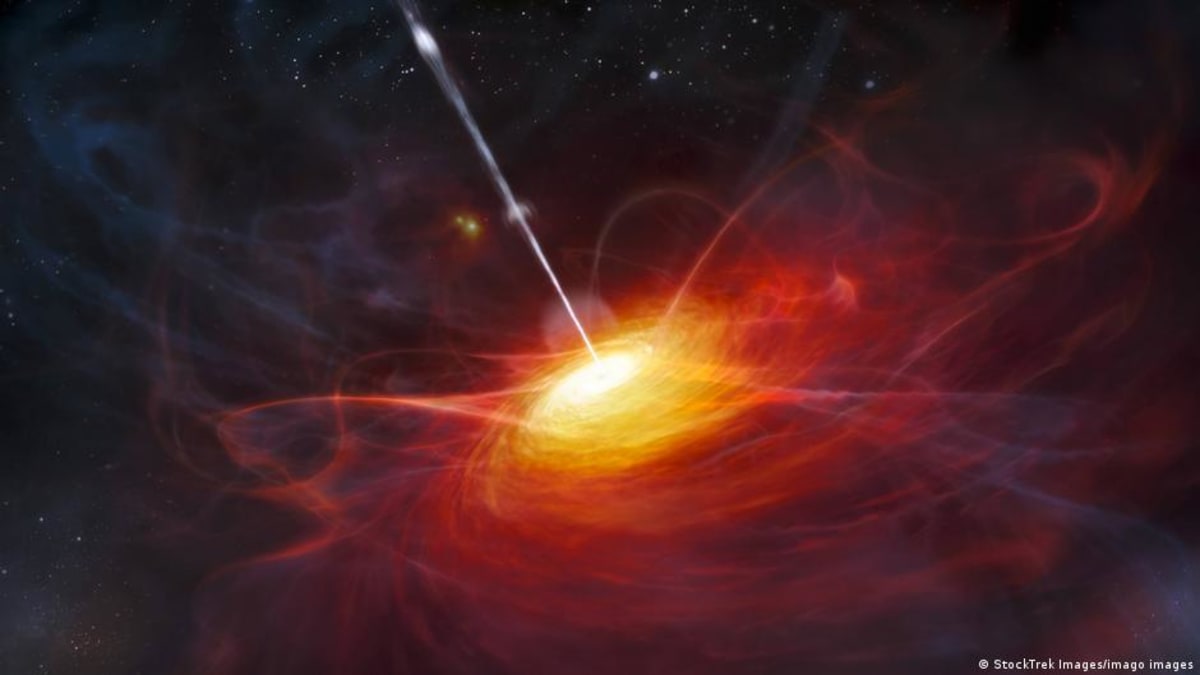
The European Space Agency's Euclid telescope has spotted 31 ancient quasars dating back to when the universe was just 670 million years old. That's within the first 5% of cosmic history, a period so early that these blazing objects can tell us how supermassive black holes and galaxies first formed.
Here's what makes this discovery remarkable. It took astronomers more than a decade to find the first 10 quasars this ancient. Euclid found triple that number in a single year of operation.
"Before, we could only find a handful of the very brightest ancient quasars, but Euclid lets us search far more efficiently across huge areas of the night sky to capture much fainter light," says Daming Yang, lead author of the study published in July 2026. "It's a unique tool for quasar hunting."
Quasars are among the brightest objects in the universe, powered by supermassive black holes at the centers of distant galaxies. They're easy to confuse with stars closer to Earth, but when astronomers spot them, they're essentially looking back in time.
The two oldest quasars in this discovery have redshift measurements of 7 or above. Redshift tells astronomers how far away something is, similar to how an ambulance siren changes pitch as it moves past you, except with light instead of sound. The higher the redshift, the farther away and older the object.
What makes Euclid so effective is its ability to scan vast stretches of space quickly while detecting much fainter light than previous telescopes. The spacecraft launched in 2024 with a mission to map the universe, and it's already exceeding expectations.
Why This Inspires
This discovery represents a quantum leap in our ability to study the universe's earliest moments. By more than doubling the number of known ancient quasars, astronomers now have a much larger sample to understand how the cosmic structures we see today, including our own Milky Way, came into being.
ESA Research Fellow Antonio La Marca captures the significance simply: "This finding more than doubles the number of quasars we know of that are so ancient."
Each of these 31 quasars is a time capsule, carrying information across billions of years to help us understand our cosmic origins and our place in an ever-expanding universe.
More Images
Based on reporting by DW News
This story was written by BrightWire based on verified news reports.
Spread the positivity!
Share this good news with someone who needs it