Search

Find uplifting stories about heroes, innovations, and solutions

28 results for "quasars"

Arizona Team Finds Oldest Quasar in the Universe
InnovationJul 8

Arizona Team Finds Oldest Quasar in the Universe

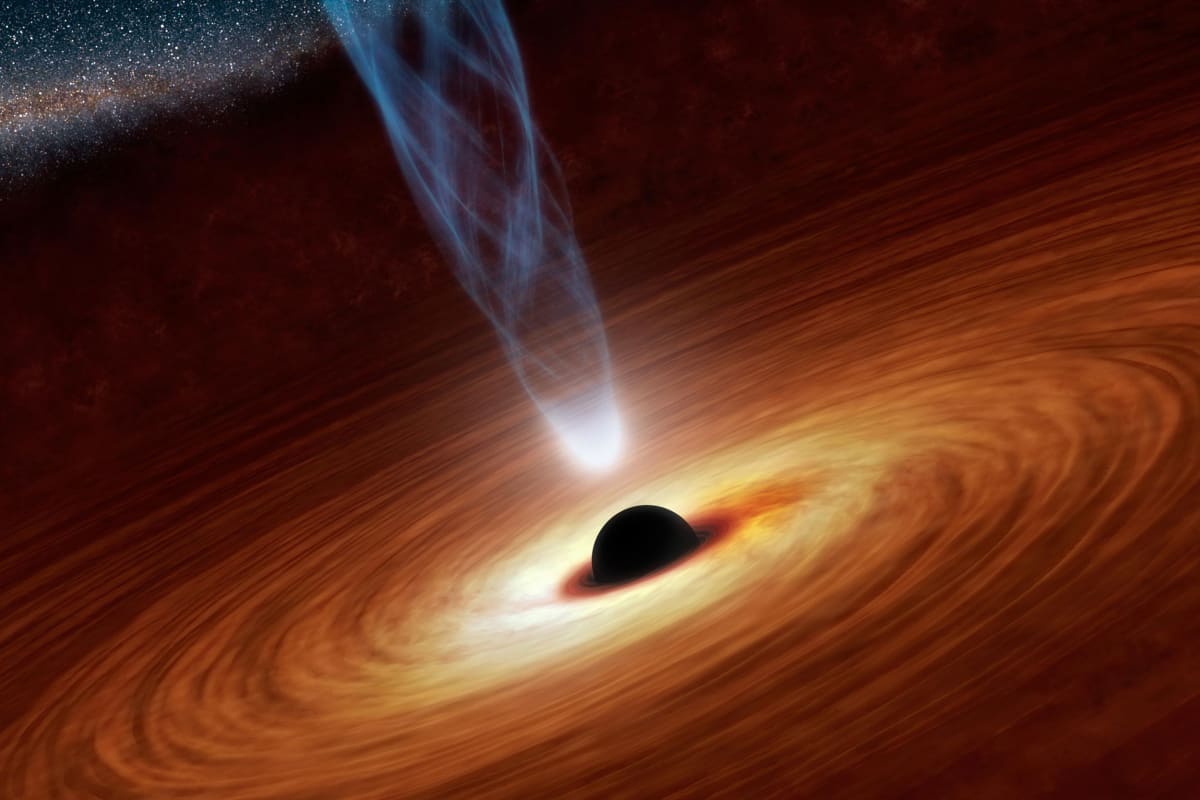
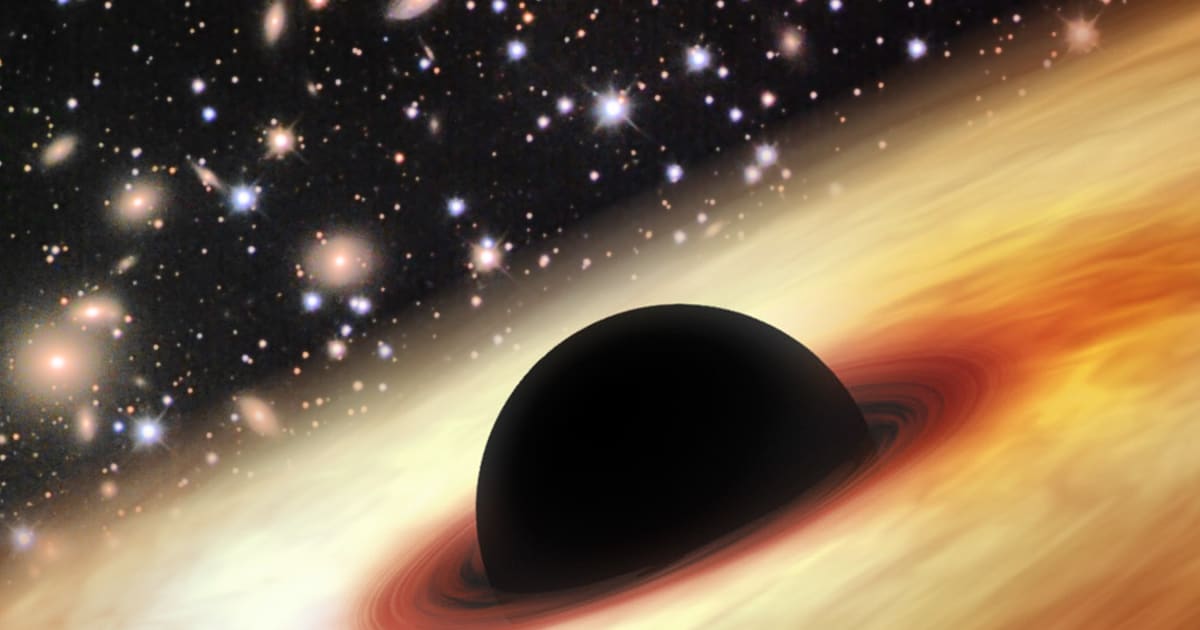
Scientists discovered a quasar from when the universe was just 670 million years old, the oldest ever found. Arizona researchers and telescopes helped spot 31 new quasars that could rewrite our understanding of how massive black holes formed.
Google News - Researchers Find2 min read
Space Telescope Finds 31 Ancient Quasars in Just One Year
InnovationJul 6

Space Telescope Finds 31 Ancient Quasars in Just One Year

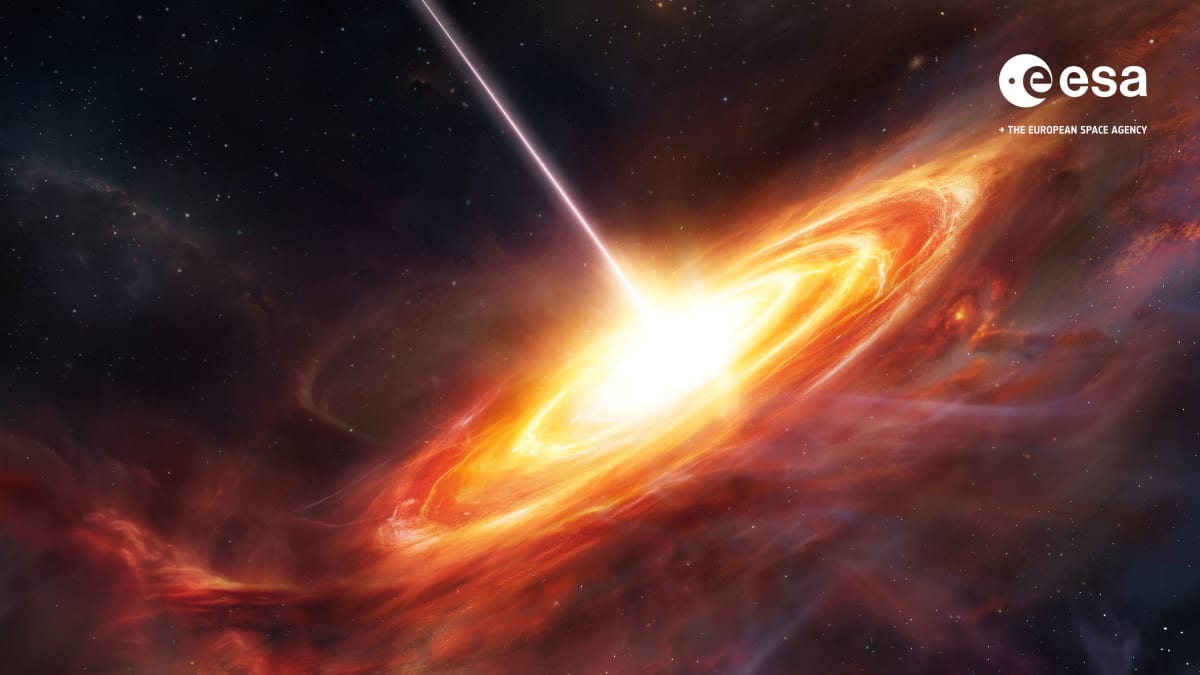
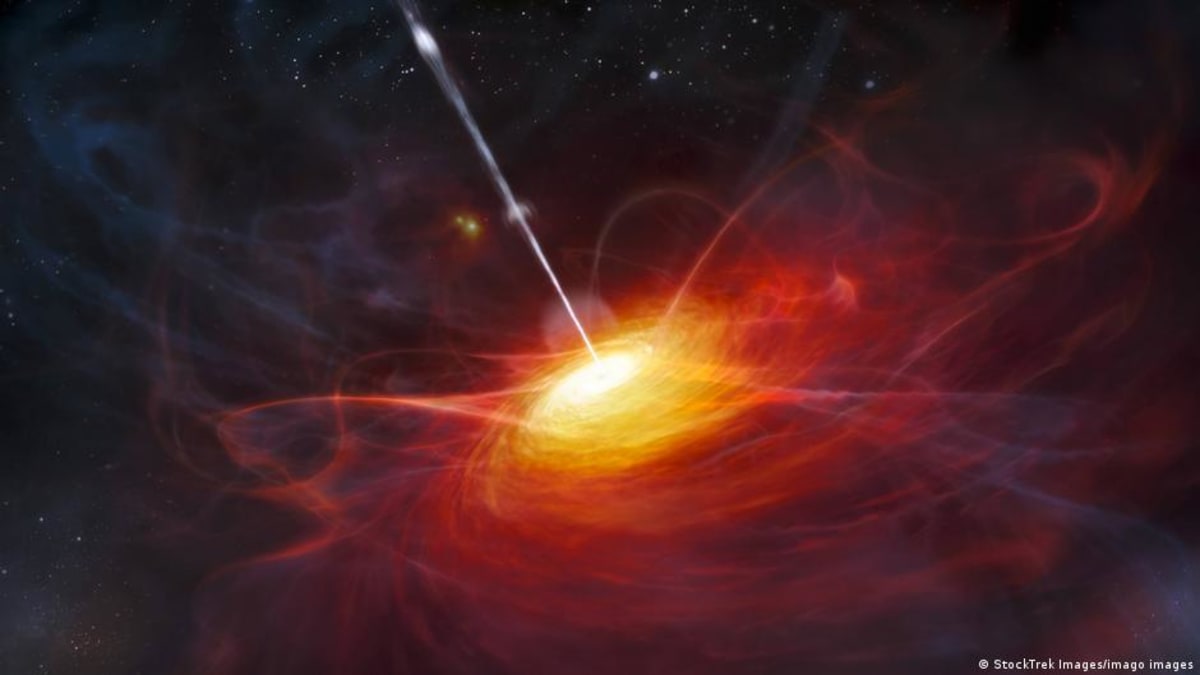
Europe's Euclid telescope just discovered more ancient quasars in 12 months than astronomers found in the previous decade. These cosmic beacons from the universe's infancy are revealing secrets about how galaxies like our Milky Way came to exist.

DW News2 min read
Ohio State AI Finds Rare Quasar Lenses in Deep Space
InnovationJul 30

Ohio State AI Finds Rare Quasar Lenses in Deep Space

Graduate student Everett MacArthur and Ohio State astronomers used artificial intelligence to discover several ultra-rare quasar gravitational lenses, unlocking new ways to understand how galaxies and black holes form together. The breakthrough shows how AI can help scientists find cosmic treasures hidden in massive telescope data.

Google News - Scientists Discover2 min read
MIT Finds Earliest Flickering Quasar From Cosmic Dawn
InnovationJun 9

MIT Finds Earliest Flickering Quasar From Cosmic Dawn

Astronomers detected a quasar flickering from just 850 million years after the Big Bang, revealing surprisingly mature black holes existed far earlier than expected. The discovery opens new questions about how the universe's most powerful engines shaped the earliest galaxies.

MIT News3 min read
Euclid Telescope Finds 2 Oldest Black Holes Ever Seen
InnovationJul 8

Euclid Telescope Finds 2 Oldest Black Holes Ever Seen

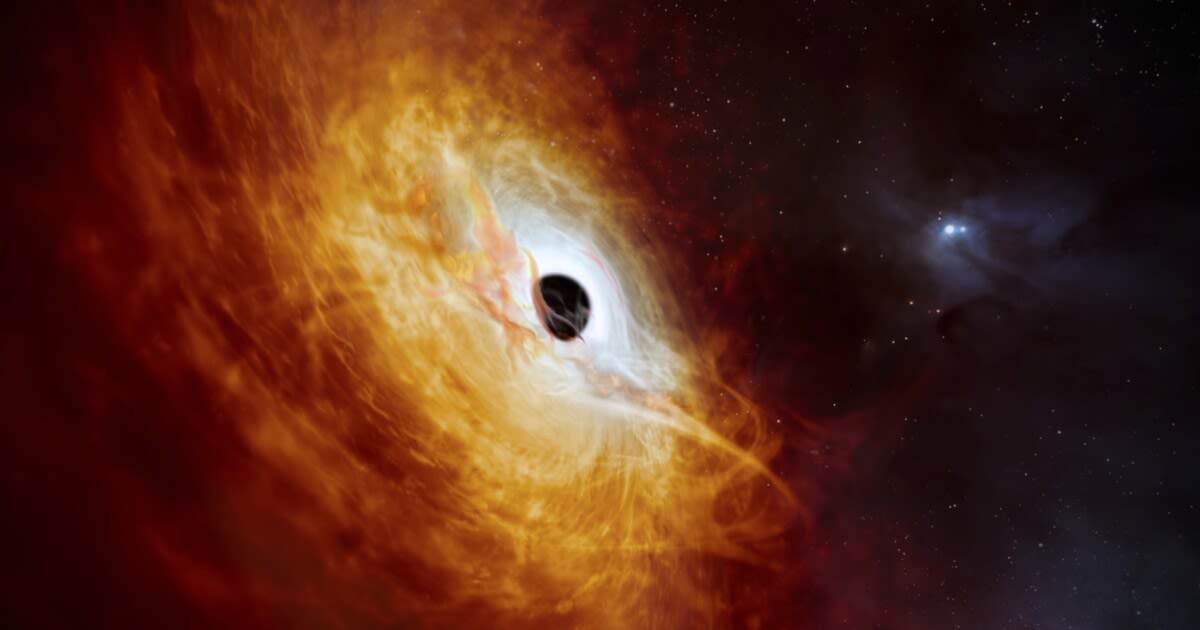
Scientists just discovered 31 ancient quasars, including the two oldest ever found, shining from when the universe was barely 5% its current age. These cosmic beacons, each brighter than a trillion suns, could finally explain how supermassive black holes grew so large so quickly after the Big Bang.

Live Science2 min read
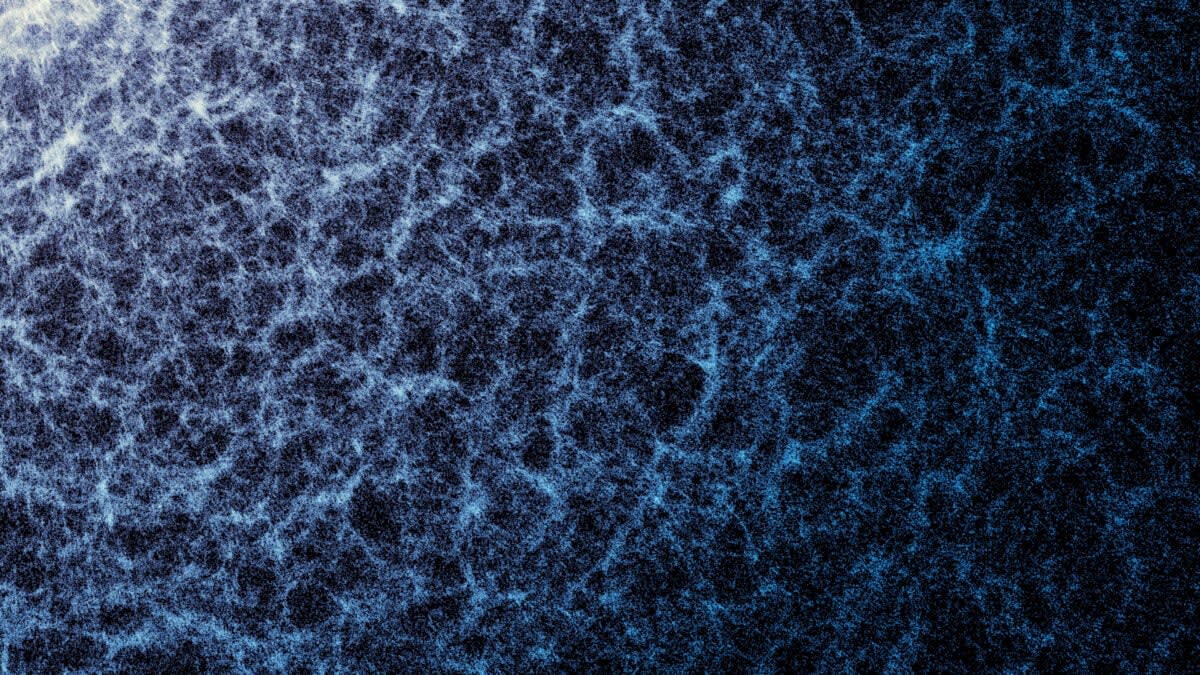
Scientists Complete Largest Ever 3D Map of the Universe
InnovationApr 19

Scientists Complete Largest Ever 3D Map of the Universe

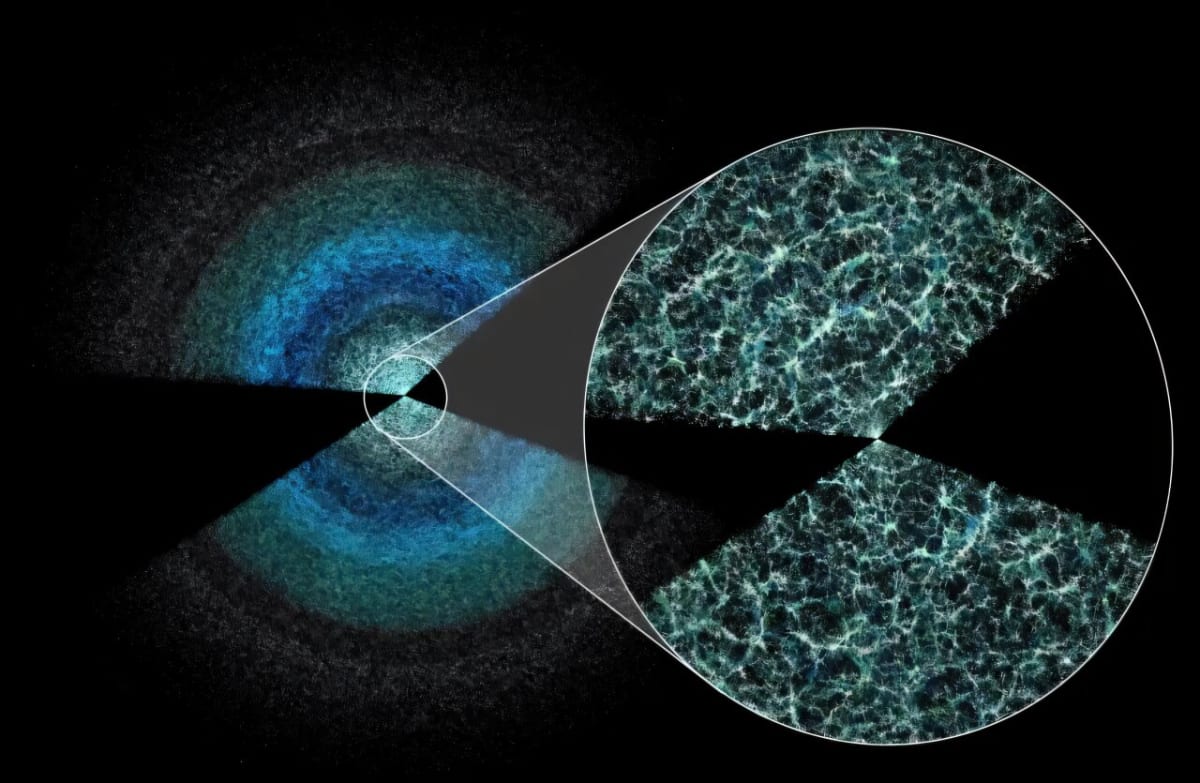
An international team has finished mapping 47 million galaxies and quasars across 11 billion years of cosmic history, delivering answers about the mysterious force shaping our universe's fate. The breakthrough could revolutionize our understanding of dark energy and how the cosmos evolves.

Google News - Science3 min read
Scientists Map 47 Million Galaxies in Cosmic Breakthrough
InnovationApr 15

Scientists Map 47 Million Galaxies in Cosmic Breakthrough

Astronomers just completed the largest map of the universe ever made, capturing 47 million galaxies and quasars. The breakthrough could solve mysteries about dark energy and reshape our understanding of the cosmos.

New Scientist2 min read
Scientists Complete Largest 3D Map of the Universe Ever Made
InnovationApr 16

Scientists Complete Largest 3D Map of the Universe Ever Made

A telescope in Arizona just finished mapping 47 million galaxies and quasars, creating the most detailed view of our universe ever captured. The findings could completely change what we know about the mysterious force expanding our cosmos.

Space.com3 min read
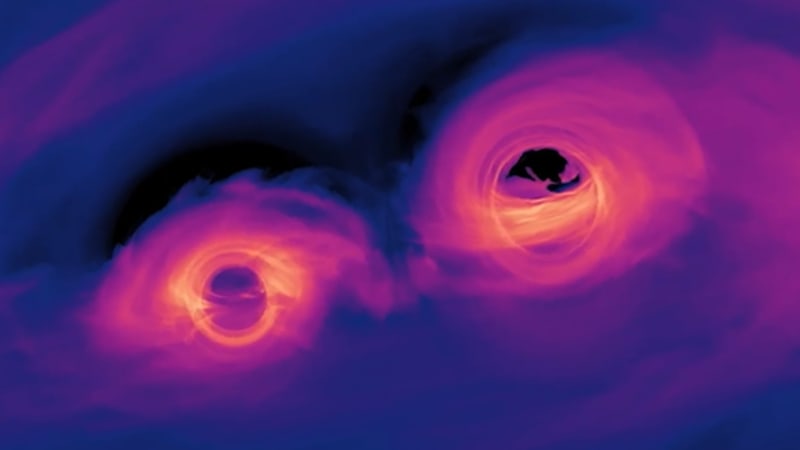
Scientists Name Merging Black Holes After Lord of the Rings
InnovationFeb 14

Scientists Name Merging Black Holes After Lord of the Rings

Astronomers discovered two supermassive black hole binaries and named them Gondor and Rohan after the iconic Lord of the Rings locations. The discovery uses a groundbreaking technique that could map cosmic collisions across the universe.

Space.com2 min read
Astrophysicist's Wonder: Chasing Black Holes Across Space
InnovationFeb 22

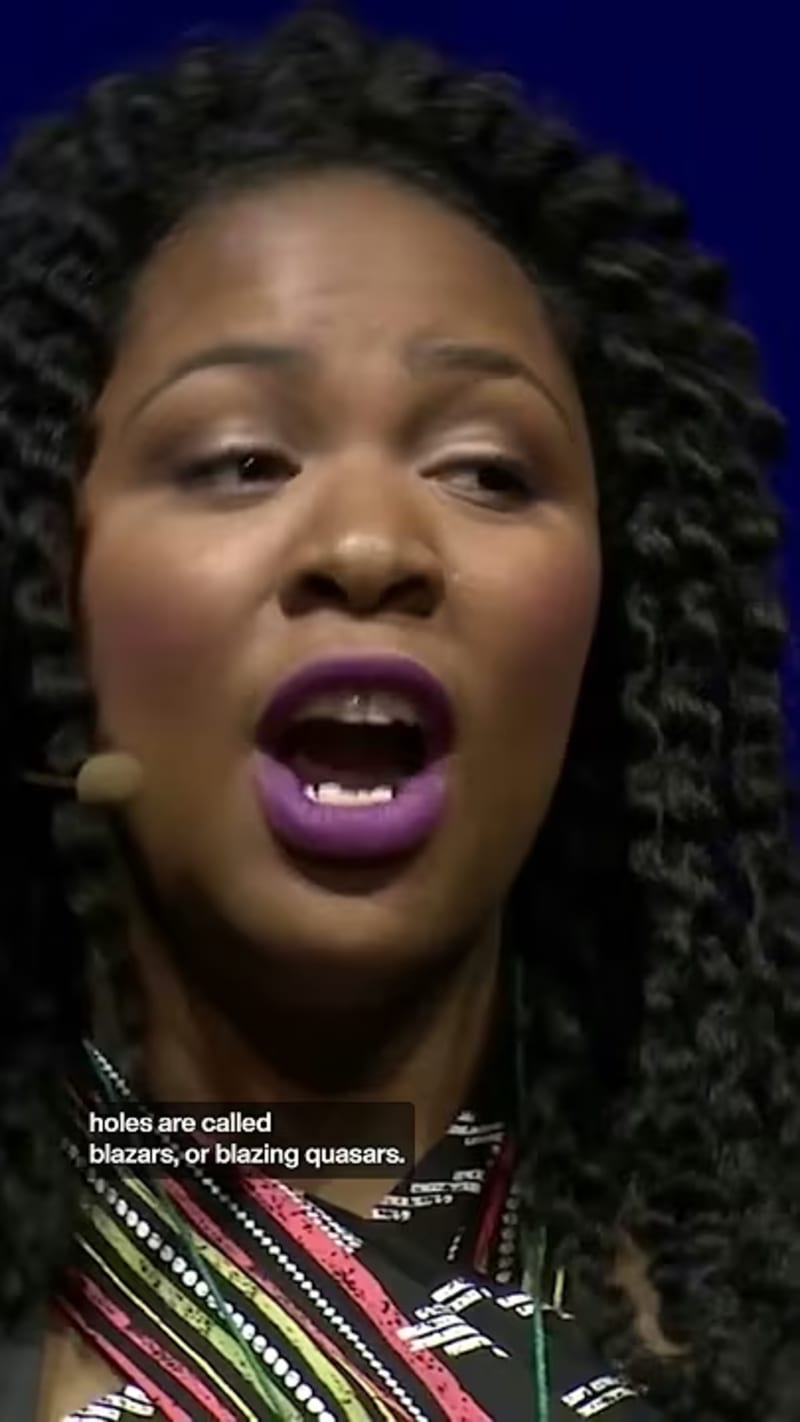
Astrophysicist's Wonder: Chasing Black Holes Across Space

A girl who fell in love with the night sky grew up to study supermassive black holes trillions of kilometers from Earth. Dr. Jedidah Isler now researches some of the universe's most powerful objects, proving childhood dreams can reach across galaxies.

TED2 min read
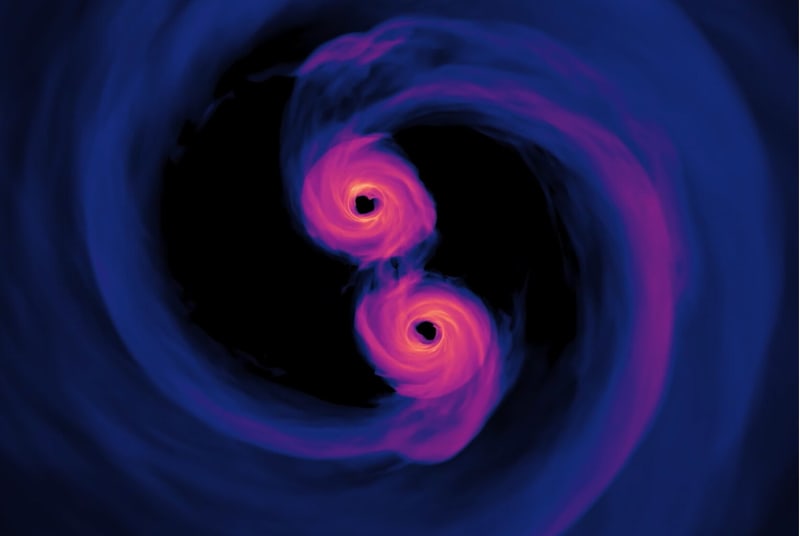
Scientists Map Merging Black Holes With Gravitational Waves
InnovationFeb 6

Scientists Map Merging Black Holes With Gravitational Waves

Astrophysicists just created the first detection system that uses gravitational waves to locate merging black holes across the universe, opening a revolutionary new way to explore space. The breakthrough already identified two supermassive black hole pairs nicknamed after Lord of the Rings locations.

Google News - Science2 min read
Scientists Map 47 Million Galaxies in 3D Atlas of Universe
InnovationApr 15

Scientists Map 47 Million Galaxies in 3D Atlas of Universe

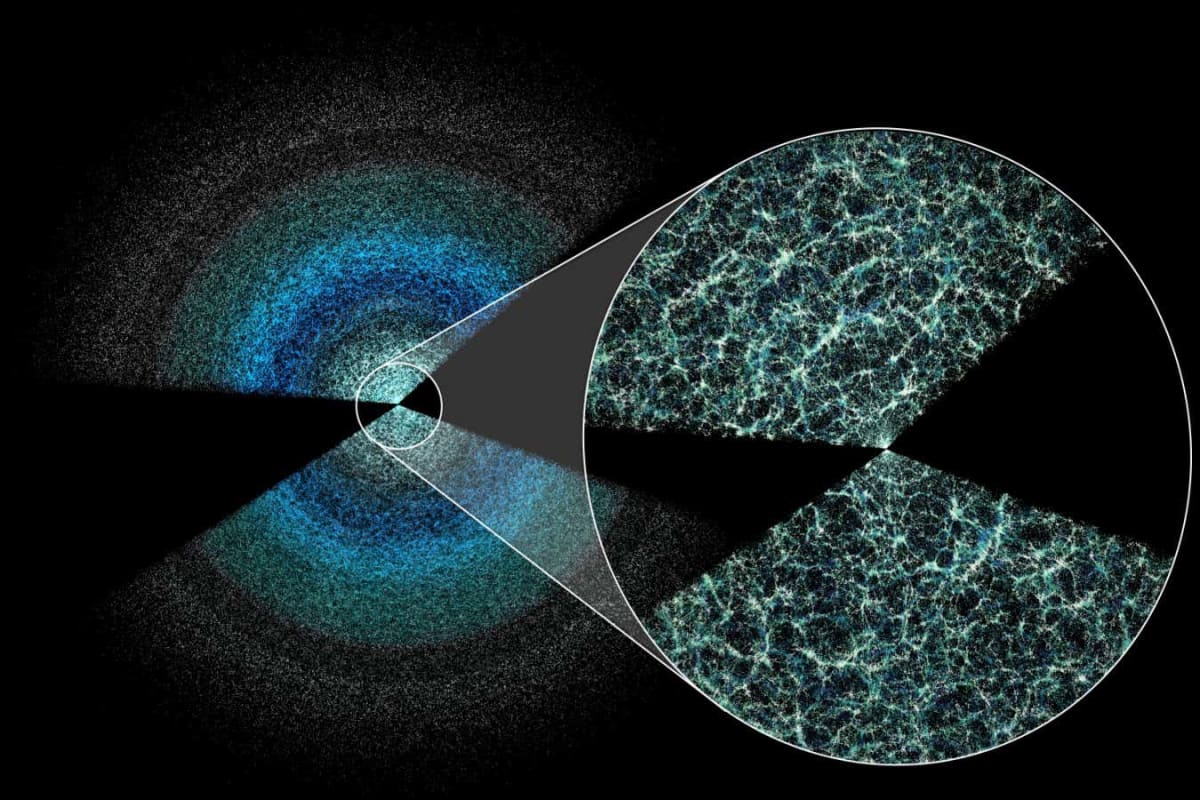
After five years of stargazing, a telescope in Arizona just completed the most detailed 3D map of the universe ever created, capturing 47 million galaxies across 11 billion years of cosmic history. The breakthrough could finally reveal how dark energy shapes our universe's fate.

Google News - Science3 min read
Scientists Map 47 Million Galaxies in Historic Survey
InnovationApr 15

Scientists Map 47 Million Galaxies in Historic Survey

An international team has created the largest 3D map of the universe ever made, charting 47 million galaxies across billions of years. The breakthrough helps us understand where the cosmos came from and where it's headed.

Google: James Webb telescope2 min read
Scientists Complete Largest 2D Map of Universe
InnovationAug 12

Scientists Complete Largest 2D Map of Universe

After 13 years and 263,407 photographs, scientists have mapped three-quarters of the night sky, capturing nearly four billion celestial objects. The massive project gives everyone free access to explore galaxies, stars, and black holes across 75 percent of the cosmos.

Google News - Science2 min read
Radio Hiss in 1933 Unlocked a New Way to See the Universe
InnovationMay 7

Radio Hiss in 1933 Unlocked a New Way to See the Universe

A Bell Labs engineer investigating phone static accidentally discovered that the Milky Way emits radio waves, birthing an entirely new field of astronomy. Karl Jansky's curious pursuit of a mysterious hiss opened our eyes to an invisible universe we never knew existed.

Google: scientific discovery3 min read
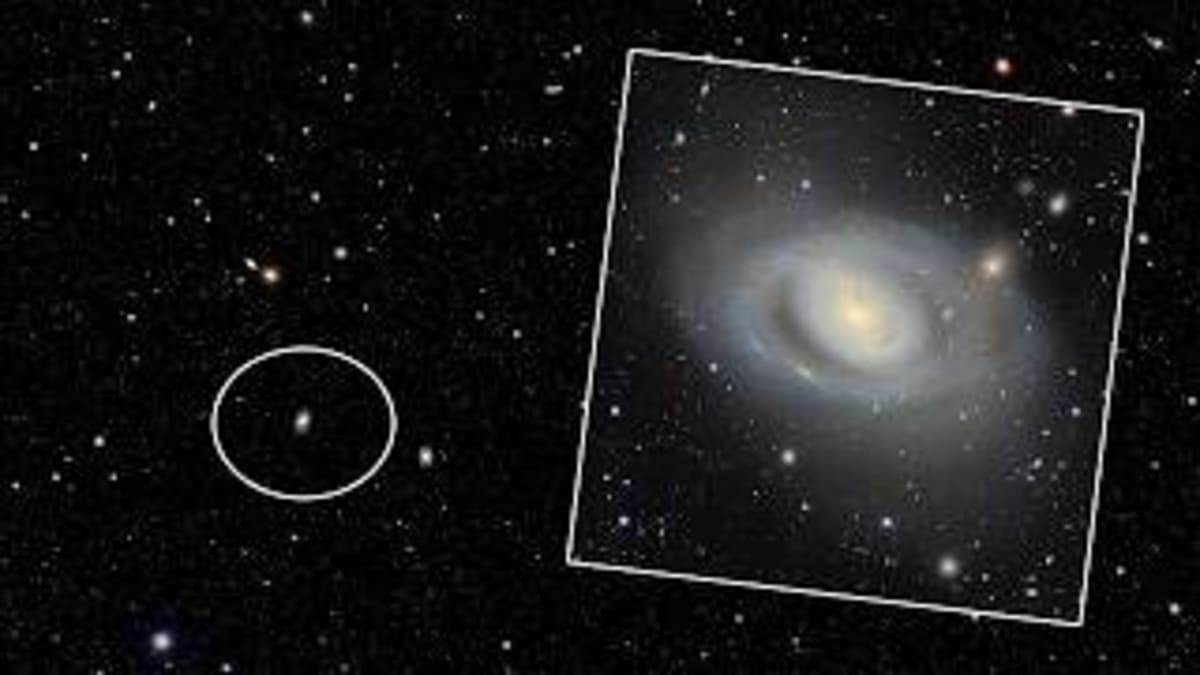
Teen Finds 1.5 Million Space Objects NASA Never Saw
InnovationFeb 2

Teen Finds 1.5 Million Space Objects NASA Never Saw

An 18-year-old high school student from California discovered over 1.5 million unknown space objects by building an algorithm to analyze retired NASA telescope data. His breakthrough won him $250,000 and publication in a major astronomy journal.

Google: NASA discovery3 min read
Teen's AI Finds 1.5 Million Hidden Space Objects
InnovationMay 5

Teen's AI Finds 1.5 Million Hidden Space Objects

A Pasadena high school student built an AI system that discovered 1.5 million previously unknown objects in space by analyzing overlooked NASA data. His breakthrough is changing how scientists approach massive datasets and earned him $250,000 in a national science competition.

Google News - AI Breakthrough2 min read
Teen Finds 1.5M Space Objects in NASA Data, Wins $250K
Community HeroesFeb 5

Teen Finds 1.5M Space Objects in NASA Data, Wins $250K

A high school student used machine learning to discover 1.5 million previously unknown variable objects hidden in NASA's archives. Matteo Paz turned a summer project into a groundbreaking contribution to astronomy.

Google: NASA discovery3 min read
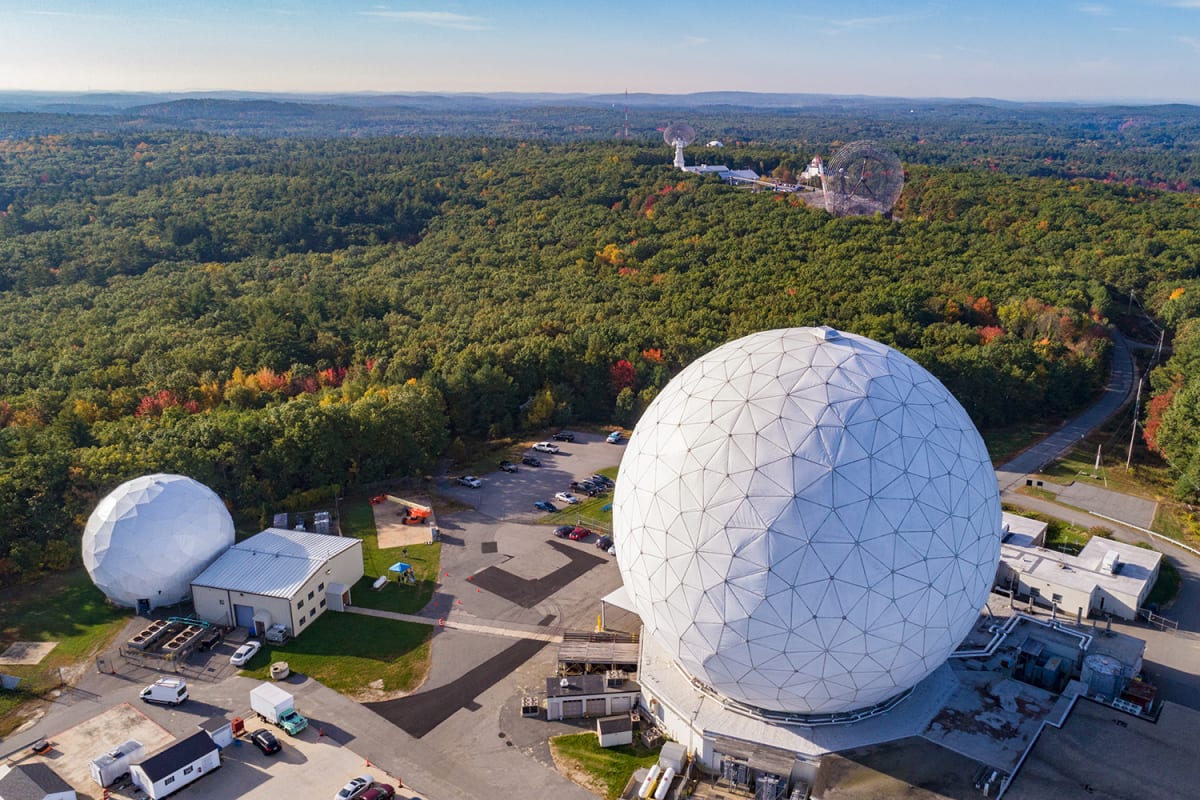
MIT's Historic Radio Telescope Returns to the Stars
InnovationMay 20

MIT's Historic Radio Telescope Returns to the Stars

After years of upgrades, MIT's legendary Haystack 37m Telescope is back exploring the cosmos, capturing images of supermassive black holes and training the next generation of astronomers. The 60-year-old instrument that helped guide Apollo missions just made its triumphant return to cutting-edge science.

MIT News3 min read
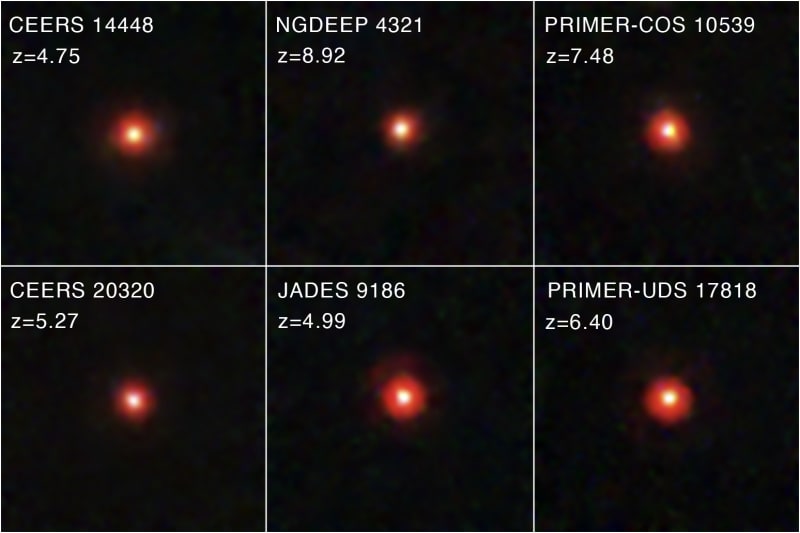
Webb Telescope Solves Mystery of 'Little Red Dots
InnovationFeb 6

Webb Telescope Solves Mystery of 'Little Red Dots

The James Webb Space Telescope discovered mysterious bright red objects from the early Universe that shouldn't exist according to standard physics. Scientists just figured out they're a new type of black hole that formed directly from gas clouds, solving a cosmic puzzle.

Google: James Webb telescope3 min read

Showing 20 of 28