Scientists Complete Largest 2D Map of Universe
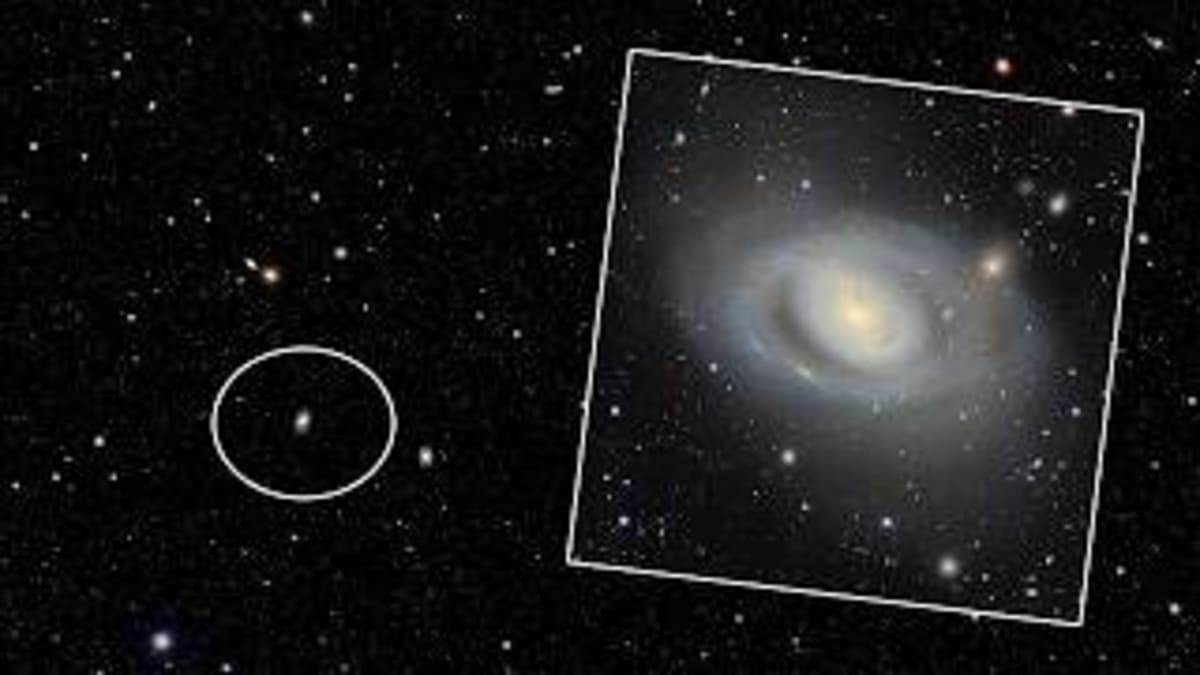
After 13 years and 263,407 photographs, scientists have mapped three-quarters of the night sky, capturing nearly four billion celestial objects. The massive project gives everyone free access to explore galaxies, stars, and black holes across 75 percent of the cosmos.
Imagine capturing four billion stars, galaxies, and black holes in a single photograph so detailed that it contains 5.6 trillion pixels.
Scientists working with two powerful telescopes have done exactly that, completing the largest two-dimensional map of the Universe ever created. The project took 13 years and required 263,407 separate photographs to finish.
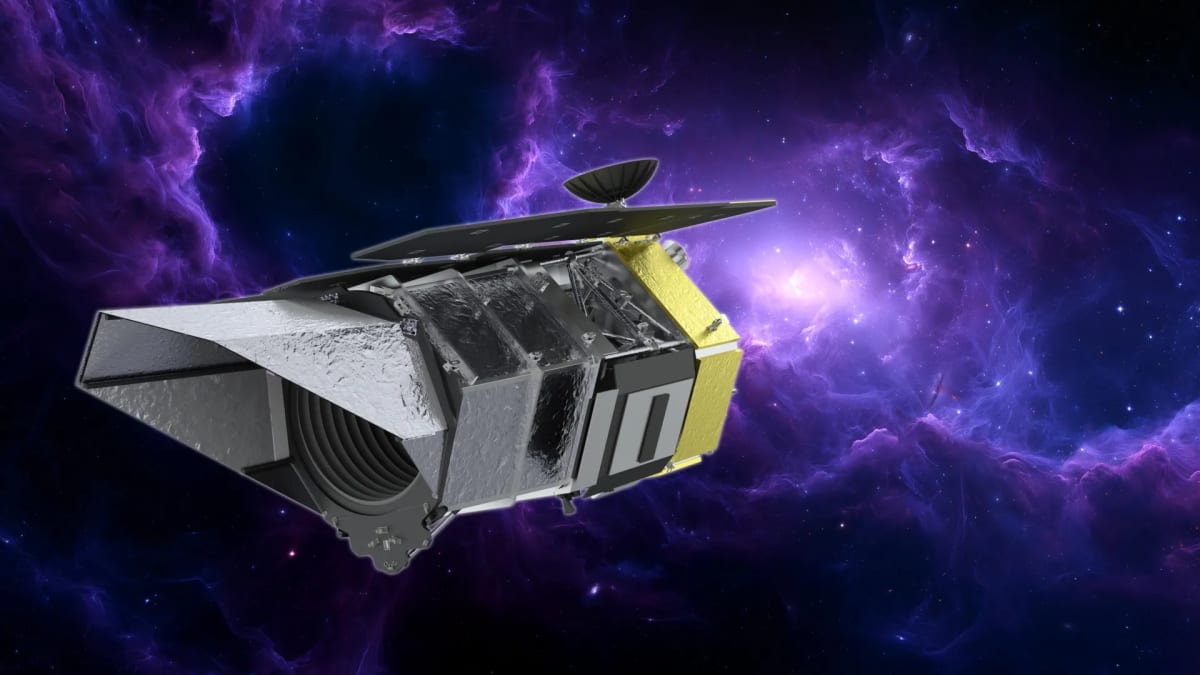
More than 160 scientists contributed to the DESI Legacy Imaging Surveys, using the Mayall telescope and the Blanco telescope's 570-megapixel Dark Energy Camera. Together, these instruments scanned 75 percent of the night sky, documenting everything from distant galaxies to nearby asteroids.
The map captures both visible and near-infrared light, which helps scientists see through cosmic dust to peer into the deepest reaches of space. Every image is now freely available online for anyone to explore through the Legacy Imaging Viewer.
"When you're working with astronomical objects today, you often start by pulling up the Legacy Imaging Viewer to see what you're looking at," says David Schlegel, co-lead of the Legacy Surveys and a scientist at Lawrence Berkeley National Laboratory. The catalog has already been referenced in over 1,800 scientific papers.
The Ripple Effect
This massive 2D map serves as the foundation for an even more ambitious project: building the largest high-resolution 3D map of the cosmos. Scientists are using these images to select targets for tracking Dark Energy, the mysterious force driving the Universe's expansion.
The Dark Energy Spectroscopic Instrument (DESI) survey has already mapped more than 47 million galaxies and quasars, finishing ahead of schedule this past April. Researchers are now analyzing those results to understand how the Universe has evolved over billions of years.
Future telescopes like the Vera C. Rubin Observatory will build on this work with even more powerful cameras. But this map will remain the most comprehensive view of our cosmic neighborhood for years to come.
"The skies belong to everyone, and this survey gives everyone the chance to marvel at their wonders," says NSF NOIRLab astronomer Arjun Dey.
Anyone can now explore the same images scientists use to study the cosmos, discovering galaxies and stars from their own computer.
Based on reporting by Google News - Science
This story was written by BrightWire based on verified news reports.
Spread the positivity!
Share this good news with someone who needs it