Ohio State AI Finds Rare Quasar Lenses in Deep Space
Graduate student Everett MacArthur and Ohio State astronomers used artificial intelligence to discover several ultra-rare quasar gravitational lenses, unlocking new ways to understand how galaxies and black holes form together. The breakthrough shows how AI can help scientists find cosmic treasures hidden in massive telescope data.
Astronomers at Ohio State University just found some of the universe's rarest objects using artificial intelligence, and the discovery could reshape how we understand galaxy formation.
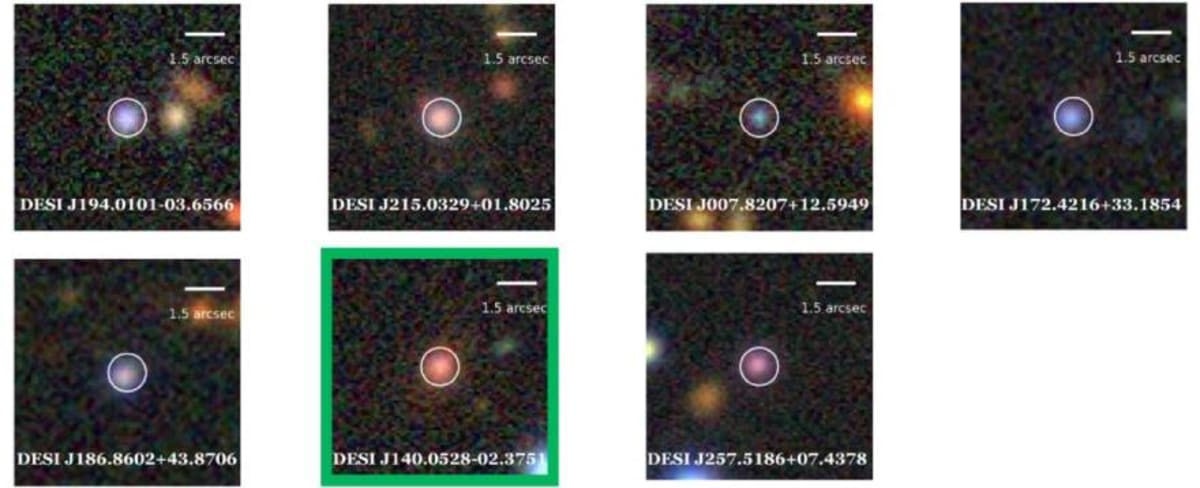
Graduate student Everett MacArthur and his team trained AI to scan telescope data for quasar gravitational lenses. These cosmic phenomena are so rare that finding even one is considered a major win.
Think of it like looking through a curved glass. When you hold a drinking glass up to distant objects, they appear warped and distorted. Quasars do the same thing to galaxies behind them, bending light in ways that reveal secrets about how the universe works.
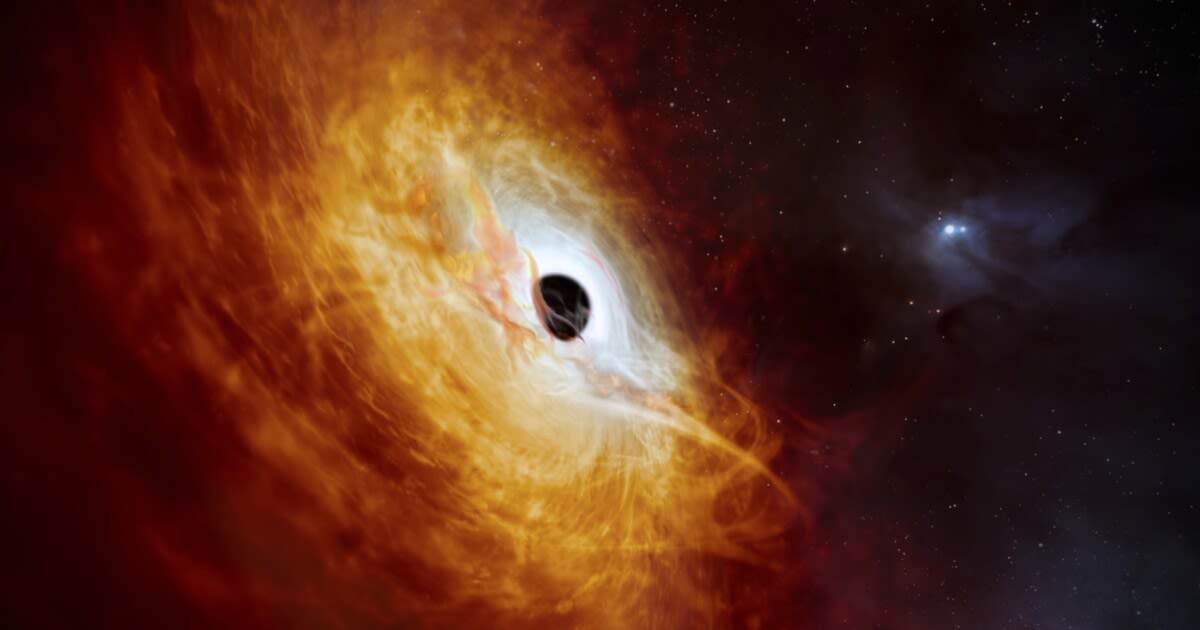
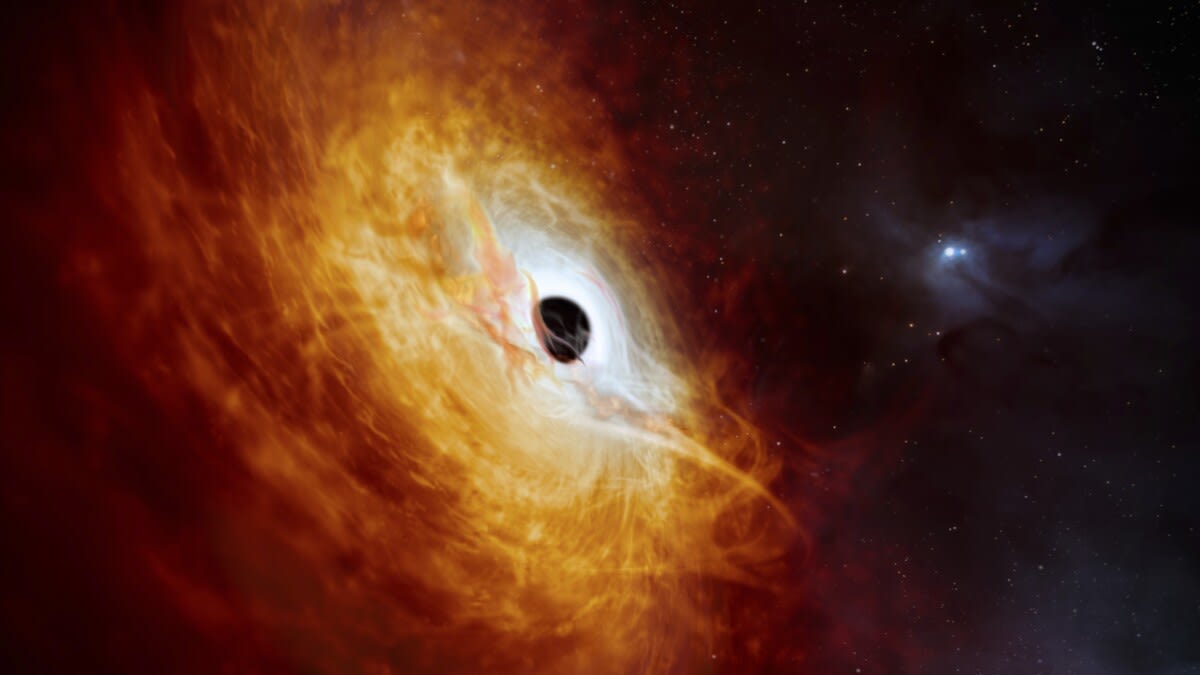
Quasars themselves are incredibly bright black holes in young galaxies, so luminous they outshine everything around them. MacArthur calls them "flashlights in the distant universe." When we look at quasars, we're actually looking backward in time to see how galaxies formed billions of years ago.
Finding quasars that also act as gravitational lenses is exceptionally rare. Other Ohio State researchers have found lensed galaxies and even planets through microlensing, but quasar lenses open unique windows into understanding how black holes and their host galaxies grow together.
The discovery tackles one of astronomy's biggest questions: how do supermassive black holes relate to the galaxies they live inside? These rare lenses let scientists directly observe and measure that relationship instead of just theorizing about it.
The Ripple Effect
MacArthur's success demonstrates something bigger than this single discovery. Modern telescopes generate massive amounts of data, so much that human astronomers couldn't possibly review it all manually. This project proves that AI can successfully hunt through mountains of information to find rare cosmic treasures that might otherwise stay hidden forever.
The machine learning methods developed for this search can now be adapted to find other rare phenomena across the universe. As telescopes get bigger and data sets grow even larger, these AI tools will become essential for making sense of what's out there.
For MacArthur, who plans to pursue academia and eventually become a professor, this discovery represents the future of astronomy. The field is entering an era where artificial intelligence and human curiosity work together to unlock the universe's deepest mysteries.
The graduate student's ultimate goal is to continue researching these strange phenomena and help other scientists collectively understand how our universe works. With tools like AI making the impossible possible, that future looks brighter than the quasars themselves.
More Images

Based on reporting by Google News - Scientists Discover
This story was written by BrightWire based on verified news reports.
Spread the positivity!
Share this good news with someone who needs it