MIT Finds Earliest Flickering Quasar From Cosmic Dawn
Astronomers detected a quasar flickering from just 850 million years after the Big Bang, revealing surprisingly mature black holes existed far earlier than expected. The discovery opens new questions about how the universe's most powerful engines shaped the earliest galaxies.
Scientists just caught a glimpse of one of the universe's brightest objects from when the cosmos was barely a toddler, and it's rewriting what we know about how galaxies grow up.
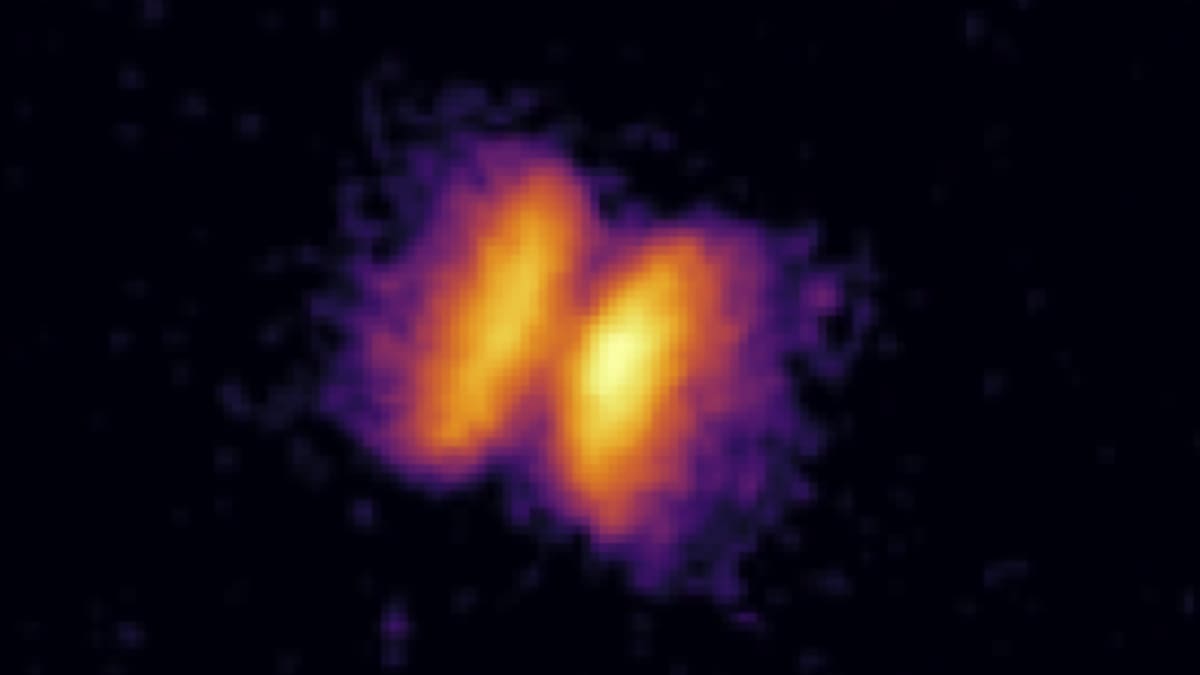
Astronomers at MIT detected a quasar flickering from the cosmic dawn, just 850 million years after the Big Bang. This marks the earliest flickering quasar ever observed, giving researchers their first real look at how supermassive black holes behaved in the universe's infancy.
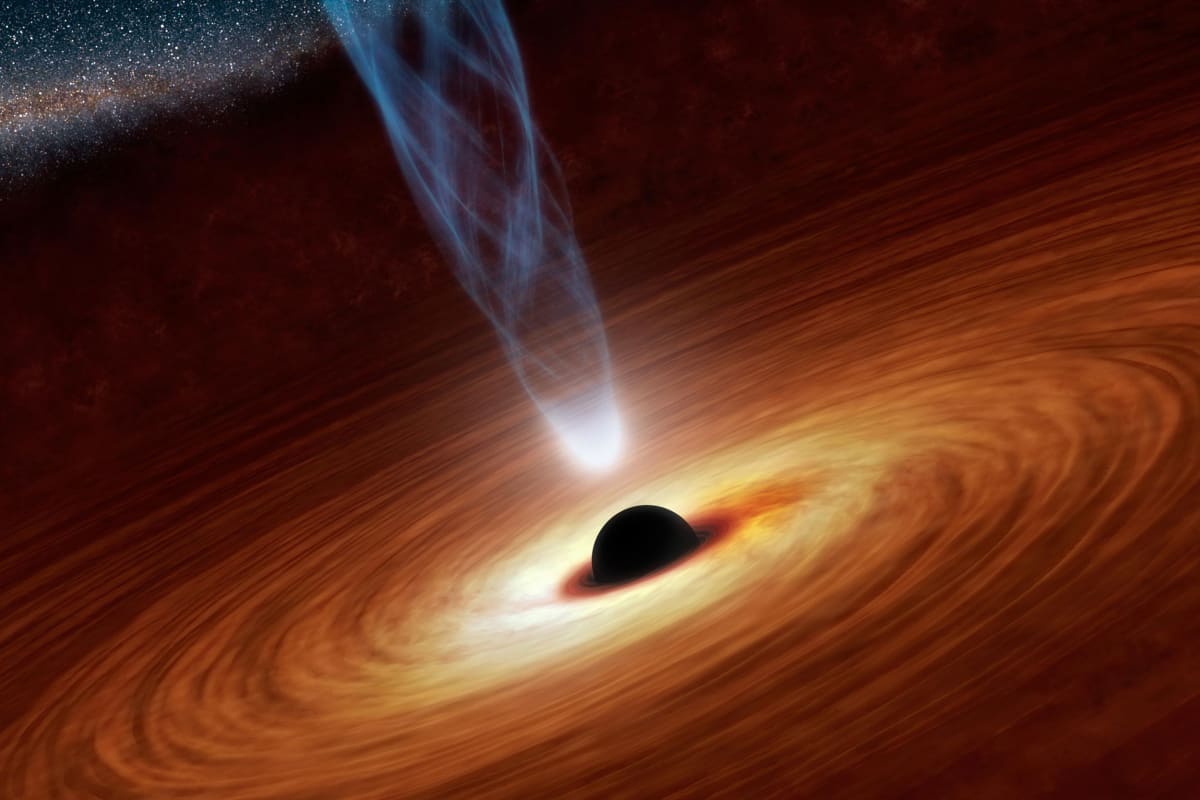
Quasars are the universe's brightest objects, powered by supermassive black holes that devour enormous amounts of gas and dust. As material spirals into these cosmic giants, it lights up so intensely that a single quasar can outshine an entire galaxy of billions of stars.
Scientists have found over 200 quasars from the early universe, but they appeared as mere pinpricks of light. This discovery changed everything because the quasar's flicker revealed details about its structure that were previously invisible.
"Although there have been a lot of quasars found in the cosmic dawn, this is the first time we actually see one flickering," says Gene Leung, a postdoc at MIT's Kavli Institute. The flickering comes from fluctuations in how gas feeds into the black hole, like watching the pattern of bites a hungry giant takes.
The team made their discovery using careful observations that accounted for how the expanding universe stretches light across billions of years. What naturally flickers over weeks appears to flicker over months when seen from such vast distances.
Why This Inspires
The surprise wasn't just finding the quasar. The flickering revealed that this ancient black hole had a flat, pancake-shaped disk of swirling material, just like modern quasars possess today.
Scientists expected early black holes to be messy and chaotic, still figuring themselves out. Instead, this one was already calm, stable, and surprisingly mature when the universe was only six percent of its current age.
"I think what this suggests is that all the messy, very rapid growth phases happen very, very early on, before we see them as these very bright luminous quasars," says Anna-Christina Eilers, assistant professor of physics at MIT. The picture emerging shows that black holes grew up faster than anyone imagined.
This matters because supermassive black holes aren't just cosmic curiosities. They're the central engines that regulate how galaxies form stars and evolve over billions of years.
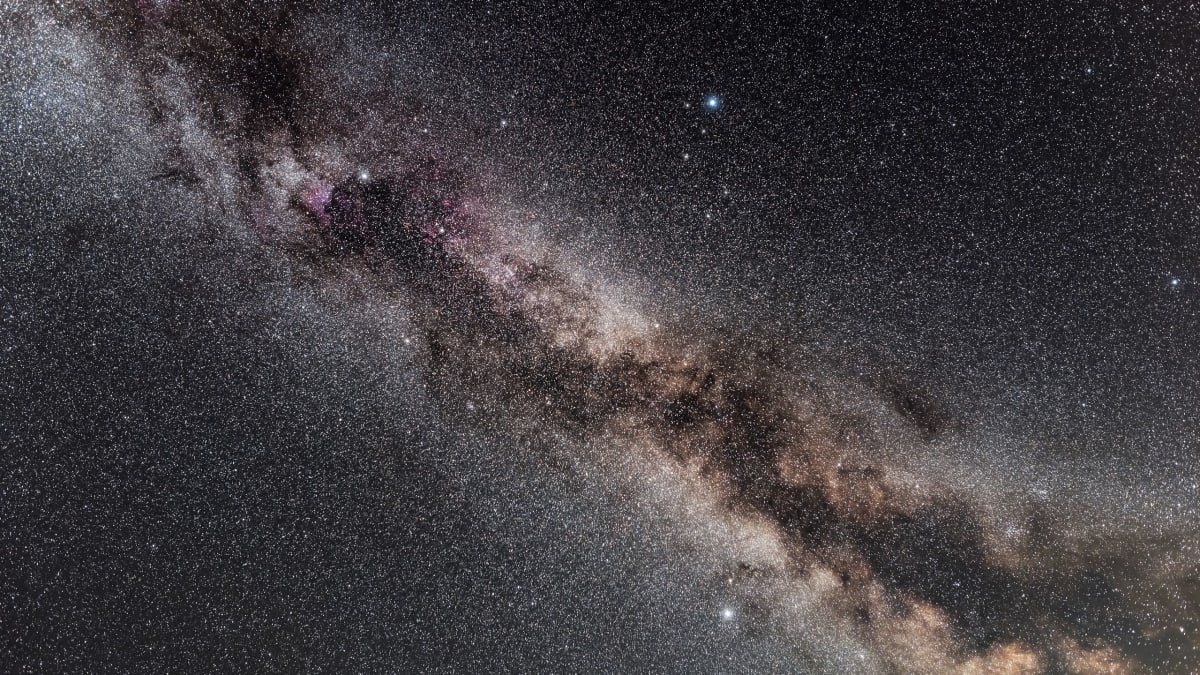
"Without supermassive black holes, no galaxy would look the way it does today," Eilers explains. These gravitational giants helped shape every galactic ecosystem in the universe, including our own Milky Way.
The discovery deepens one of cosmology's biggest mysteries: how did supermassive black holes billions of times more massive than our sun appear so early in cosmic history? The findings suggest the universe's first black holes had a very brief childhood indeed, maturing in the cosmic equivalent of a blink.
Scientists can now study how these ancient engines helped build the first galaxies, bringing us closer to understanding our cosmic origins.
Based on reporting by MIT News
This story was written by BrightWire based on verified news reports.
Spread the positivity!
Share this good news with someone who needs it