MIT Robots Train in AI Homes to Master Real-World Tasks
Robots are learning household chores inside AI-generated virtual homes before stepping into real spaces. The breakthrough could finally help machines master everyday tasks without breaking your dishes.
Teaching a robot to place a coffee mug in a cabinet sounds simple, but it's one of the toughest challenges in robotics today. Every step we take for granted becomes a complex puzzle for a machine navigating a cluttered kitchen.
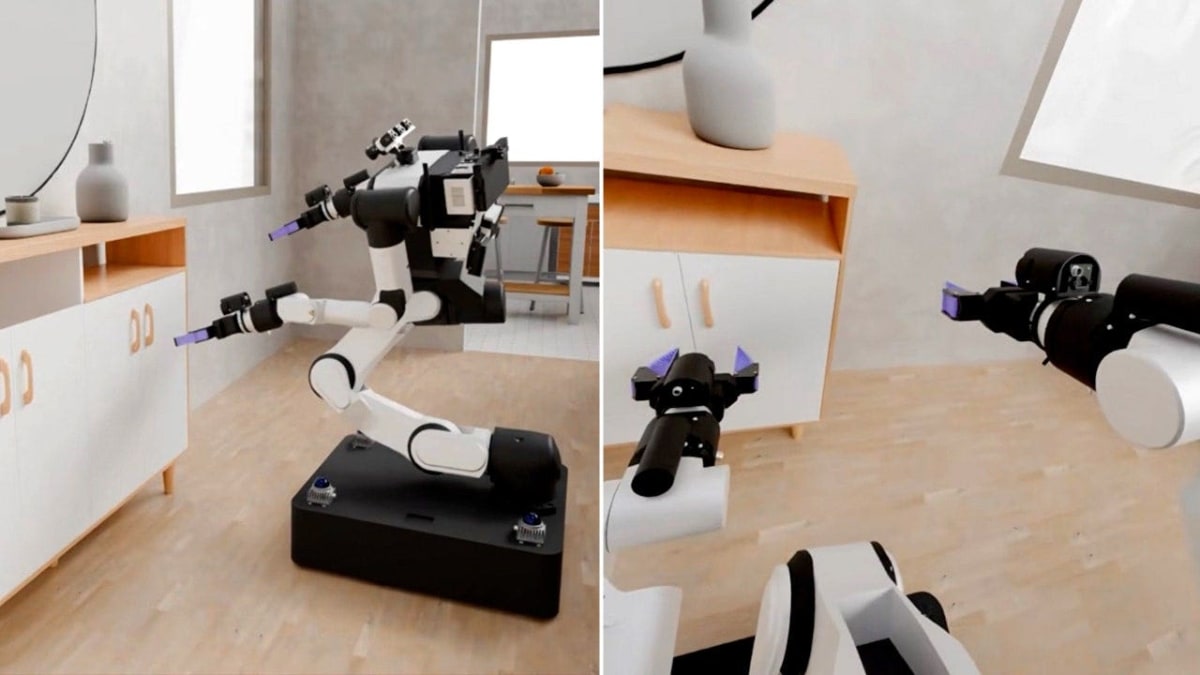
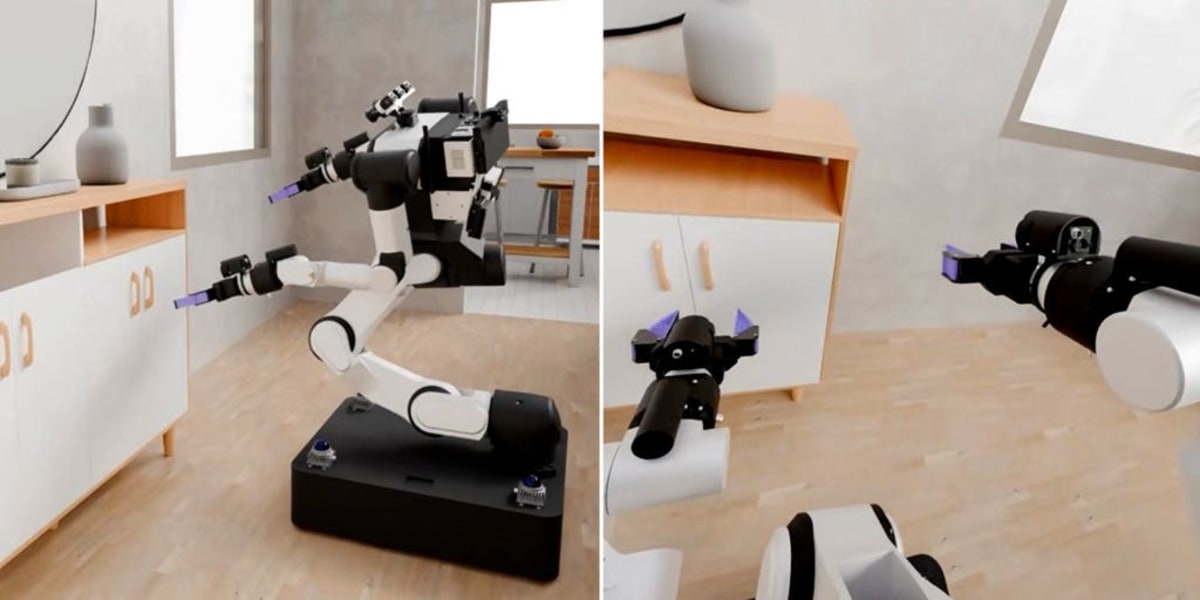
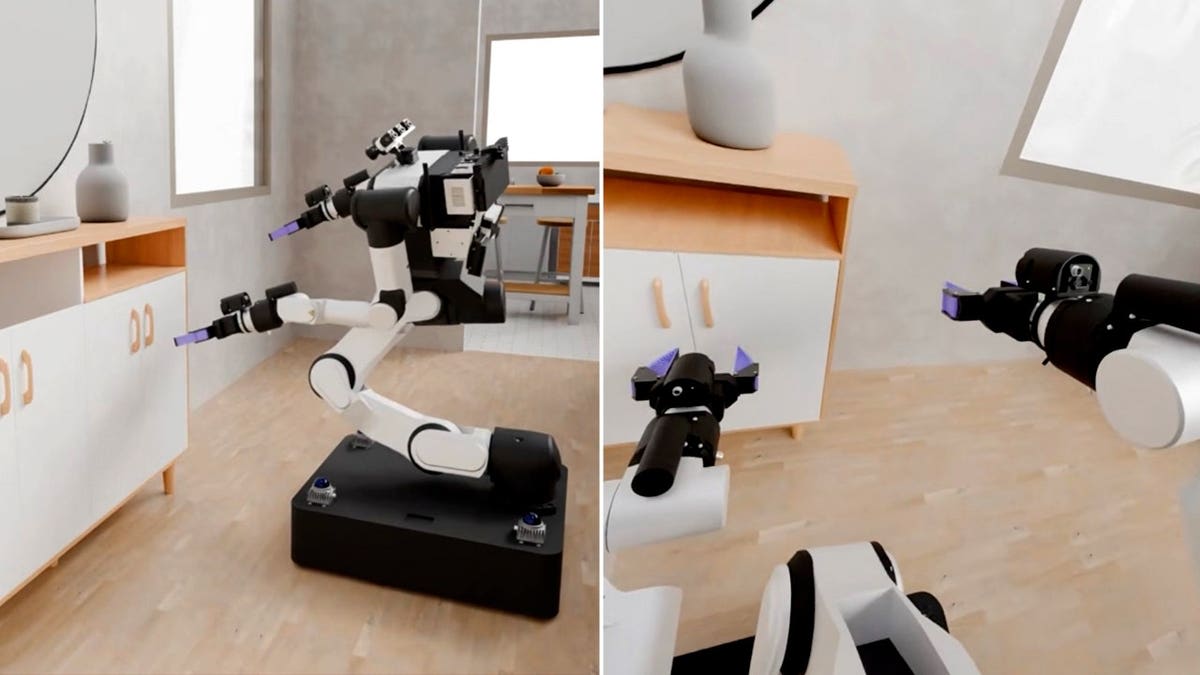
Researchers at MIT and Toyota Research Institute created SceneSmith, a system that builds detailed 3D virtual homes where robots can practice and fail safely. Instead of spending months in real rooms where mistakes mean broken equipment or injured people, robots now train in AI-generated spaces that feel remarkably close to actual homes.
The system works through a simple text prompt. A researcher types "garage with workbench, tires in corner, ladder against wall," and three AI agents get to work building the space layer by layer.
One agent designs the room. Another critiques the realism, catching odd choices like bathtubs in living rooms. A third orchestrator manages the process and decides when the virtual space is ready for robot training.
SceneSmith doesn't just create pretty scenery. It builds functional environments where cabinet doors actually open, objects have realistic weight, and gravity works like it does in your kitchen. The system achieved 96% stability for objects during testing, with fewer than 2% of items overlapping or floating unrealistically.
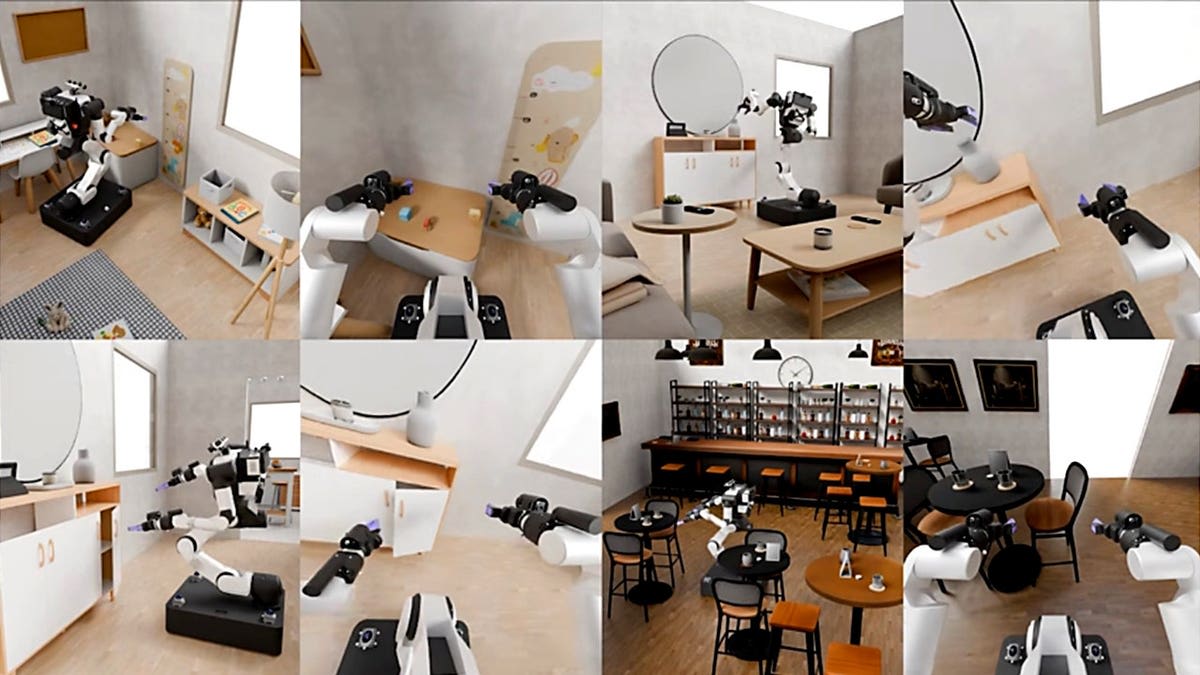
The MIT team generated over 1,300 practice spaces, from tidy bedrooms to cluttered specialty rooms like pottery stores and gaming lounges. Some scenes packed in six times more objects than earlier training systems, giving robots the messy, unpredictable environments they'll face in real homes.
Robots practiced moving soda cans from shelves to tables and placing cups in sinks. Each virtual repetition taught them to navigate around chairs, avoid counter clutter, and choose the right cabinet without human supervision for every attempt.
Why This Inspires
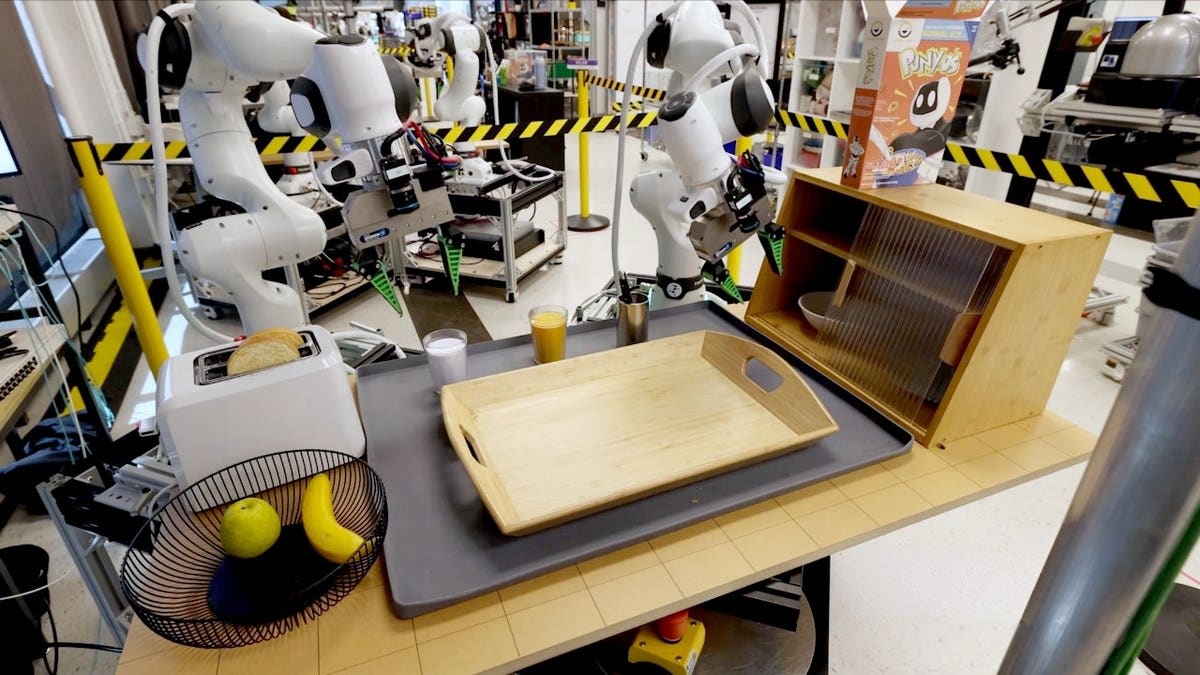
This breakthrough addresses the biggest bottleneck in robotics: getting enough practice without the risk. Physical testing requires constant human supervision, careful resets between attempts, and acceptance that failures might damage expensive equipment.
Virtual training lets robots make thousands of mistakes in hours instead of months. They learn to handle the unexpected clutter and varied layouts that make real homes so challenging, all while engineers sleep.
The approach means helpful robots for elderly care, disability assistance, and everyday household tasks might arrive years sooner than expected. Machines that once seemed perpetually stuck in the lab are getting the practice hours they need to actually help people.
Soon, the robot carefully placing your favorite mug in the cabinet will have already practiced that exact movement thousands of times in a virtual version of your kitchen.
More Images
Based on reporting by Fox News Tech
This story was written by BrightWire based on verified news reports.
Spread the positivity!
Share this good news with someone who needs it