World's Largest Camera Begins 10-Year Sky Survey in Chile
The biggest digital camera ever built just started capturing the southern sky in unprecedented detail. Scientists will use the Vera C. Rubin Observatory to map billions of stars and galaxies over the next decade.
The universe just got a whole lot closer to revealing its deepest secrets.
The Vera C. Rubin Observatory in Chile has officially begun its cosmic survey, using the largest digital camera ever built to photograph the southern sky. For the next 10 years, this technological marvel will capture hundreds of images every night, peering into corners of space we've never seen before.
The camera doesn't just take pretty pictures. It works fast enough to photograph the same areas of sky multiple times, revealing faint objects that previous telescopes missed entirely.
Scientists are celebrating what this means for our understanding of the cosmos. They'll be able to map billions of stars in our own Milky Way galaxy, plus billions more galaxies stretching across the universe.
"We're going to see large numbers of scientists across the world working with this data set, studying the universe in a way that they haven't been able to before," says Phil Marshall, the observatory's deputy director of operations. Researchers from every corner of Earth will have access to these unprecedented observations.
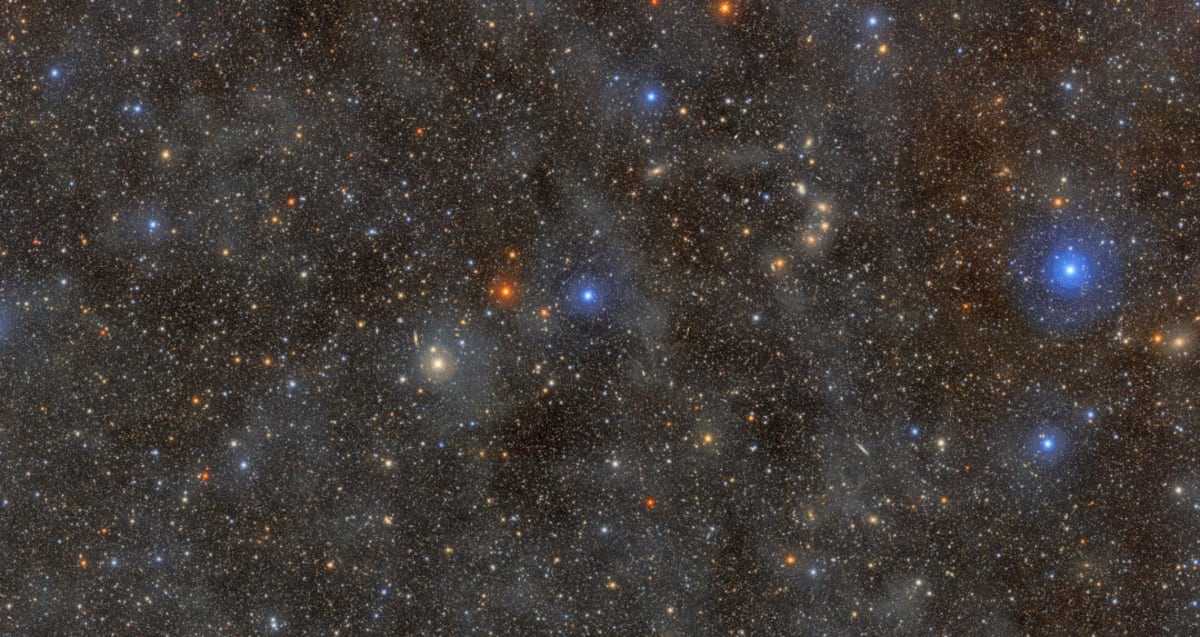
The observatory already released its first stunning images last year. Colorful shots of the Trifid and Lagoon nebulas, located thousands of light-years away, gave us a preview of what's coming.
Since then, the team has been fine-tuning the equipment to meet the exacting standards needed for a decade-long survey. Now everything is ready to capture images at the depth and accuracy scientists need.
The Ripple Effect
This project represents more than just better space photos. The observations will help researchers understand how galaxies formed and clustered together over billions of years, painting a clearer picture of how our universe came to exist.
The observatory carries the name of astronomer Vera Rubin, who first discovered evidence of dark matter lurking in space. Her legacy continues as today's scientists use this cutting-edge technology to hunt for clues about both dark matter and its equally mysterious cousin, dark energy.
Funded by the US National Science Foundation and US Department of Energy, the project brings together the best minds in astronomy. The data they collect will fuel discoveries for generations, as scientists find new patterns and phenomena hidden in the images.
Every night in Chile, this remarkable camera will open its eye to the cosmos and bring us closer to answering humanity's oldest questions about our place in the universe.
Based on reporting by Google News - Science
This story was written by BrightWire based on verified news reports.
Spread the positivity!
Share this good news with someone who needs it