Scientists Create Artificial Shield Against Solar Storms
Researchers have developed a groundbreaking system using orbiting spacecraft to reduce solar storm damage by over 50%. The technology could protect satellites, power grids, and astronauts from dangerous solar eruptions.
Earth might soon have its own artificial force field protecting us from solar storms, thanks to a breakthrough from scientists at Advancing Earth and Space Sciences.
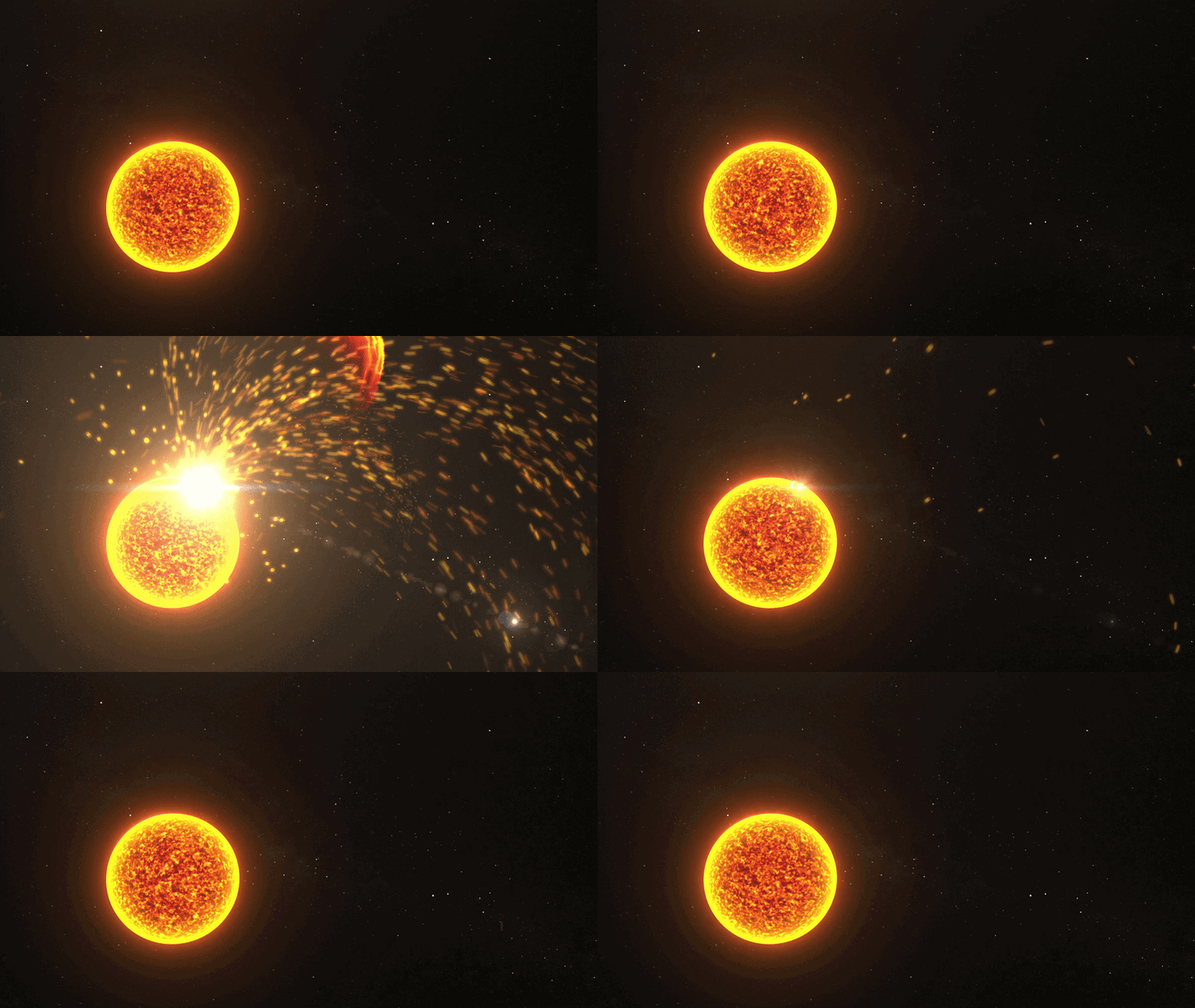
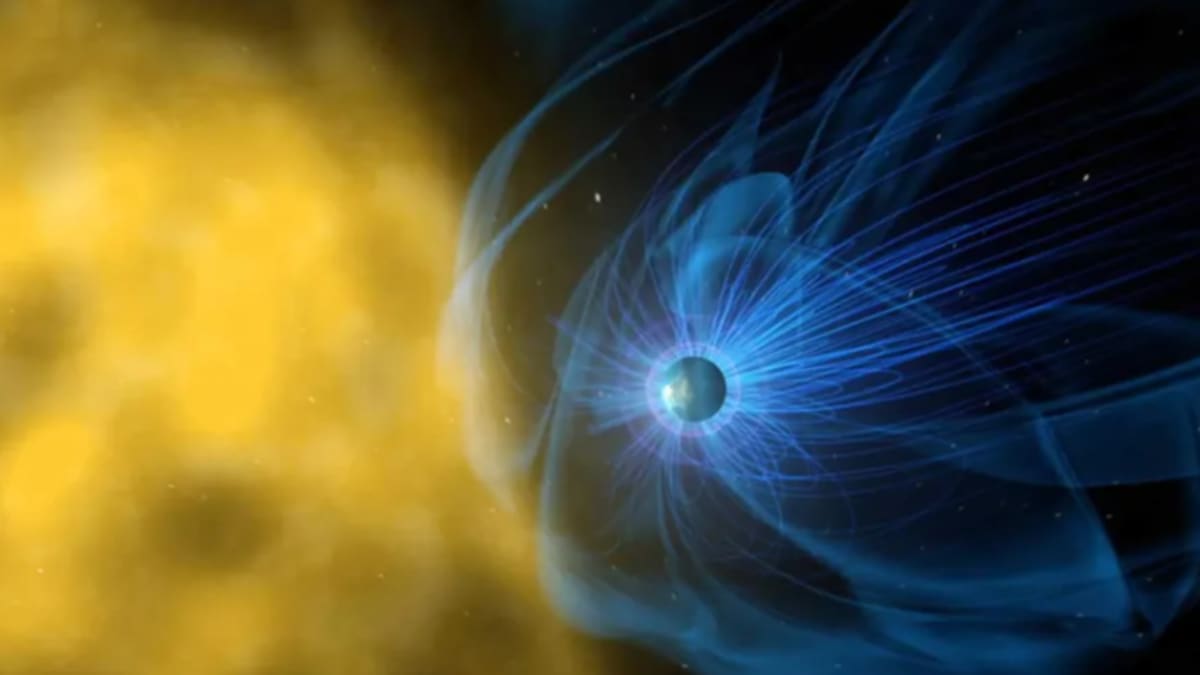
The new system works like a planetary umbrella. A network of spacecraft would orbit Earth, each carrying special materials that can be released when the sun throws a tantrum. When solar storms threaten our planet, these materials create an artificial plasma shield in Earth's magnetosphere, the invisible bubble that already protects us from space radiation.
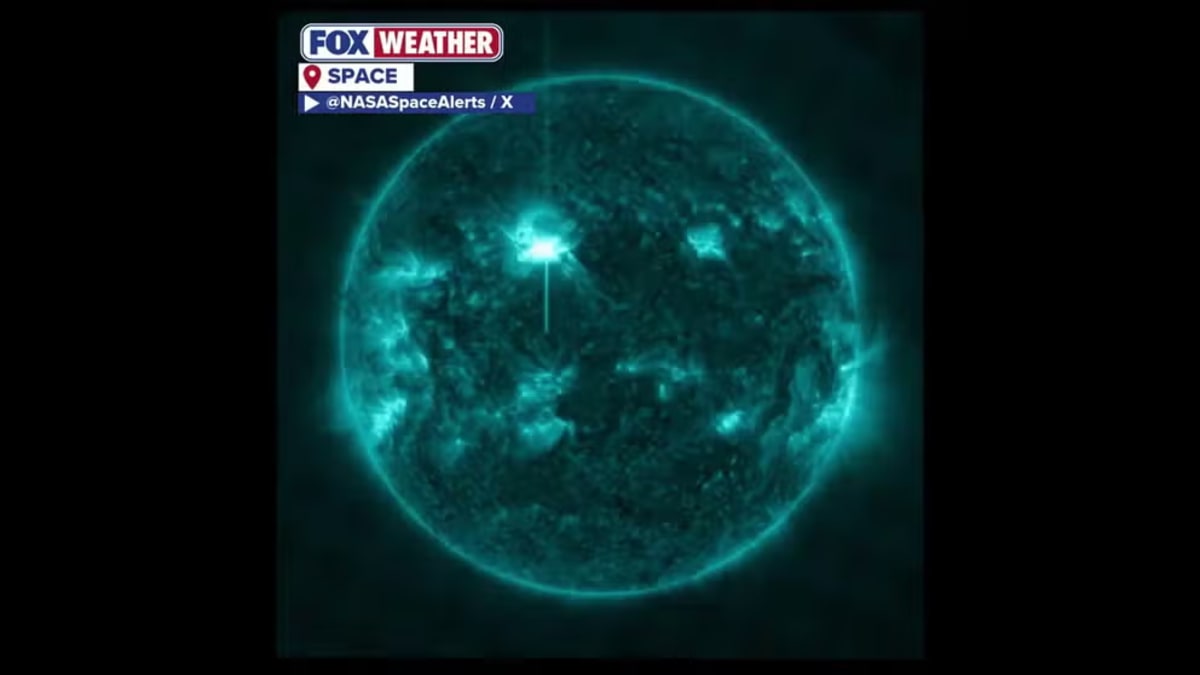
Solar storms happen when the sun's magnetic fields get tangled and release massive bursts of energy. These geomagnetic storms can knock out power grids, disrupt GPS systems, damage satellites, and put astronauts at risk. The potential for widespread blackouts and communication failures has scientists racing to find better protection methods.
Here's the clever part: once released, the mass-loading material rapidly turns into plasma that acts as a buffer zone. This artificial shield can reduce the impact of even extreme solar events by 50% or more. Think of it like adding extra padding before a punch lands.
The spacecraft and their protective materials could be launched and stored in orbit for years, waiting on standby until needed. When space weather forecasters detect an incoming storm, the system activates in real time. No waiting, no scrambling, just immediate protection for the technology we rely on every day.
The Ripple Effect
This isn't just about keeping the lights on during solar storms. The technology opens doors for safer space exploration and more reliable satellite networks that billions of people depend on for communication, navigation, and weather forecasting.
As humanity pushes deeper into space with plans for Mars missions and lunar bases, having reliable storm protection becomes essential. Astronauts on long voyages need every advantage against solar radiation. Satellites costing billions of dollars need safeguarding from celestial fireworks.
The researchers say the technology is feasible with current capabilities. Further testing and simulations will refine the system, but the basic science works. We're not talking about distant future tech anymore. This could become reality within years, not decades.
For a planet increasingly dependent on electronic systems and space-based infrastructure, this artificial shield represents a major leap forward in planetary defense. We're learning to protect ourselves not with physical walls, but with clouds of plasma and smart engineering.
The next solar maximum is coming, and for the first time, we might be ready to meet it head-on.
More Images


Based on reporting by Google News - Scientists Discover
This story was written by BrightWire based on verified news reports.
Spread the positivity!
Share this good news with someone who needs it