Australian Machine Harvests 1,000 Liters Daily From Air
A solar-powered shipping container in Australia is turning thin air into drinking water, producing 1,000 liters daily even in low humidity areas. The innovation could bring clean water to remote communities without trucking in plastic bottles.
Imagine pulling enough drinking water from the sky to fill five bathtubs every single day, even in the driest parts of the continent.
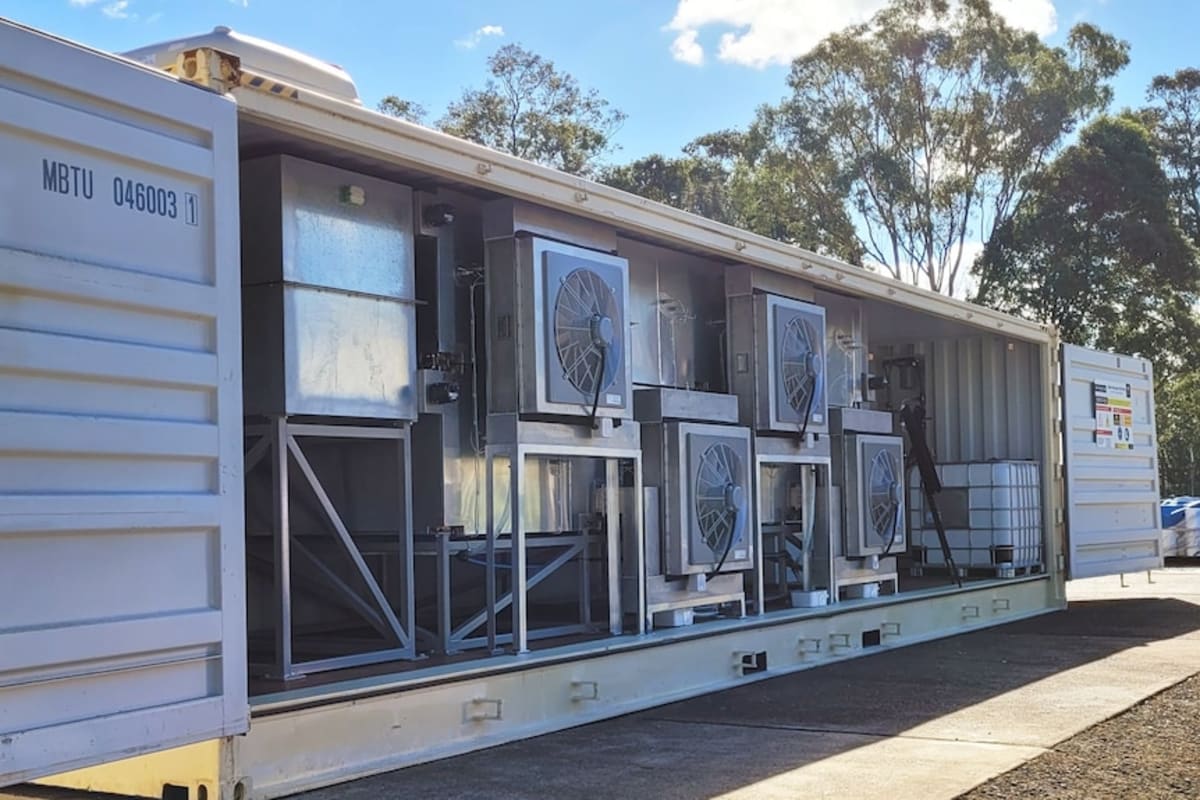
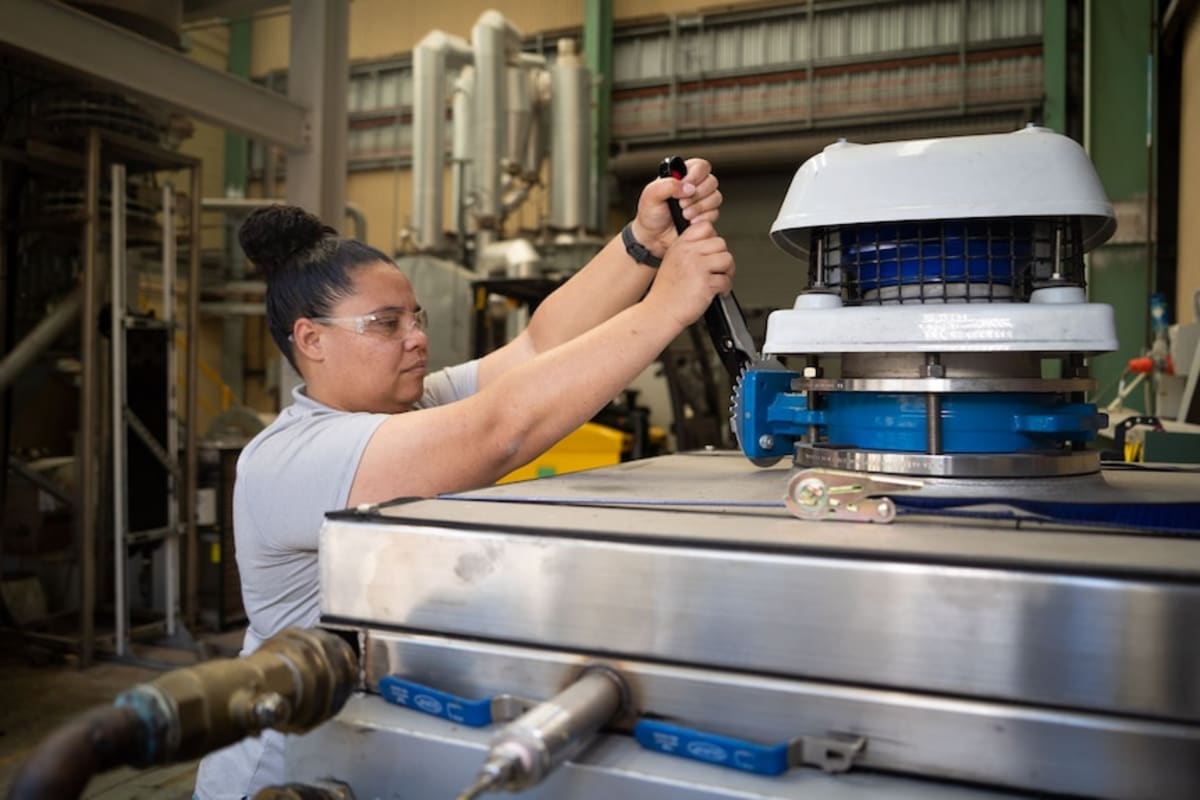
That's exactly what researchers at the University of Newcastle have achieved with their "Hydro Harvester," a solar-powered unit that captures moisture from the air and transforms it into clean, drinkable water. The machine sits inside a 40-foot shipping container and produces 1,000 liters of water per day without needing rivers, wells, or rain.
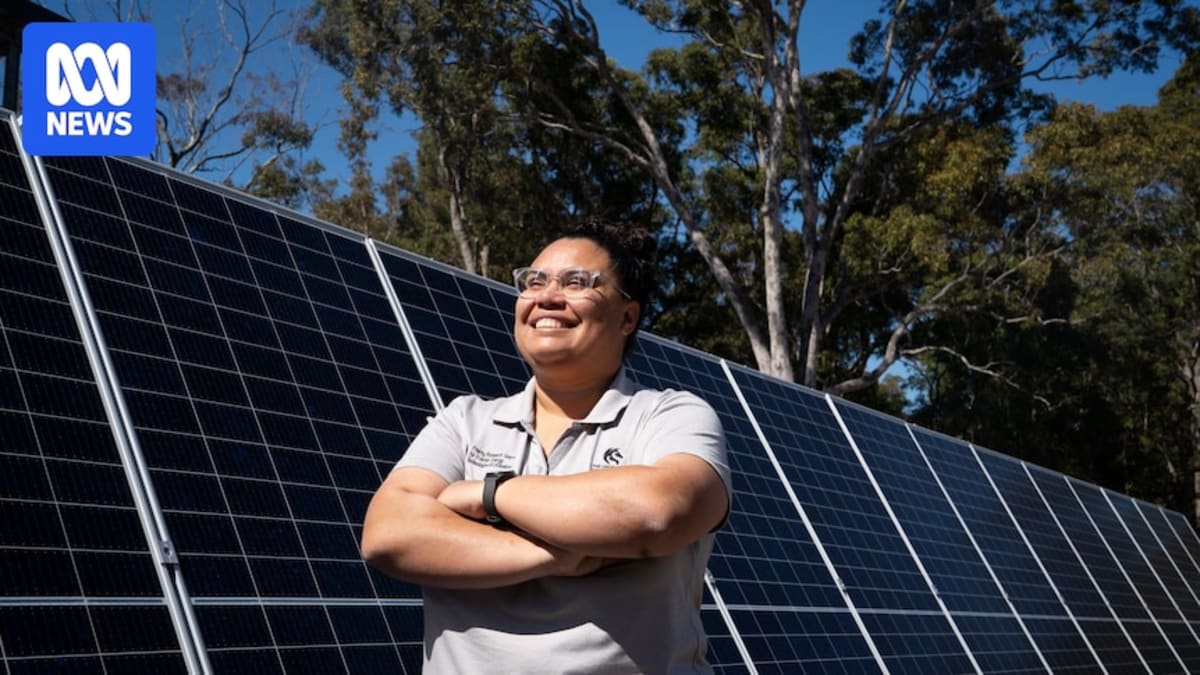
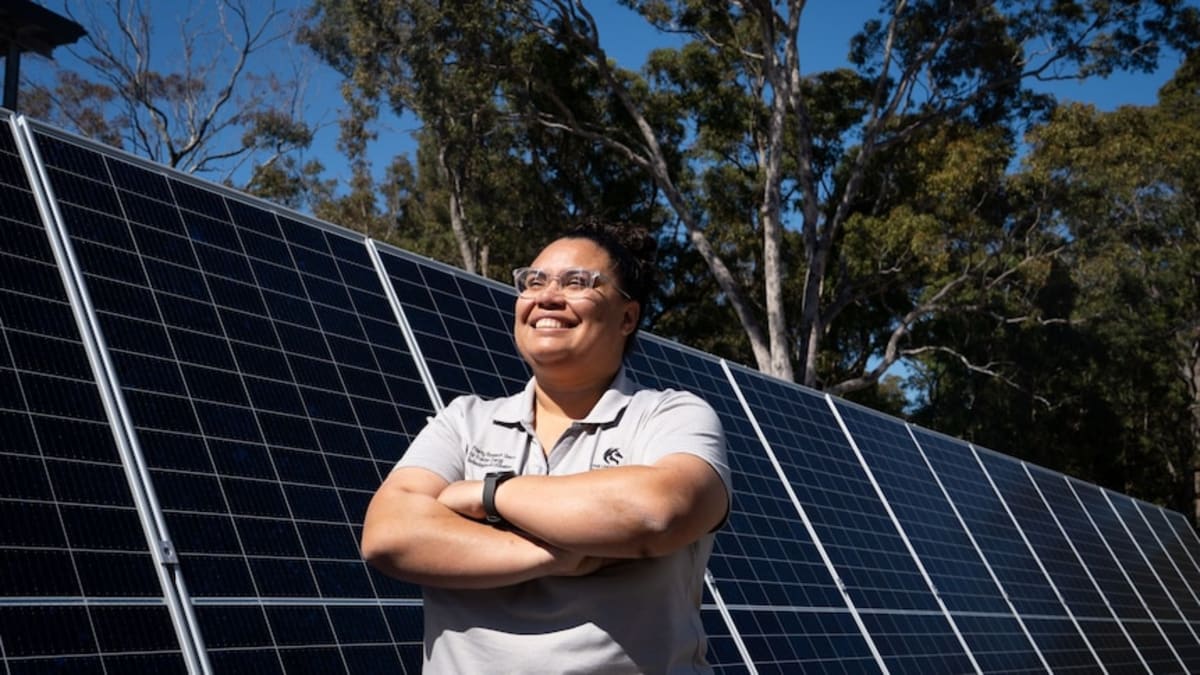
Next year, the technology gets its first real-world test in Western Australia's Wheatbelt, where it will water native tree seedlings and help restore dry land. Lead researcher Dr. Priscilla Tremain calls atmospheric water an "untapped resource" that could change how remote Australian communities access clean drinking water.
The technology works differently than other water generators. Instead of cooling air to extract moisture, the Hydro Harvester uses tiny particles that act like sponges, soaking up water molecules even when humidity is low. The captured water comes out distilled and can be mineralized for drinking or used directly for agriculture.
For communities currently trucking in bottled water, the implications are huge. "There are a lot of locations in Australia that don't have access to safe, clean drinking water," Dr. Tremain said. A single unit could eliminate plastic waste from water deliveries while producing fresh water at a constant, predictable cost.
The researchers are already planning the next version, which would scale up production to 10,000 liters daily. That's enough water to make livestock farming possible in areas where it's currently impossible due to water scarcity.
The Ripple Effect
The technology could reshape water access across arid regions worldwide. With 12.9 trillion tons of water naturally existing in the atmosphere at any moment (enough to fill Sydney Harbour 26,000 times), there's no shortage of supply. Dr. Tremain explains that harvesting atmospheric water won't impact weather systems because the amount captured is "basically a drop in the ocean."
As water regulations tighten and traditional sources become scarcer, atmospheric harvesting offers a lifeline. The university received $1.9 million in federal funding to develop the technology, with costs expected to drop significantly once commercial production begins.
If the Beverley trial succeeds, units could deploy across Australia's remote regions, bringing fresh water to places that have never had reliable access. What was once impossible is becoming routine.
Clean water from thin air isn't science fiction anymore.
More Images
Based on reporting by ABC Australia
This story was written by BrightWire based on verified news reports.
Spread the positivity!
Share this good news with someone who needs it