Thailand's New 50-Foot-Necked Dinosaur Redraws Ancient Map
A single Y-shaped bone in Thailand just revealed a whole new species of long-necked dinosaur and proved these giants roamed much farther than scientists ever imagined. The discovery is rewriting what we know about how these incredible creatures spread across the ancient world.
Scientists just discovered a new dinosaur species from a single bone, and it's changing what we thought we knew about where these long-necked giants once lived.
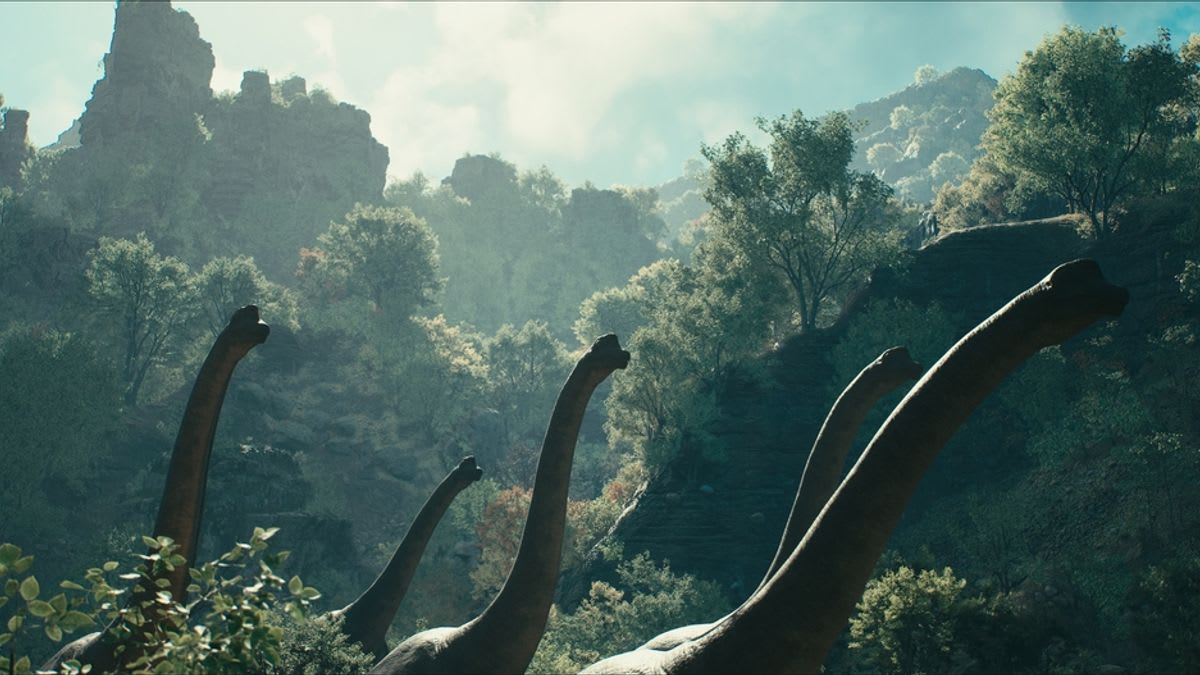
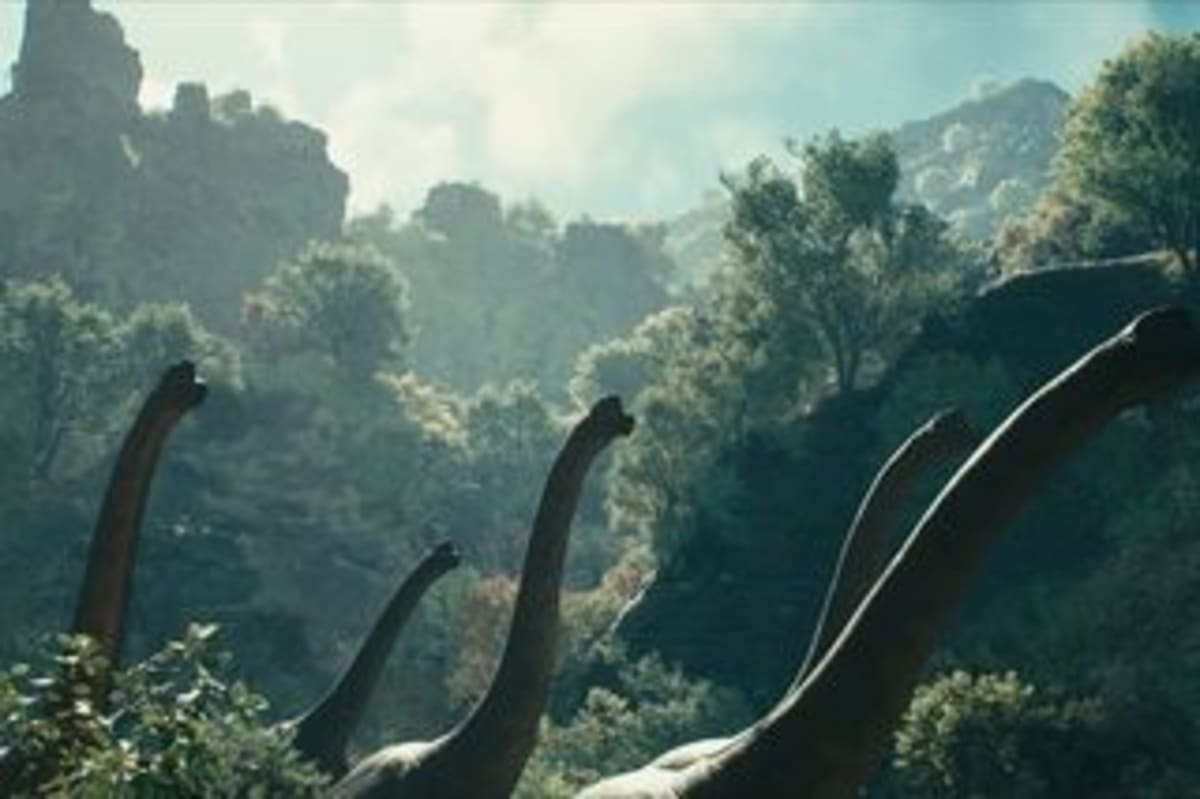
Uragasaurus kalasinensis, a sauropod with an estimated neck stretching over 50 feet long, roamed northeastern Thailand during the Late Jurassic period. The species belongs to the Mamenchisauridae family, dinosaurs previously found almost exclusively in China's Sichuan Basin.
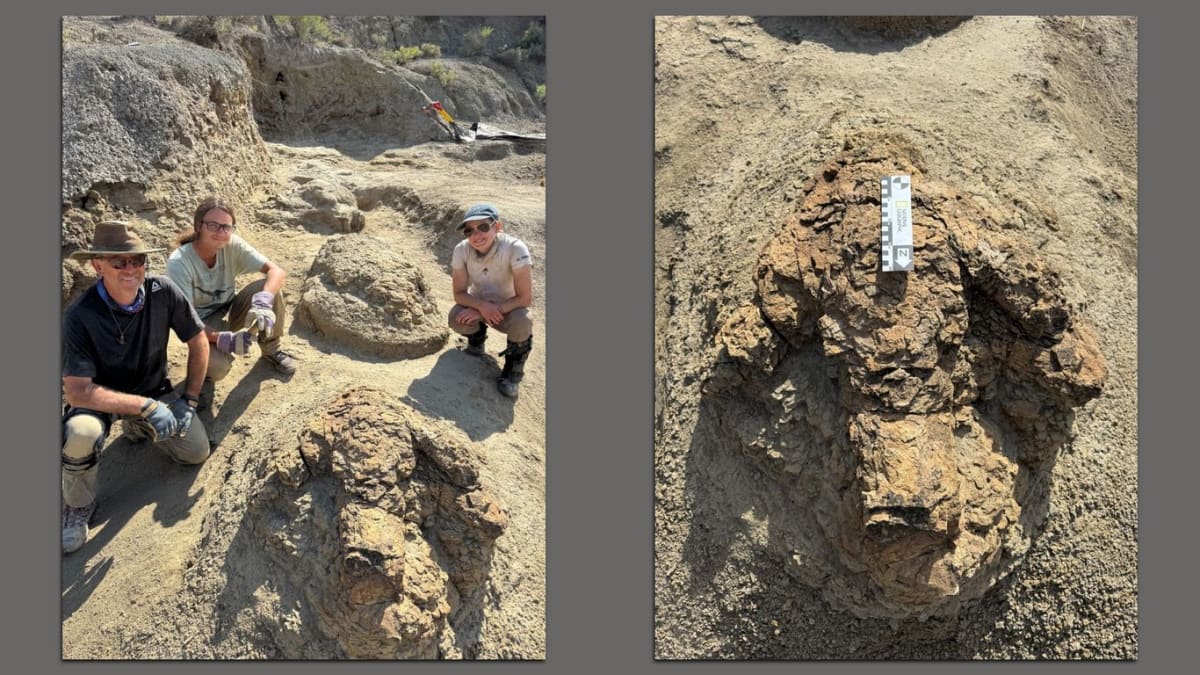
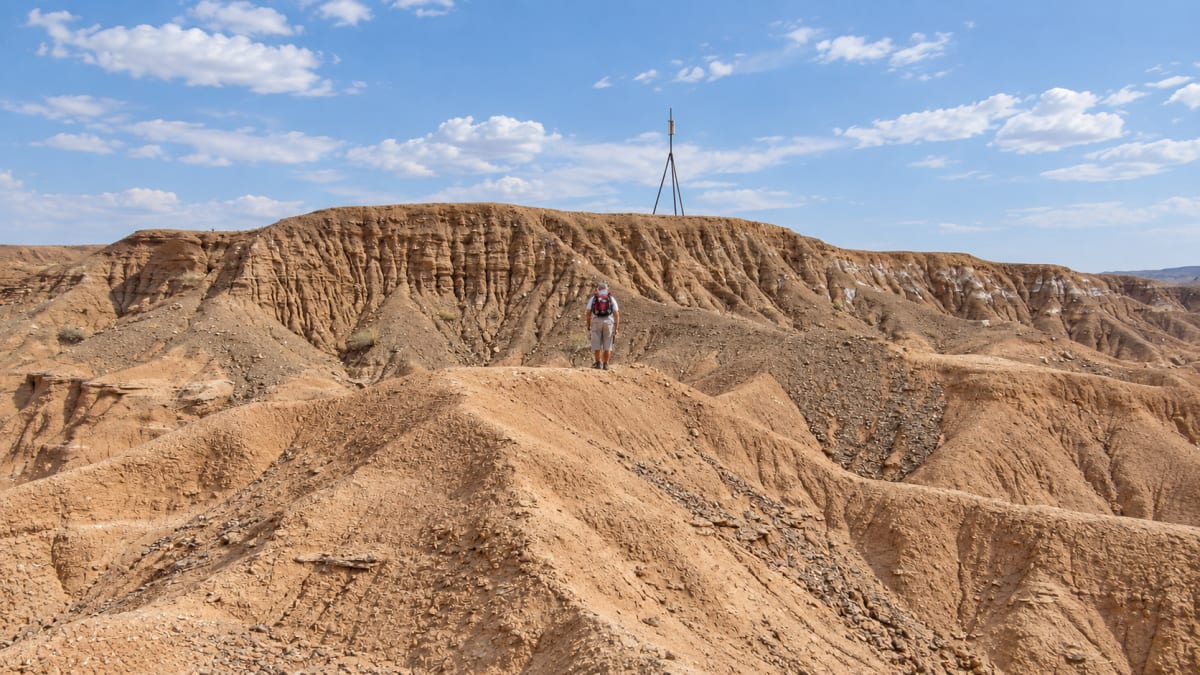
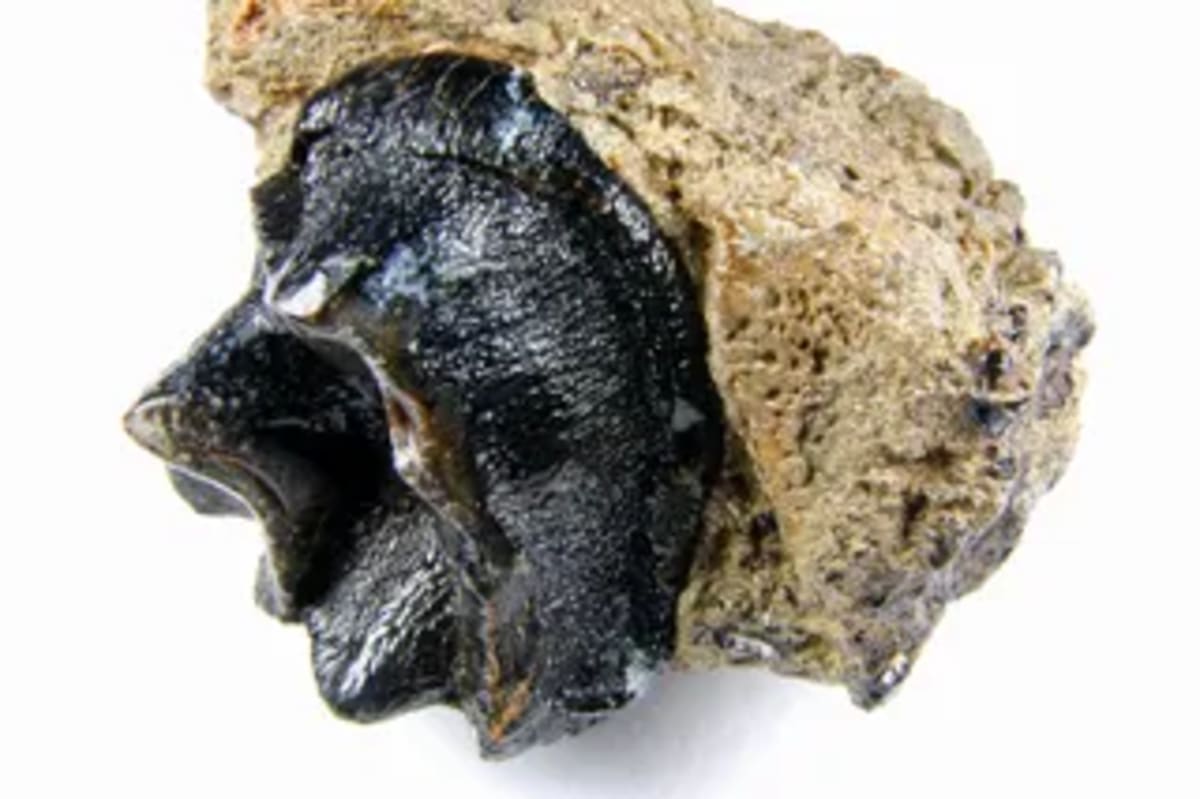
Paleontologists discovered one vertebra from the middle section of the Phu Kradung rock formation in Kalasin province. That single bone turned out to be all they needed to identify an entirely new species and expand our understanding of where these dinosaurs lived.
The vertebra itself is a marvel of natural engineering. CT scans revealed it has a unique Y-shape never seen in other species, plus small hollow chambers throughout the bone that would have dramatically reduced its weight.
These air-filled chambers, similar to those in modern birds, solved one of evolution's trickiest puzzles: how to support a neck longer than a school bus. The hollow structure meant less weight to carry and less mechanical stress on the neck, allowing sauropods to grow necks that dwarfed every other creature in history.
For comparison, the longest theropod necks reached only 8 feet. Some pterosaurs managed 9 feet. But the largest sauropods achieved necks over 50 feet long, a record that still stands in natural history.
The discovery site also contained remains of shark-like fish, turtles, crocodyliforms, and several other dinosaurs, painting a picture of a thriving ecosystem 150 million years ago.
Why This Inspires
This discovery proves that a single bone can unlock secrets hidden for 150 million years. Before this find, scientists believed mamenchisaurids rarely ventured beyond China, but fossils recently found in Tanzania and now Thailand show these dinosaurs traveled across continents we can barely imagine.
Every new fossil changes the story we tell about life on Earth. Uragasaurus kalasinensis reminds us that the ground beneath our feet still holds countless mysteries waiting to be discovered, and that patient scientific work continues revealing wonders we never knew existed.
The transition from Late Jurassic to Early Cretaceous just got more interesting, and somewhere in Thailand's rocks, more secrets are waiting.
More Images


Based on reporting by Google: fossil discovery
This story was written by BrightWire based on verified news reports.
Spread the positivity!
Share this good news with someone who needs it