UT Austin Discovers Fuzzy Desk-Sized Dinosaur in Korea
Researchers from UT Austin helped identify a new dinosaur species in Korea for the first time in 15 years. The possibly fuzzy baby dinosaur, small enough to fit on a desk, lived 100 million years ago.
A baby dinosaur that died 100 million years ago just became Korea's first newly identified dinosaur species in 15 years, thanks to researchers at the University of Texas at Austin.
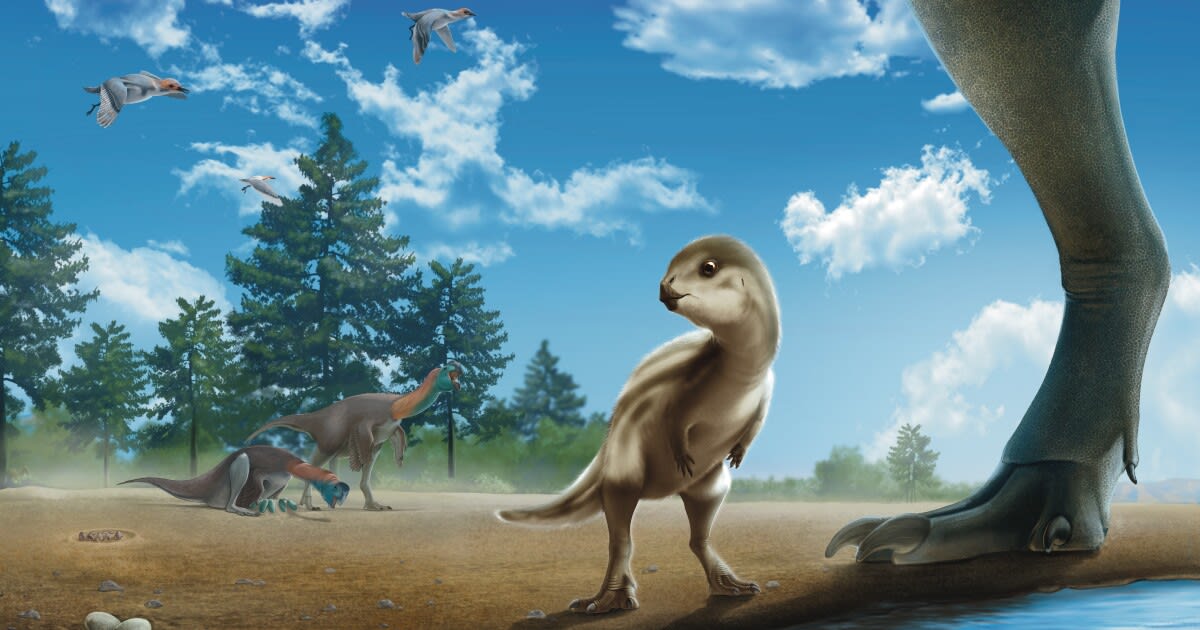
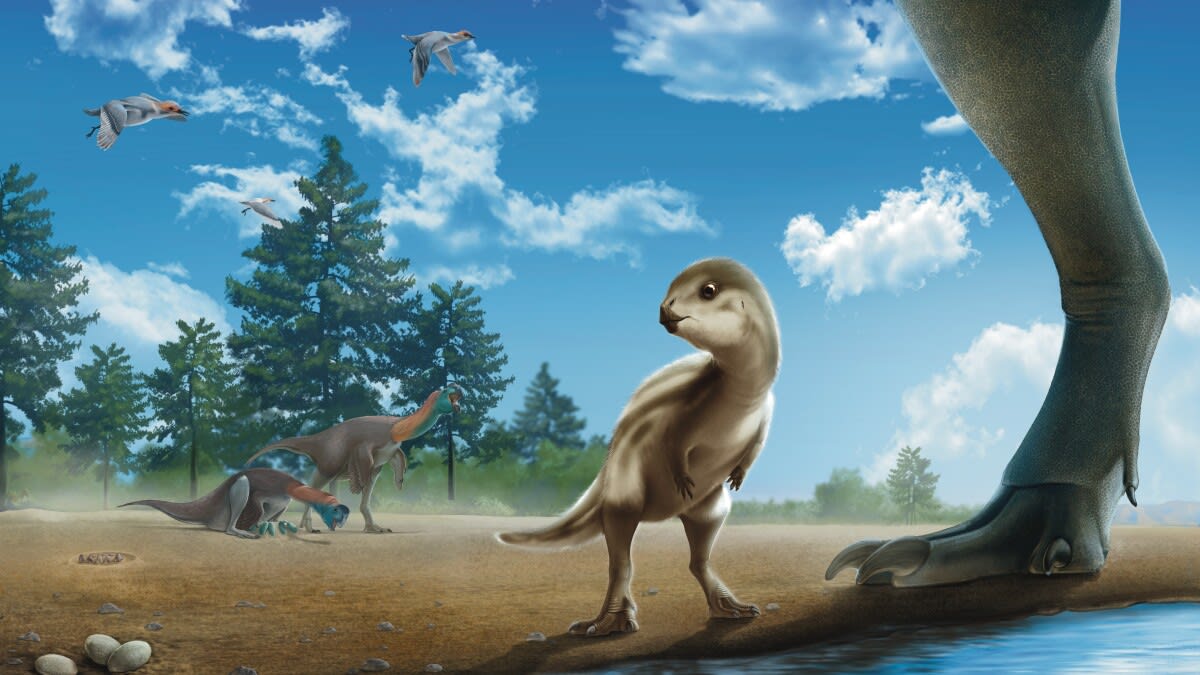
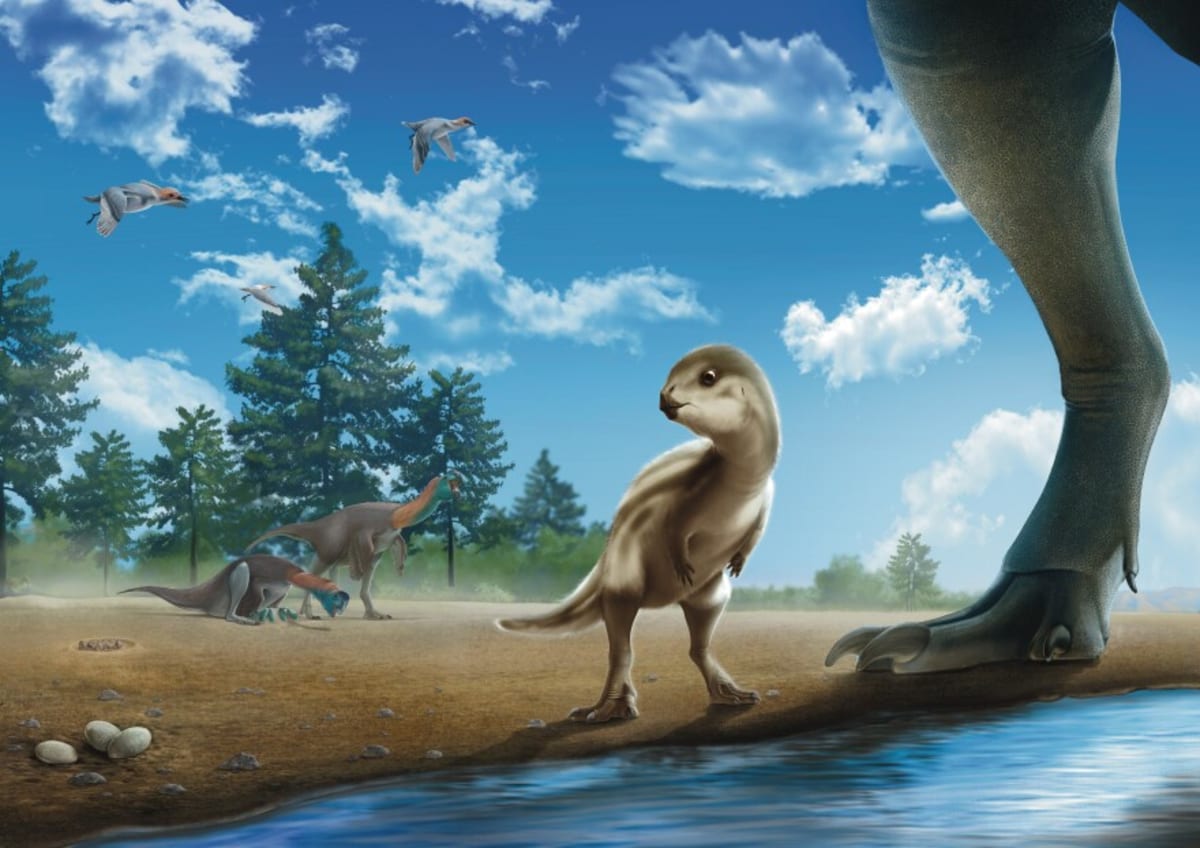
The tiny creature, named Doolysaurus after a beloved Korean children's TV character, was about the size of a small dog when it died at roughly two years old. Scientists believe it may have been covered in fuzz, like other relatives in its dinosaur family.
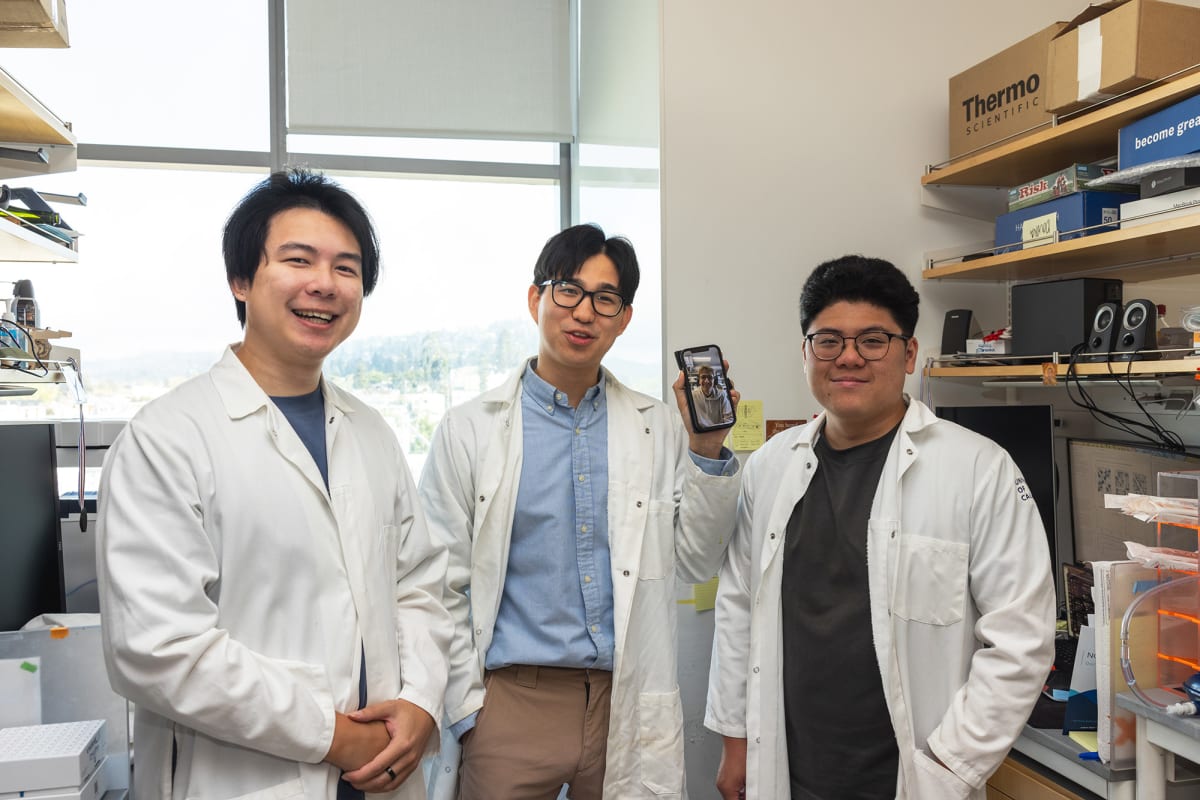
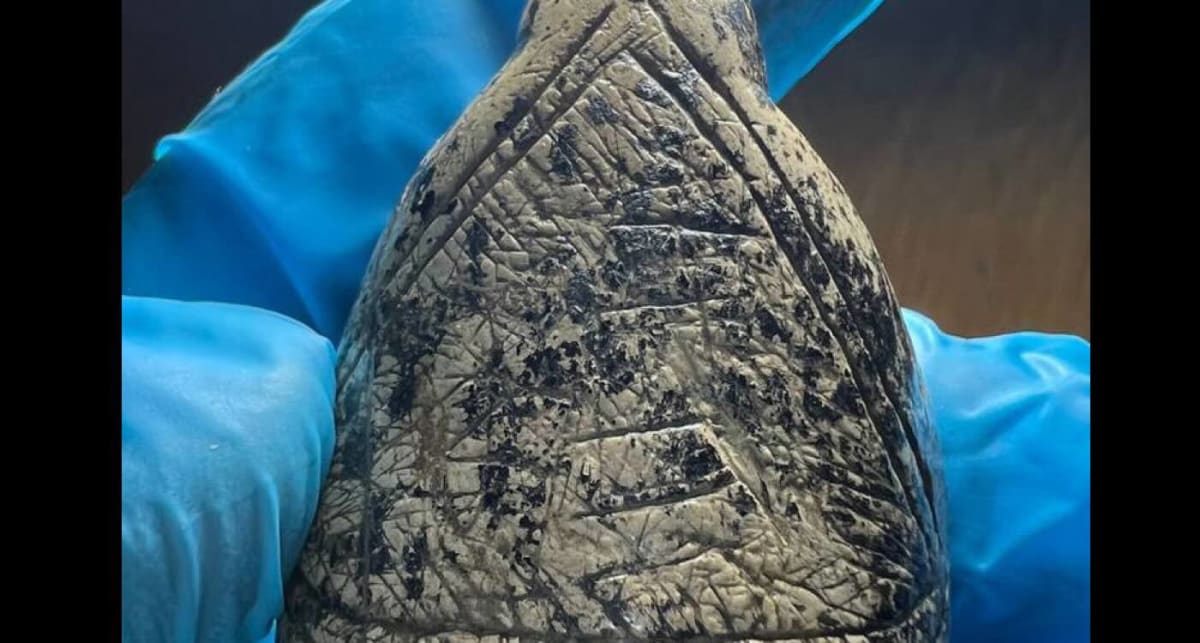
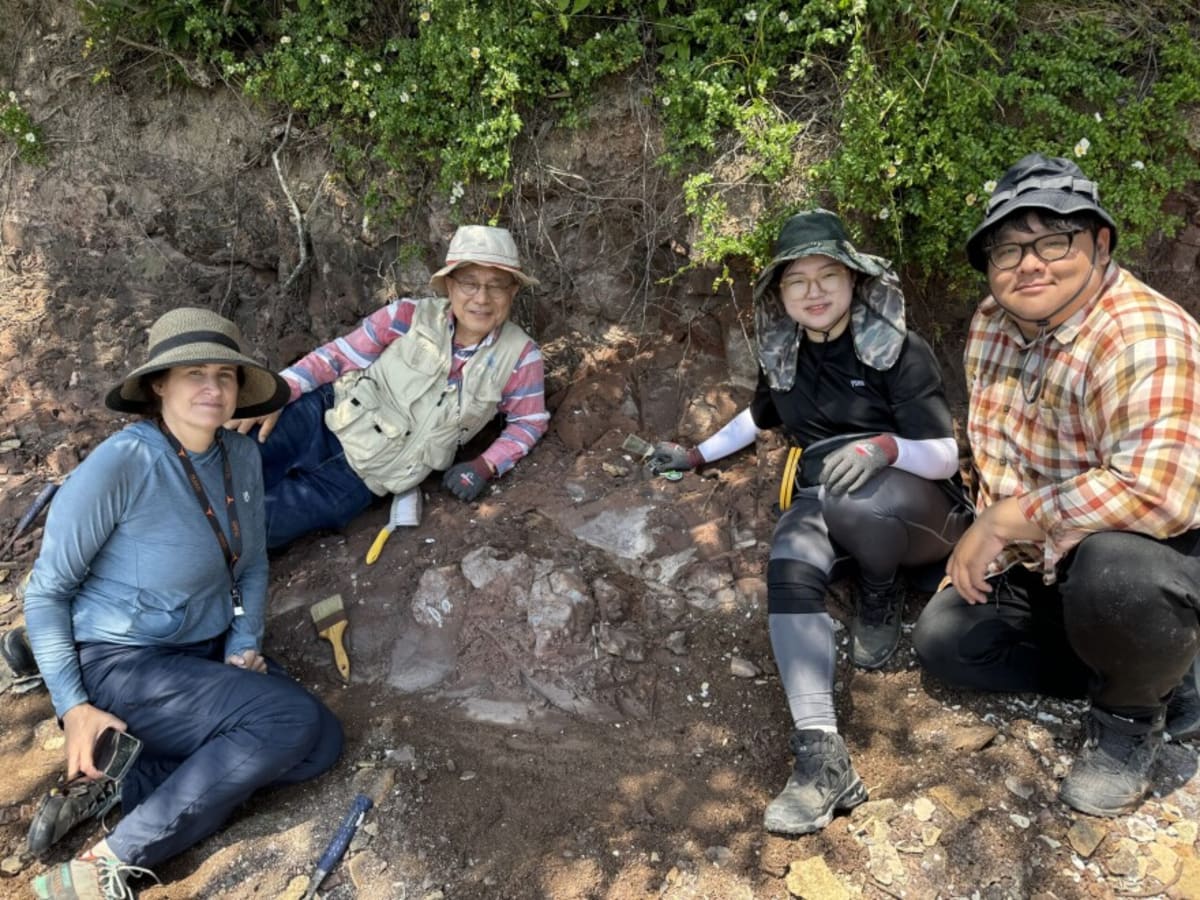
The discovery almost didn't happen. When Jongyun Jung, a visiting postdoctoral researcher at UT's Jackson School of Geosciences, first saw the fossil trapped in rock on Korea's Aphae Island, he couldn't tell what it was. The surrounding rock was harder than the bones themselves, making traditional excavation nearly impossible.
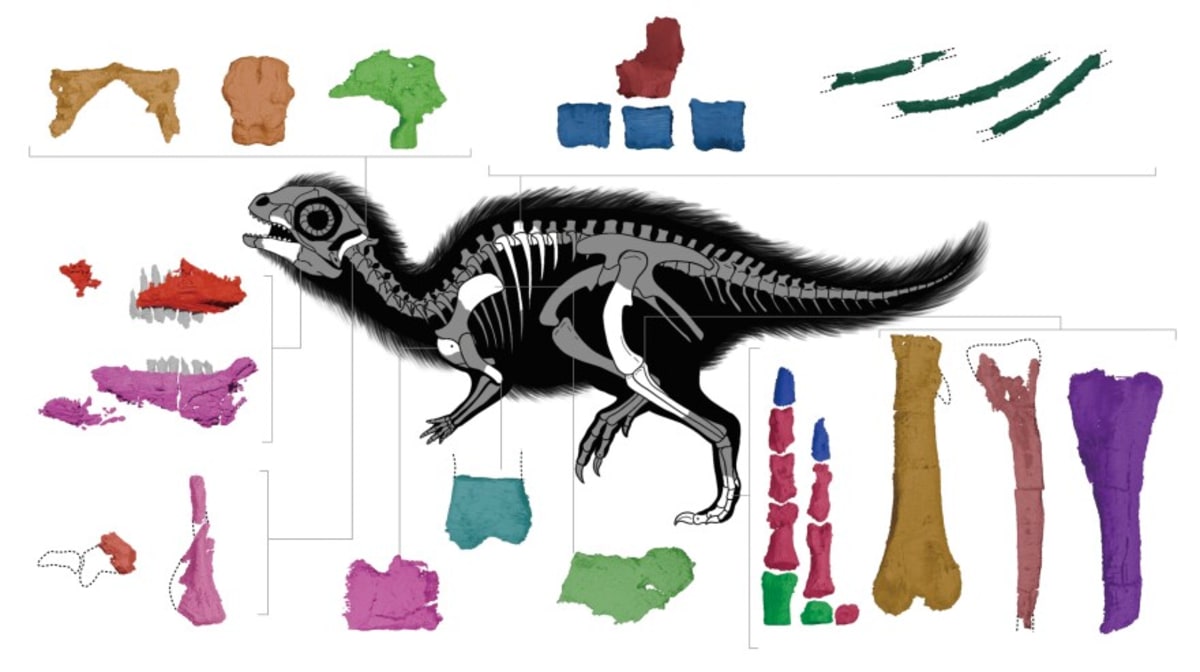
That's when Dr. Julia Clarke, a professor at the Jackson School, suggested bringing the fossil to UT Austin for CT scanning. Using X-rays to peer inside the rock block, the team made a thrilling discovery: a complete skull hidden within.
"We figured out very different character with other dinosaur species," Jung said. "This is one of the very important moments in my life." For Jung, whose background focused on fossil footprints, finding a new species by his own hands fulfilled a lifelong dream.
Why This Inspires
The discovery required painstaking comparison of every bump on every bone against all known dinosaur species. After months of careful analysis, the team confirmed they had something entirely new.
The find reveals important clues about how dinosaurs moved between ancient Asia and North America during the mid-Cretaceous period. This desk-sized creature helps fill gaps in understanding connections between species that once roamed continents now separated by vast oceans.
The site where Doolysaurus was found also contains many dinosaur and bird egg fossils. Jung and his colleagues expect to discover even more species in the area, suggesting this may be just the beginning of exciting finds from Korea's fossil-rich landscape.
The collaboration between Korean and American researchers shows how international teamwork and modern technology can unlock secrets buried for millions of years.
More Images
Based on reporting by Google: fossil discovery
This story was written by BrightWire based on verified news reports.
Spread the positivity!
Share this good news with someone who needs it