Scotland Unearths Most Complete Dinosaur Fossil Ever Found
Scientists on Scotland's Isle of Skye discovered the most complete dinosaur skeleton ever found in the country, a dog-sized plant-eater from 166 million years ago. The rare Middle Jurassic fossil could rewrite how we understand the evolution of herbivorous dinosaurs.
Hidden in hard limestone along a remote Scottish coastline, a nearly complete dinosaur skeleton waited 166 million years to tell its story.
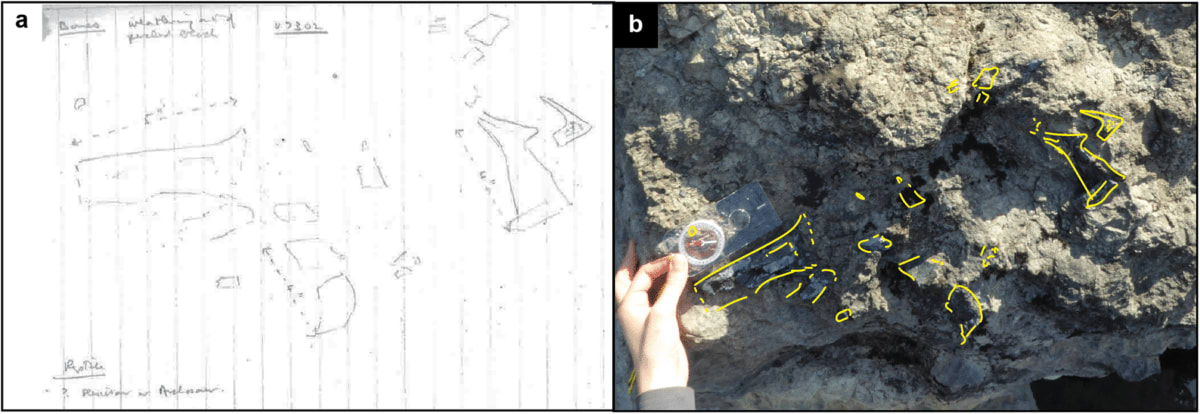
Paleontologists at National Museums Scotland recovered the most complete dinosaur fossil ever found in the country from the Isle of Skye. The skeleton belongs to a dog-sized herbivore that lived during the Middle Jurassic period, a time scientists know surprisingly little about.
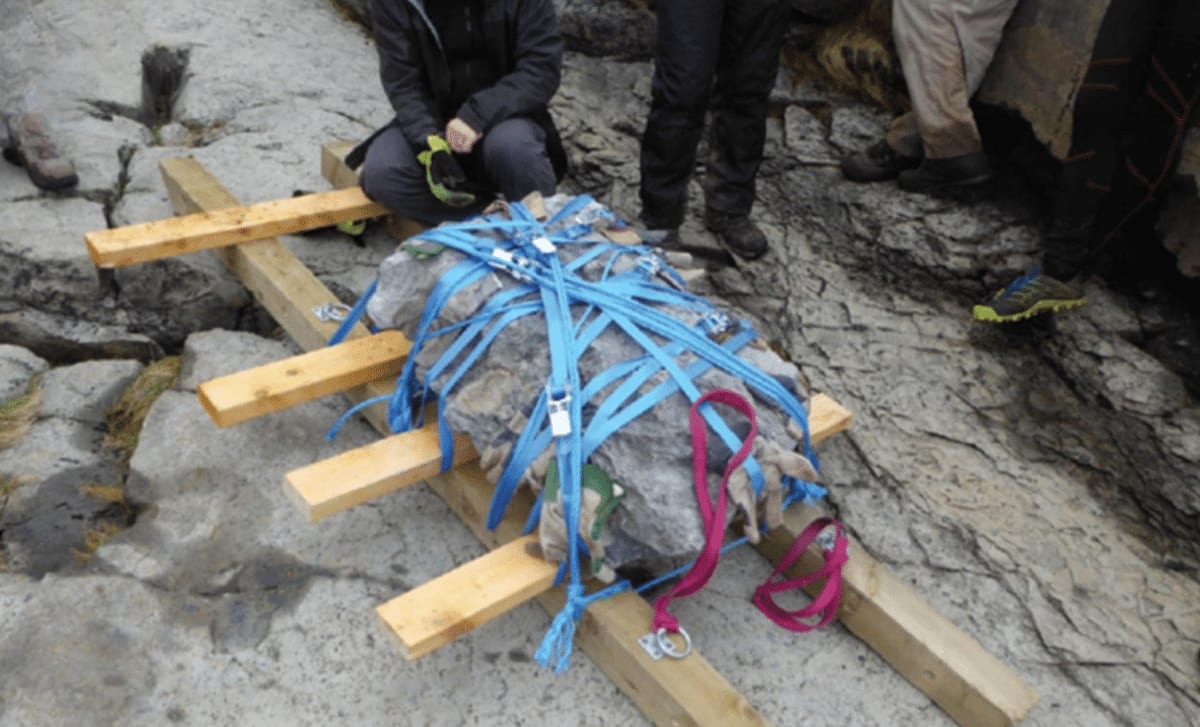
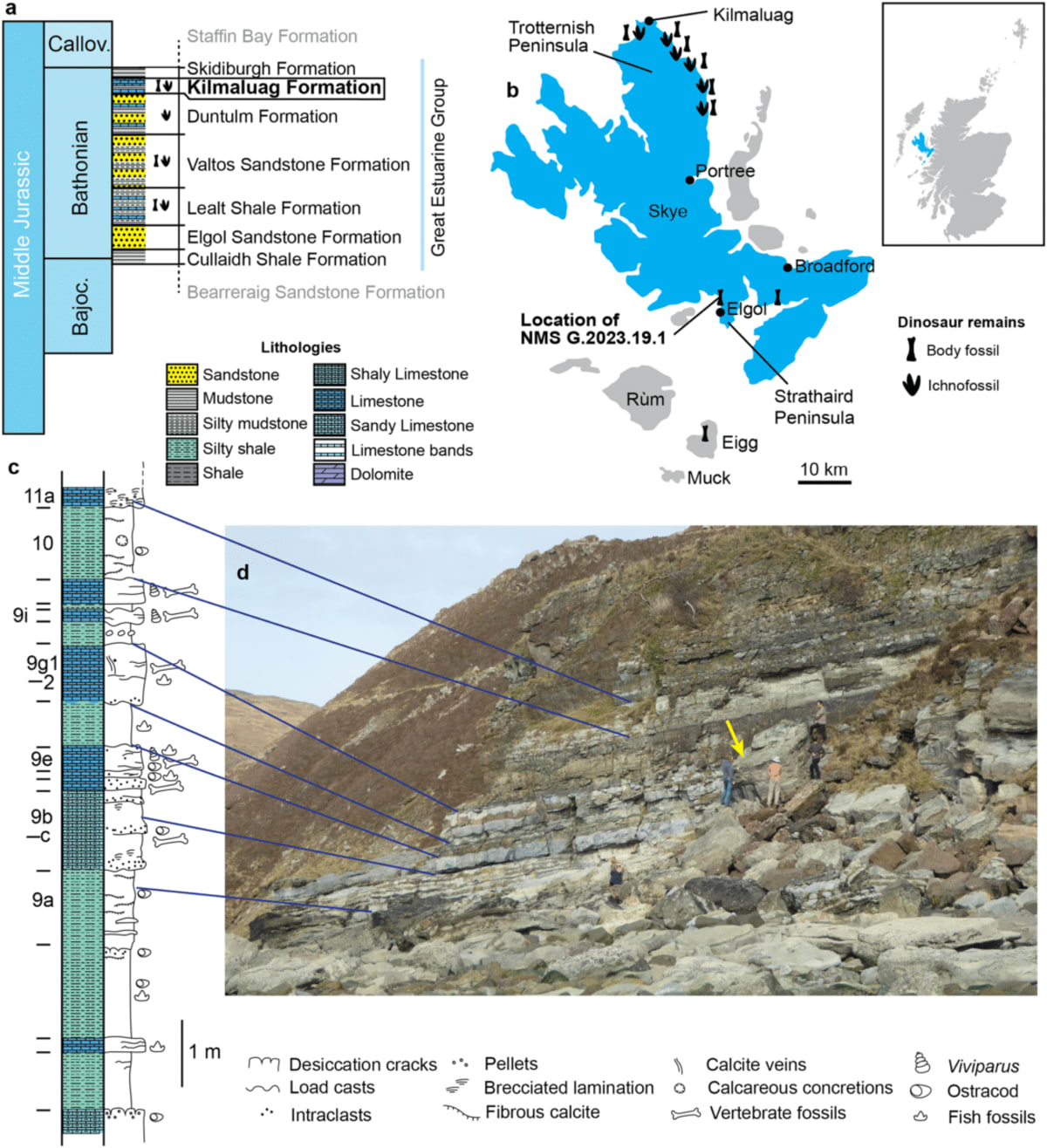
Dr. Elsa Panciroli led her team to a treacherous shoreline accessible only at low tide. They used ropes, wedges, and a motorboat to extract the precious fossil from its rocky tomb. The location's designation as a Site of Special Scientific Interest meant every step required careful permission and planning.
The discovery matters because Middle Jurassic fossils are incredibly rare. While giant sauropods and armored predators dominated the Late Jurassic period, scientists have struggled to understand what came before. Most fossils from this era consist of scattered teeth or bone fragments too incomplete to draw meaningful conclusions.
This skeleton changes that equation. The creature appears to be an ornithischian, part of a plant-eating dinosaur group that was just beginning to diversify into the incredible variety that would soon dominate Earth. At eight years old when it died, the dinosaur hadn't yet reached full maturity, giving researchers clues about how these early herbivores grew and developed.
Analysis of the bones revealed growth rings similar to tree rings. These marks suggest the dinosaur took longer to mature than its later relatives, potentially revealing important evolutionary pressures faced by plant-eating species during this transitional period.
The Bright Side
This fossil fills a critical gap in our understanding of how small, meat-eating dinosaurs from the Early Jurassic evolved into the diverse giants of the Late Jurassic. The specimen represents what researchers call the geologically youngest ornithischian ever found in Scotland and the first from the Kilmaluag Formation.
While the team hasn't yet named the species due to incomplete bone preservation, the discovery itself rewrites regional prehistoric history. It proves that Scotland's ancient ecosystems were more diverse than previously thought and that plant-eating dinosaurs were establishing themselves in new territories during this pivotal period.
The fossil now sits at National Museums Scotland, where researchers continue extracting it from surrounding rock. Each careful scrape reveals more about a world where dog-sized herbivores lived alongside prehistoric giants, quietly reshaping the planet's future.
One subadult dinosaur from a windswept Scottish island is helping scientists understand how life on Earth transformed from a world of small predators into an age of colossal plant-eaters.
More Images

Based on reporting by Google News - Scientists Discover
This story was written by BrightWire based on verified news reports.
Spread the positivity!
Share this good news with someone who needs it