Thailand Discovers New 65-Foot Dinosaur Species
Scientists in Thailand have identified a never-before-seen dinosaur species from fossils discovered in 2008. The plant-eating giant with an extraordinarily long neck lived 150 million years ago and shows features unlike any dinosaur ever found.
A local man in northeast Thailand thought he'd stumbled upon serpent scales in 2008, but those mysterious fragments led to something far more remarkable: an entirely new species of dinosaur.
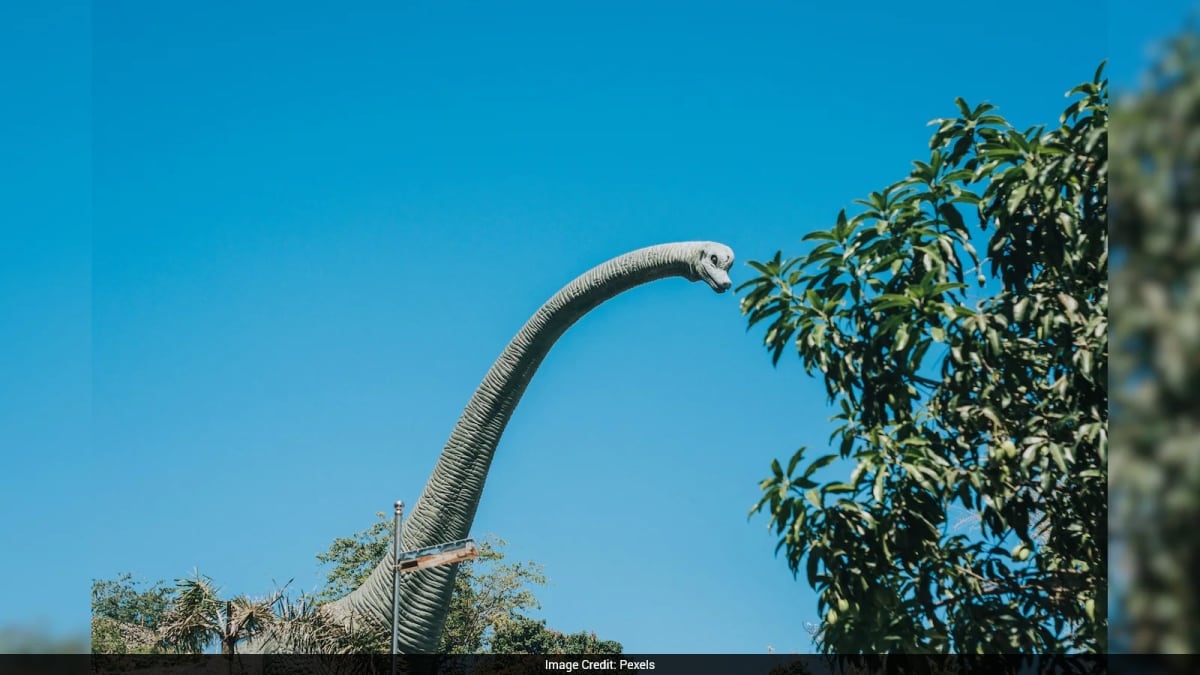
Scientists have officially named the discovery Uragasaurus kalasinensis, a massive plant-eating dinosaur that stretched up to 20 meters long (about 65 feet). The creature roamed what is now Kalasin Province roughly 150 million years ago during the Late Jurassic period.
Dr. Apirut Nilpanapan from Mahasarakham University led the research team that spent years analyzing fossils from the Phu Noi site. The breakthrough came from studying a single dorsal vertebra, a bone from the dinosaur's upper back that revealed something extraordinary.
A CT scan showed the vertebra belonged to the Mamenchisauridae family, dinosaurs famous for their extremely long necks that helped them reach vegetation at various heights. But this specimen had features never seen before in any dinosaur worldwide.
The scan revealed a unique Y-shaped arrangement of supporting bones called laminae, along with a distinctive air-cavity structure. These characteristics set it apart from every other known dinosaur species, including its closest relatives found primarily in China.
This marks the first Mamenchisauridae family member ever discovered in Thailand. More than 90 percent of fossils recovered from the Phu Noi site were dinosaur fragments, making it a treasure trove for paleontologists studying the region's prehistoric past.
Why This Inspires
Dr. Nilpanapan's reaction to the discovery captures the pure joy of scientific breakthrough. He admitted to accidentally smashing his computer in the moment he realized they'd found a new species, feeling both exhilarated and relieved after years of painstaking research.
The discovery adds another chapter to Southeast Asia's growing paleontological story. Just months earlier in May, scientists announced the nagatitan, another long-necked herbivore from Thailand that became the largest dinosaur ever found in the region at 27 tonnes and 27 meters long.
What started with a curious local resident noticing unusual fragments has transformed our understanding of dinosaur distribution across ancient Asia. The study, published this week in the prestigious journal Nature, opens new questions about how these giants migrated and evolved across the prehistoric landscape.
Every fossil tells a story waiting 150 million years to be heard.
More Images



Based on reporting by Google News - Scientists Discover
This story was written by BrightWire based on verified news reports.
Spread the positivity!
Share this good news with someone who needs it