France Uncovers Hundreds of Dinosaur Eggs from 3 Species
Paleontologists in southern France discovered hundreds of intact dinosaur eggs from three different species at a single nesting site dating back 70 million years. The rare find reveals how different dinosaurs shared prime nesting grounds just before the mass extinction that ended their reign.
Three very different dinosaur species chose the exact same coastal spot to lay their eggs 70 million years ago, and paleontologists just uncovered the proof.
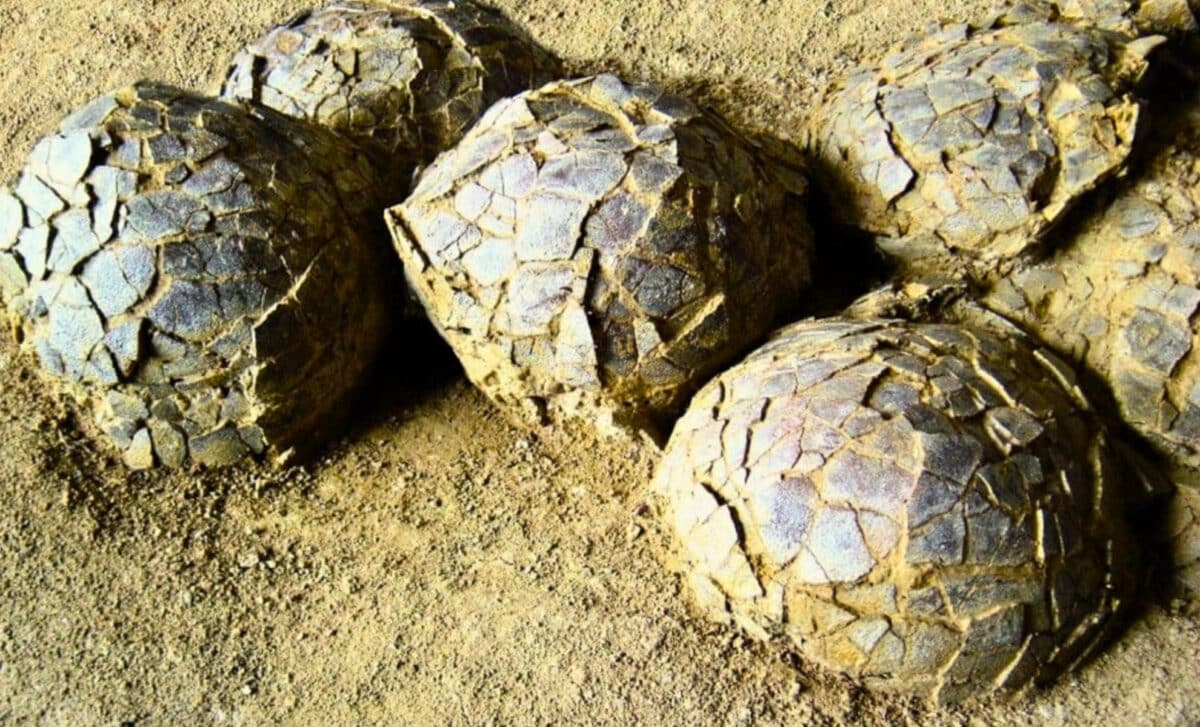
A team at the Mèze fossil site in southern France has exposed hundreds of intact dinosaur eggs buried together in a single ancient layer. The discovery, announced in late March 2026, shows something scientists rarely see: multiple species using one communal nesting ground.
The eggs come from titans of the dinosaur world and their smaller neighbors. Giant long-necked titanosaurs left behind spherical eggs up to 20 centimeters across. A two-legged plant eater called Rhabdodon priscus deposited smaller oval eggs nearby. A tiny carnivore species rounded out the prehistoric nursery.
The find started with a walk. In 1996, Alain Cabot spotted eggshell fragments on exposed clay slopes while exploring the region as an amateur. That weekend discovery sparked three decades of careful excavation.
The current dig resumed in October 2025 despite slick mud and winter rain. More than 100 eggs already fill the excavation trench, and the fossil layer extends far beyond what's visible. The team from the Musée-Parc des Dinosaures expects the total to reach several thousand as work continues.
A catastrophic ancient flood saved these eggs for science. Rushing water buried the nests under fine clay, protecting the delicate calcium shells from weather and scavengers. Without that rapid burial 70 million years ago, the eggs would have crumbled long before any human could study them.
The site captures a crucial moment in Earth's history. These dinosaurs nested just two million years before the asteroid impact that ended the Cretaceous Period. The eggs represent some of the final breeding seasons before mass extinction reshaped life on the planet.
Why This Inspires
This discovery rewrites what we know about dinosaur behavior. Scientists once thought different species separated themselves across landscapes. Instead, these ancient animals recognized good nesting habitat when they found it and shared the space season after season.
Some newly revealed eggs show zero crushing or deformation. Their pristine condition means embryonic remains might lie preserved inside the shells, offering an unprecedented window into dinosaur development.
The museum operates the site as both a research station and public attraction. Summer visitors watch technicians scrape away clay millimeter by millimeter to free fragile eggs from their 70-million-year tomb.
Regional officials call it a major boost to scientific heritage, and the team plans to keep digging for years. The exposed section represents just a fraction of the fossil layer running into untouched ground.
What began as curiosity on a weekend walk grew into one of Europe's richest dinosaur nesting grounds, proving that groundbreaking discoveries can start with a single observant person and decades of patient dedication.
More Images


Based on reporting by Google News - Science
This story was written by BrightWire based on verified news reports.
Spread the positivity!
Share this good news with someone who needs it