520-Million-Year-Old Fossils Solve Animal Evolution Mystery
Scientists in China discovered tiny honeycomb fossils that finally prove bryozoans thrived during the Cambrian explosion, closing a 500-million-year gap in our understanding of early animal life. The exceptionally preserved soft tissues answer a question that has puzzled researchers for decades.
For the first time, scientists have found the missing piece in the puzzle of ancient animal life, and it's smaller than your pinky nail.
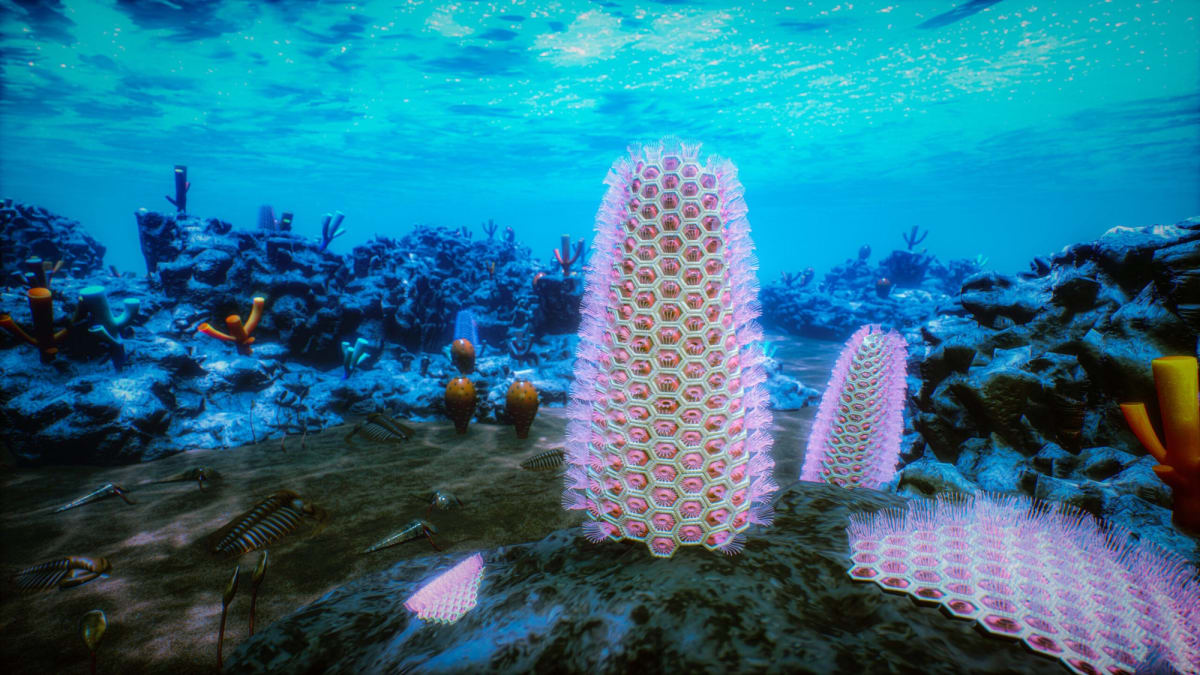
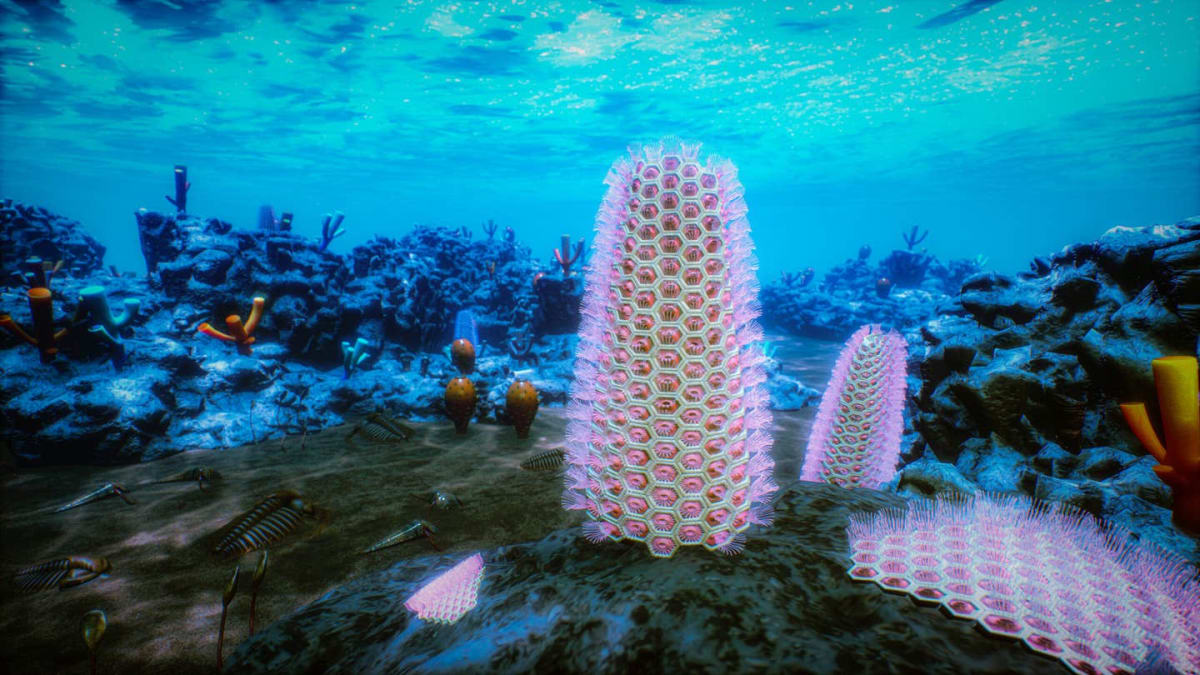
Researchers in China uncovered tiny colonial fossils that prove bryozoans, filter-feeding invertebrates that live in honeycomb-like colonies, existed during the Cambrian explosion 520 million years ago. Until now, these creatures seemed oddly absent from that critical period when nearly every other major animal group first appeared in the fossil record.
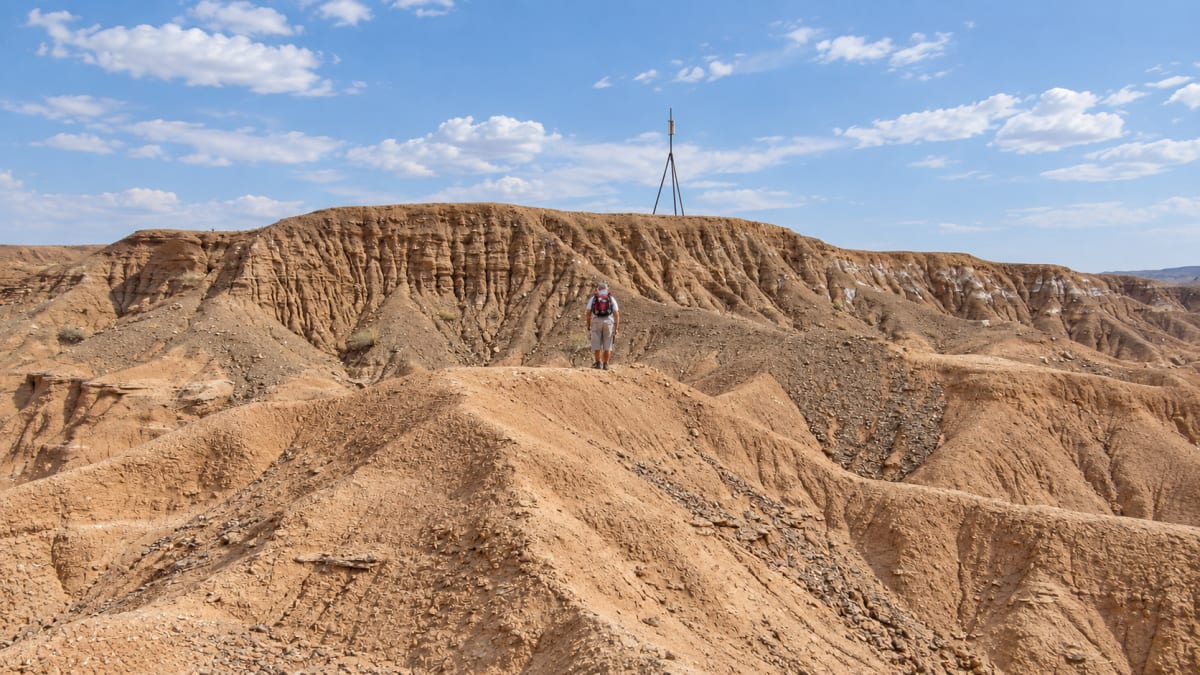
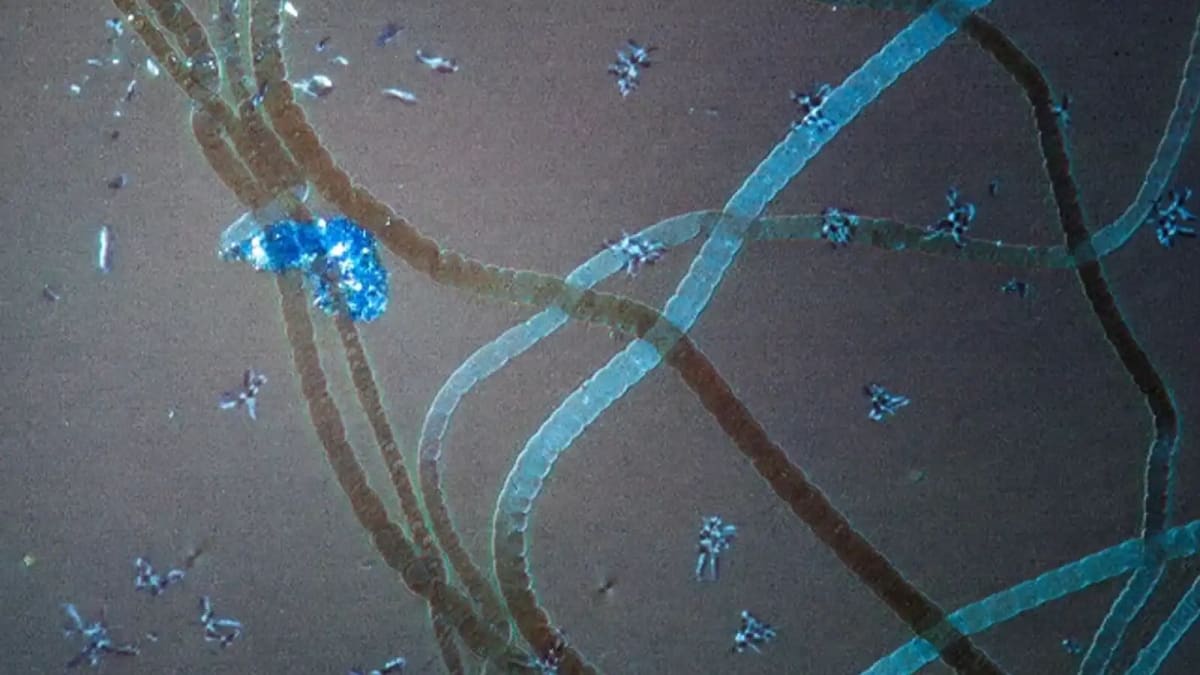
The fossils come from the Xiannüdong Formation in Shaanxi Province, and they're remarkable for what they preserved. Using advanced X-ray imaging, the international team found soft tissues still intact inside the stone, including membranous sacs and muscle fibers that have survived half a billion years.
"Bryozoa has been the elephant in the room of Cambrian paleontology for a long time," said Dr. Timothy Topper of Northwest University. Every other major animal group had Cambrian representatives, making bryozoans the puzzling exception.
The discovery includes detailed specimens of Protomelission gatehousei and a newly named species, Dayingomelission hexaclitia. Both show the modular architecture scientists expect in bryozoans, with individual chambers packed into orderly colony walls just millimeters across.
What makes these fossils extraordinary isn't just their age. The preservation is so detailed that researchers could see the internal anatomy that confirms these creatures as true bryozoans, not algae or fragments from other organisms as some had suggested about earlier finds.
Why This Inspires
This discovery does more than fill a gap on a timeline. It proves that even when evidence seems missing, patient scientific work can uncover truths that have been hiding in plain sight for millions of years.
The fossils also reveal that bryozoans weren't rare oddities but thrived in shallow reef environments alongside other Cambrian life. They were there all along, just waiting in rocks that hadn't been closely examined until now.
Professor Zhifei Zhang, who led the study published in Nature, called the preservation "nothing short of extraordinary." The shallow, clear-water environments where these colonies lived may explain why they eluded discovery for so long, since most famous Cambrian fossil sites represent deeper waters.
The finding suggests the common ancestor of all bryozoans must be even older, possibly reaching back to the very dawn of complex animal life. What seemed like an evolutionary exception now looks like confirmation that the Cambrian explosion was even more comprehensive than scientists realized.
Sometimes the most important discoveries come in the smallest packages, proving that every creature has its place in the story of life on Earth.
More Images
Based on reporting by Google: fossil discovery
This story was written by BrightWire based on verified news reports.
Spread the positivity!
Share this good news with someone who needs it