Brazil Fossil Fills 240-Million-Year Gap in Dino History
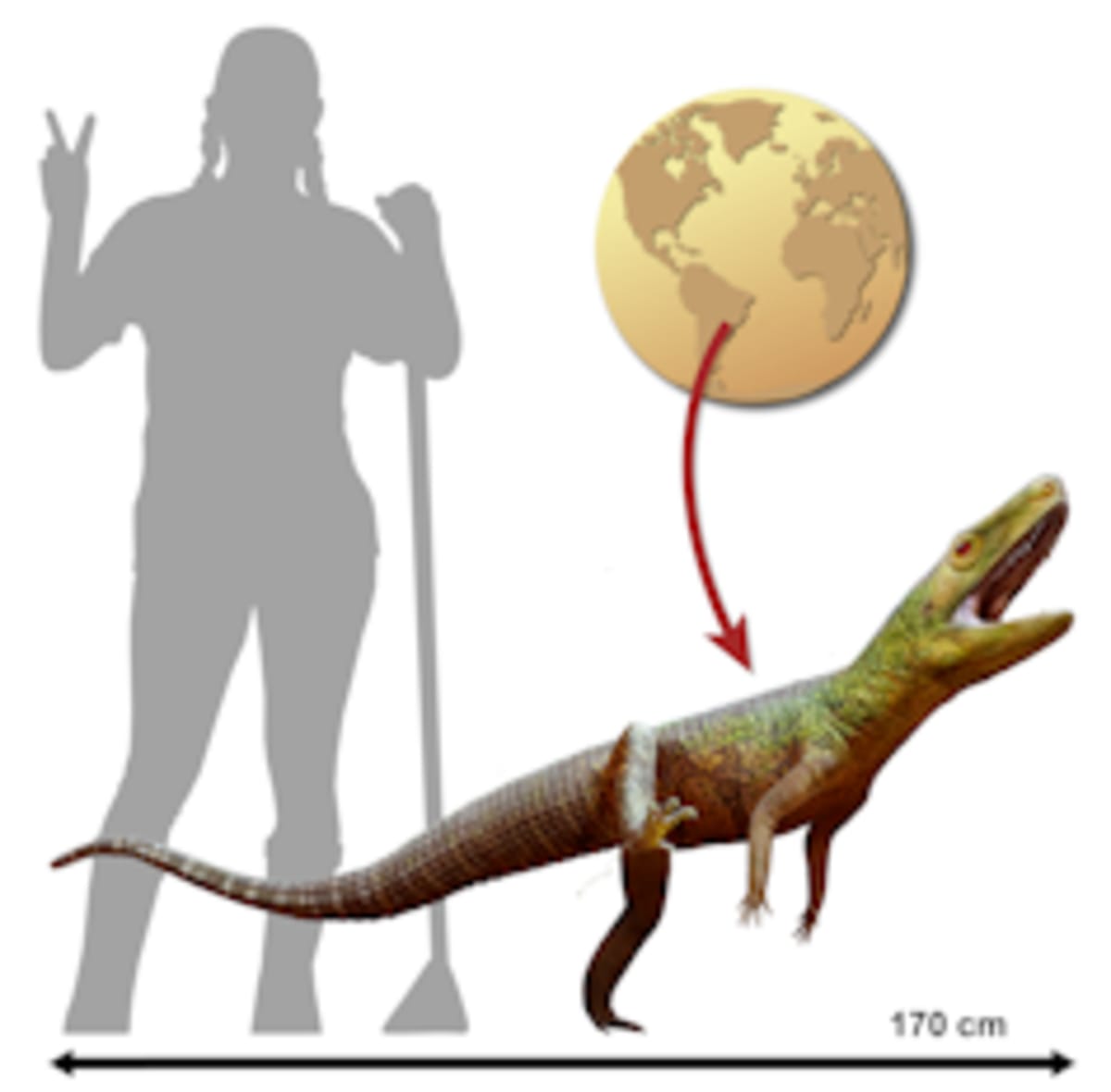
Scientists in Brazil discovered a small reptile fossil that lived 240 million years ago, revealing how dinosaurs and crocodiles evolved from common ancestors. The alligator-sized creature helps solve a missing piece in the story of how life recovered after Earth's worst extinction event.
A fossil no bigger than a small alligator is rewriting what we know about the ancestors of dinosaurs and crocodiles.
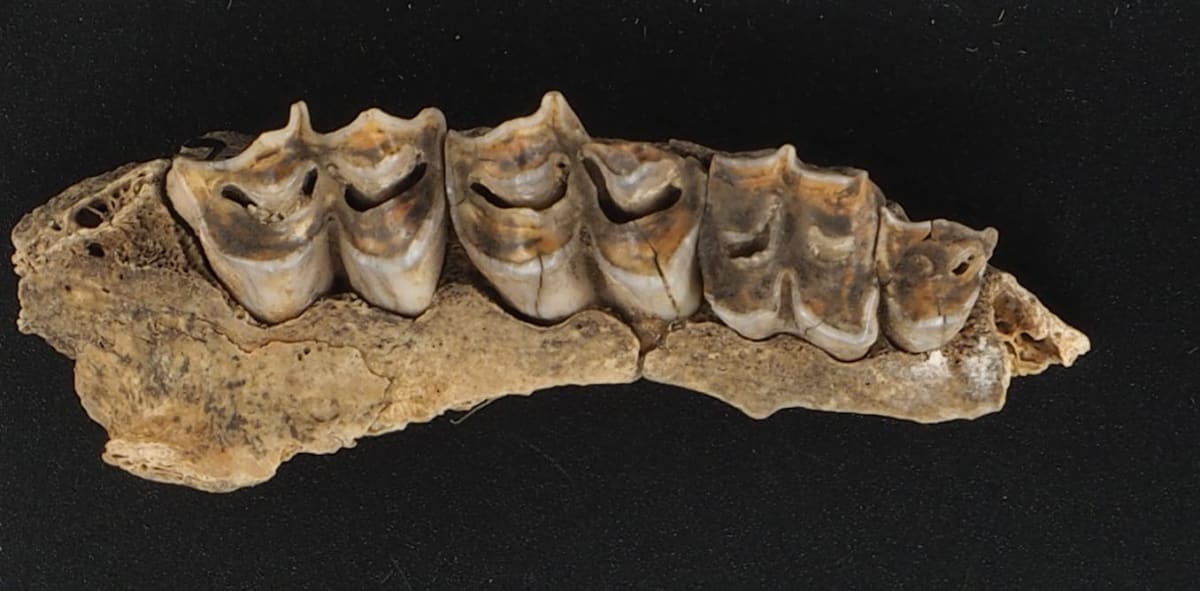
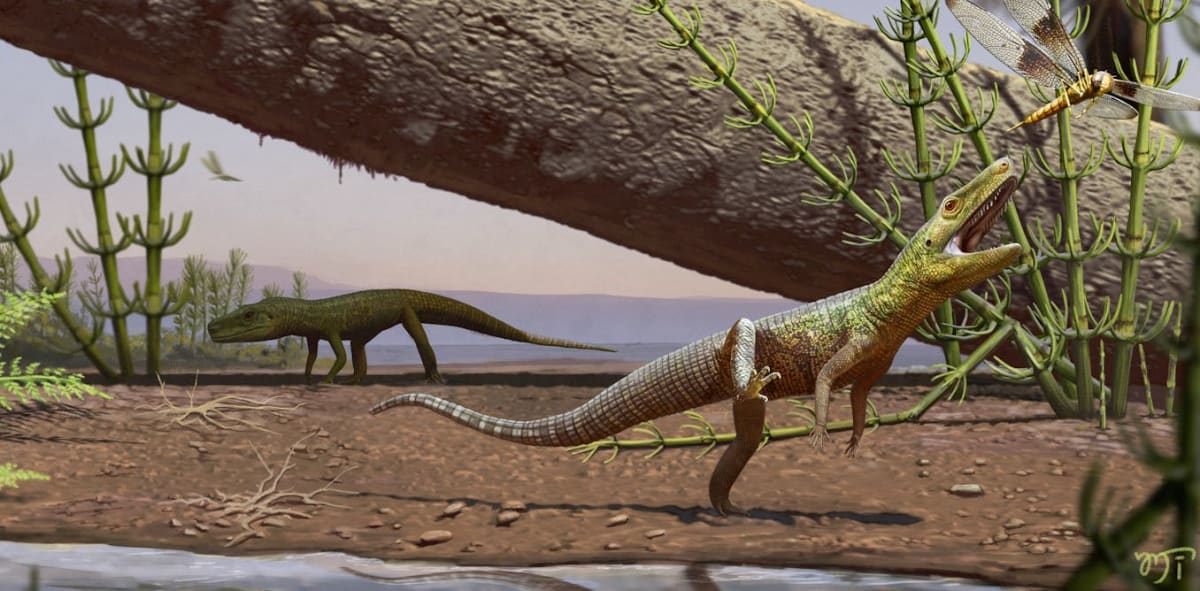
Scientists in southern Brazil have identified Silescelida acristata, a reptile species that roamed Earth 240 million years ago during the Middle Triassic Period. The discovery fills a crucial gap in understanding how two of the planet's most successful animal groups came to be.
The fossil was found in Dona Francisca, part of the UNESCO Quarta Colônia Geopark in Rio Grande do Sul state. Researchers from three Brazilian universities worked together to study the ancient remains, publishing their findings in Scientific Reports.
When Silescelida lived, Earth was still healing from the worst extinction event in history. The Permian-Triassic extinction had wiped out most life on the planet just 12 million years earlier, and new groups of animals were beginning to experiment with different body shapes and ways of moving.
This small predator walked on four legs in a semi-erect position, with its limbs positioned lower on its body rather than splayed to the sides. That subtle change made movement more efficient and laid the groundwork for the posture that would later help dinosaurs and crocodiles dominate their environments for millions of years.
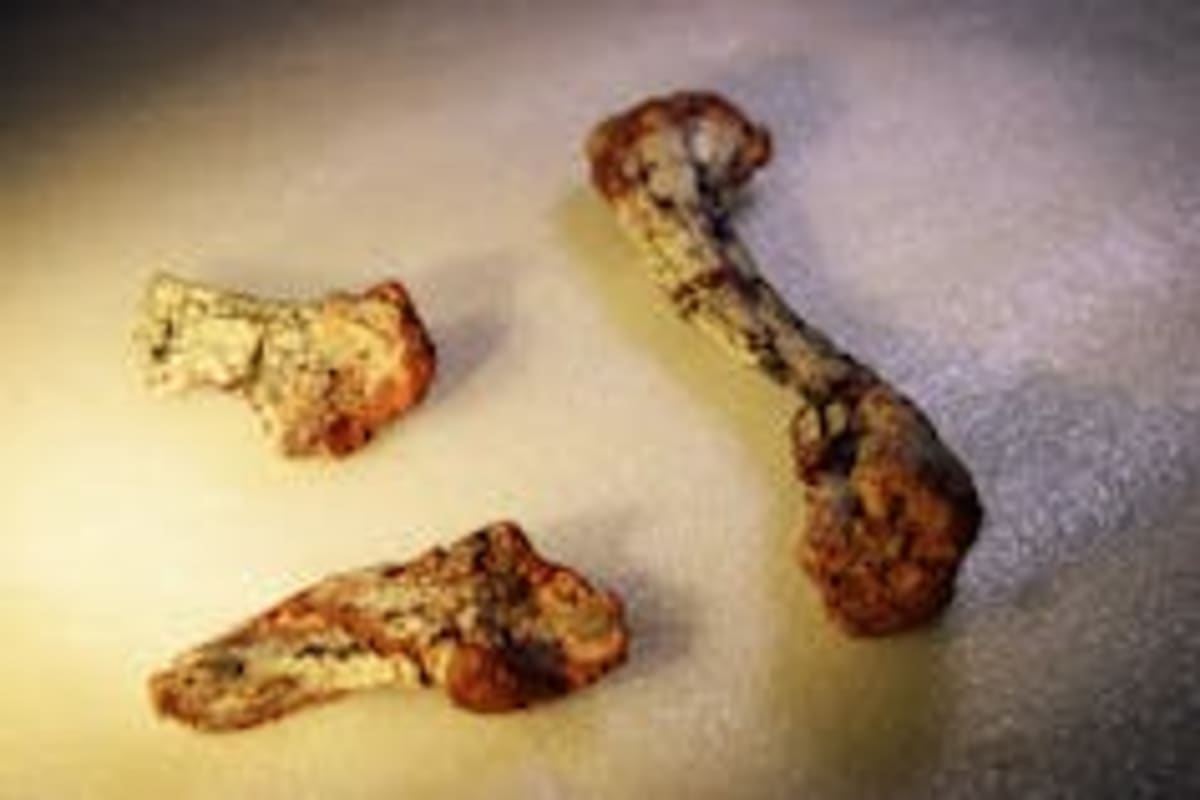
The fossil preserves mainly leg bones, but those bones tell an important story. The thigh bone shows evolutionary changes that came before the rise of the giant reptiles we know today, capturing a moment when nature was still testing different designs.
Why This Inspires
Scientists initially thought relatives of Silescelida only lived in Africa, Asia, and Europe. Finding one in South America proves these ancient reptiles spread across the entire world, painting a picture of a more connected prehistoric Earth than we imagined.
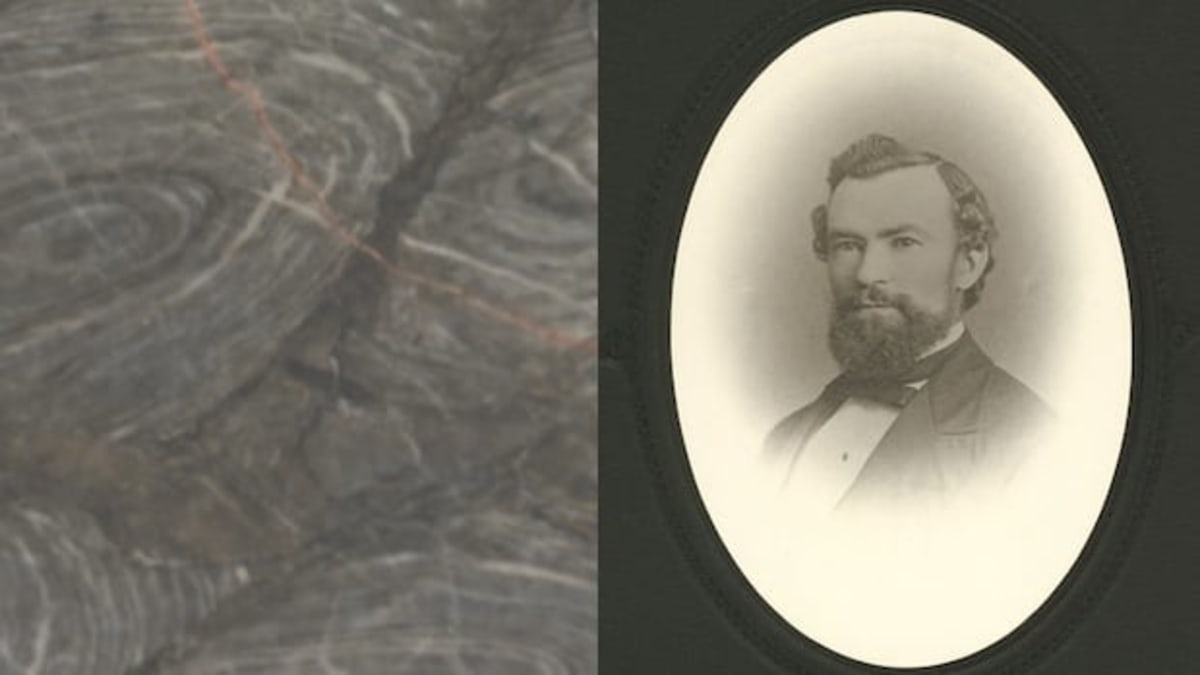
The discovery also has a remarkable backstory. Part of the fossil went missing for more than two decades before researchers found it again during a 2022 visit to a university collection. That rediscovery made it possible to confirm where the specimen came from and finally give it a proper scientific name.
The name Silescelida combines words for "silence" and "leg," honoring both the long-lost fossil fragment and the limb bones that survived. The second part, acristata, means "without a crest" and refers to a missing bone feature that sets this species apart from its relatives.
This ancient reptile proves that major evolutionary breakthroughs often happen in small, gradual steps. Understanding those steps helps us appreciate the remarkable journey that transformed a world of scattered survivors into one filled with soaring pterosaurs, thundering dinosaurs, and the birds that still fly above us today.
More Images
Based on reporting by Google: fossil discovery
This story was written by BrightWire based on verified news reports.
Spread the positivity!
Share this good news with someone who needs it