Scientists Extract 50,000-Year-Old DNA from African Fossils
Researchers successfully recovered ancient DNA from antelope fossils up to 50,000 years old in South Africa, achieving what was thought nearly impossible in warm climates. This breakthrough opens new doors to understanding extinct African species and protecting today's wildlife.
Scientists just unlocked a time capsule that could help save Africa's endangered animals today.
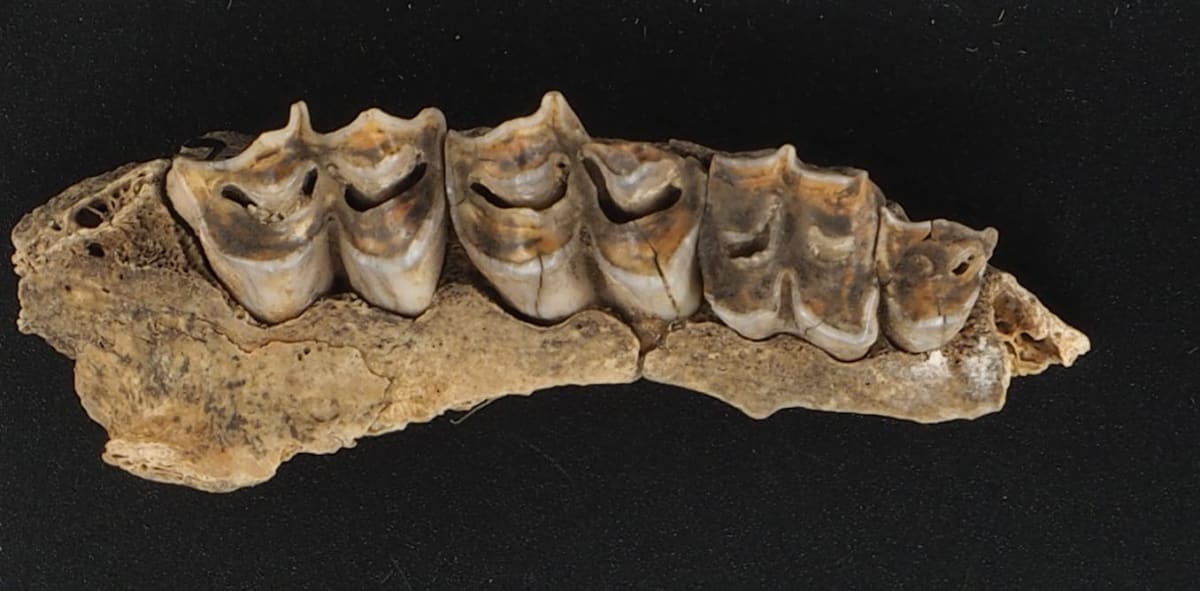
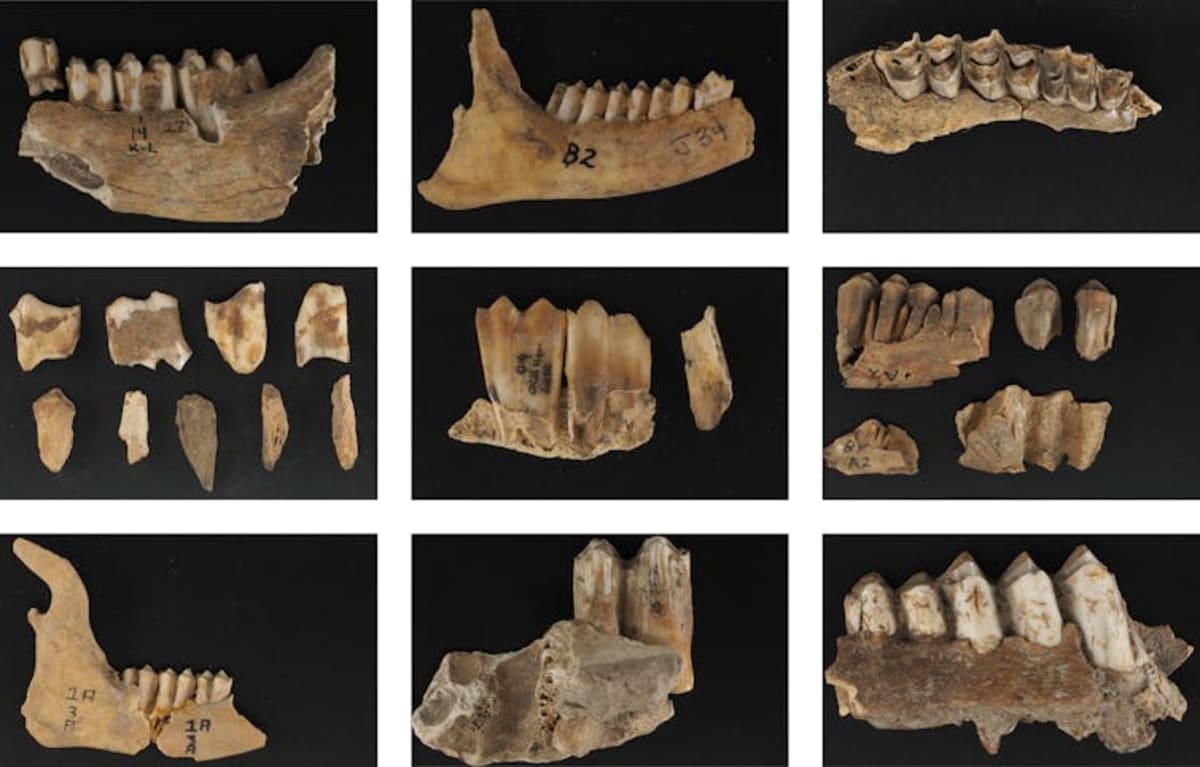
A research team successfully extracted ancient DNA from 144 fossil teeth and bones found in South African caves, with some samples dating back 50,000 years. The oldest DNA belonged to a mountain reedbuck discovered in Boomplaas Cave in the Western Cape, potentially making it the oldest animal DNA ever found in Africa by 30,000 years.
This discovery shatters previous assumptions about DNA preservation. Scientists long believed warm African climates destroyed genetic material too quickly for ancient DNA studies, which is why most research focused on frozen regions like Siberia where woolly mammoth remains stayed preserved in permafrost.
The team tested fossils from six antelope species and two buffalo types, including the extinct giant long-horned buffalo. These bones were left in caves by ancient humans between 1,500 and 110,000 years ago, excavated by archaeologists decades earlier, and stored at the Iziko Museums in Cape Town.
Most fossils with preserved DNA were younger than 11,700 years old, marking the transition from the last ice age to our current warmer period. Nelson Bay Cave in Plettenberg Bay proved especially good at preserving genetic material, yielding DNA from three giant long-horned buffalo teeth aged 12,000 to 21,000 years old.
The work wasn't easy. Only about 2% of the DNA extracted actually belonged to the target animals, with the rest coming from microbes, environmental contamination, and decomposition. Younger fossils under 2,000 years old preserved up to 30% usable DNA.
Why This Inspires
This breakthrough means scientists can now study African mammals that disappeared during or after the last ice age, revealing how species responded to dramatic climate shifts. More importantly, comparing ancient genetic diversity to modern populations creates a baseline from before human activities caused massive wildlife declines over the past 200 years.
Conservation teams can use this genetic snapshot to understand what healthy, thriving animal populations looked like before hunting, habitat loss, and climate change took their toll. That knowledge becomes a roadmap for protecting endangered species today, showing us not just what we've lost, but what's possible to restore.
Africa's ancient animals are finally ready to share their secrets, and those secrets might just help their descendants survive.
More Images
Based on reporting by Google: fossil discovery
This story was written by BrightWire based on verified news reports.
Spread the positivity!
Share this good news with someone who needs it