114 Nations Build New Health System as Old Aid Model Ends
Countries are turning funding cuts into opportunity by building regional health systems they control themselves. Africa, Latin America, and other regions are creating shared data networks and medicine programs to replace the old aid model.
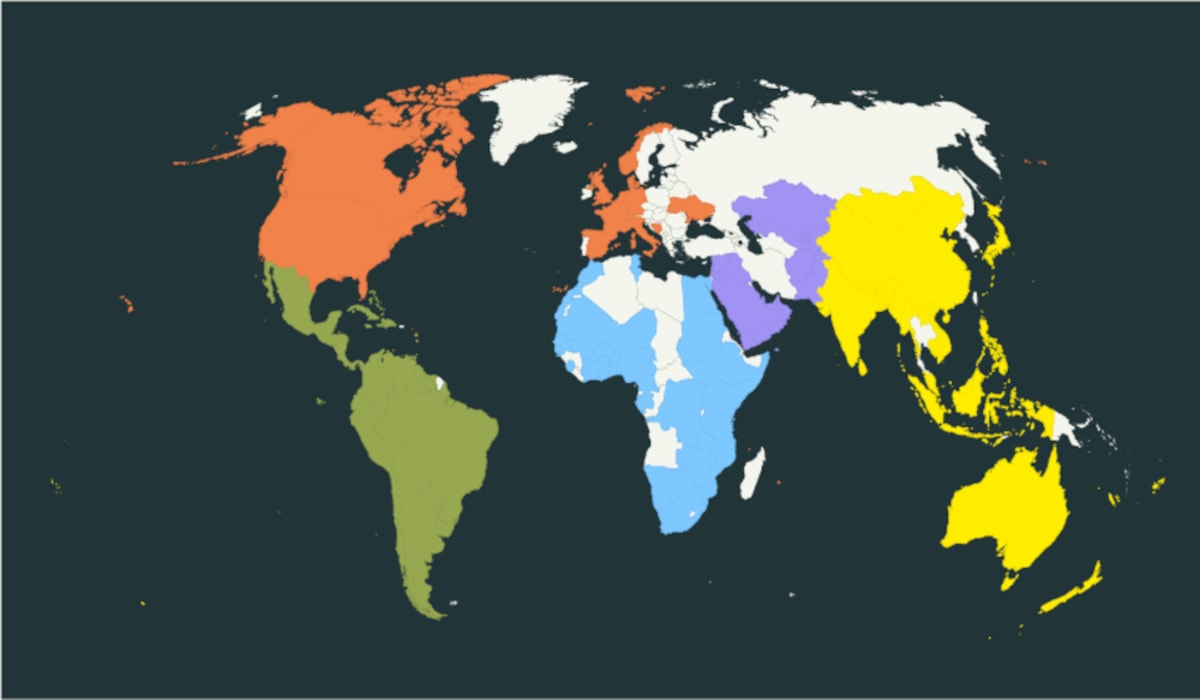
When international health funding started its steepest drop in decades, 114 countries decided to build something better instead of waiting for rescue.
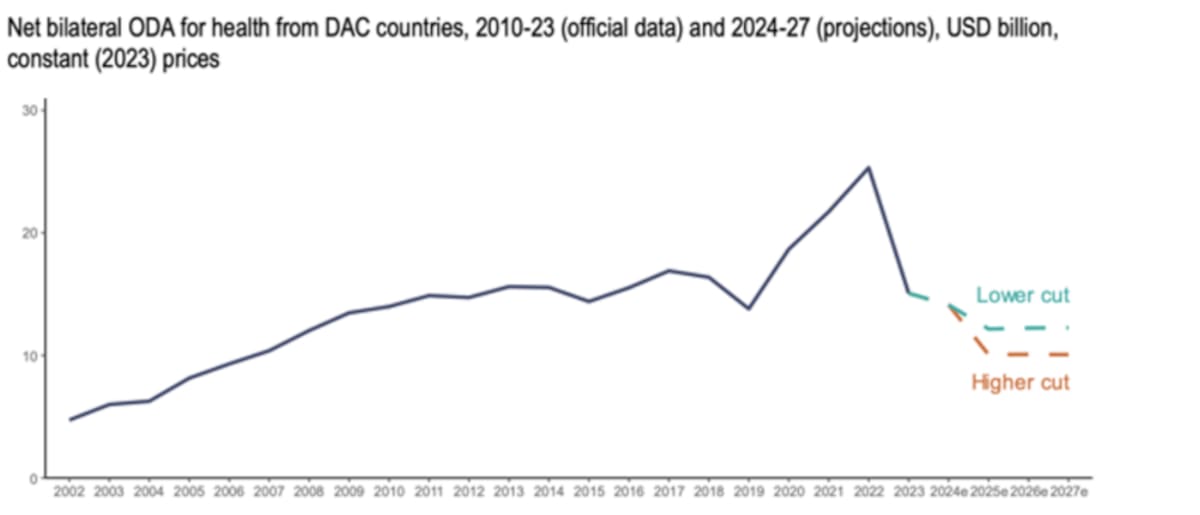
A new report from the Wellcome Trust reveals how nations across five continents are using this moment to redesign global health cooperation from the ground up. Traditional health aid is projected to fall 60% by 2030, returning to 2009 levels after years of reliable support.
But leaders see this as an opening, not just a crisis. "What happens next depends on our willingness to move forwards together," said John-Arne Røttingen, chief executive officer of the Wellcome Trust, when releasing the report in March 2026.
The old system relied on Western countries funding health programs in lower-income nations, creating dependency that eroded local control. That model is breaking down as donor nations pull back and debt burdens squeeze nearly 60% of the poorest countries.
Regional organizations are stepping into the gap with real power. The Africa CDC is now coordinating policy, technical support, and bulk medicine purchases across the continent instead of waiting for outside direction.
Africa is also building its own Health Data and Governance Framework so health information stays on the continent under local control. This lets African nations use their own data for clinical trials and research instead of sending it elsewhere.
Latin America and the Caribbean created a Health Catalytic Platform to pool investments in shared technology and data systems. Countries are designing these tools to work for integrated primary care, not just specific diseases.
Why This Inspires
This shift puts decision-making power where it belongs: with the people living in these communities. Regional cooperation means countries can negotiate better prices for medicines, share expertise faster, and build systems that match their actual needs.
Countries are also finding new money sources that don't create debt. France, Kenya, and Barbados are investing aviation tax proceeds into health systems. The Democratic Republic of Congo added a 2% import tax for health funding, while Zambia increased its health budget to 13%.
The World Health Organization is focusing on setting standards and guidance while regional bodies handle the actual work. This leaner approach lets capable local organizations lead instead of managing everything from distant headquarters.
These reforms face real obstacles, especially crushing debt loads that consume budgets. But the momentum is building as nations prove they can govern their own health futures when given the chance.
If countries navigate this transition well, 2026 could mark the start of a health system that's more fair, more sustainable, and truly global in leadership.
More Images
Based on reporting by Google: cooperation international
This story was written by BrightWire based on verified news reports.
Spread the positivity!
Share this good news with someone who needs it