Nigeria Slashes Malaria Cases by 64% in 15 Years
Nigeria has cut malaria rates from 42% to 15% since 2010, saving countless lives through mosquito nets, vaccines, and prevention programs. The country just launched an ambitious new plan to halve cases again by 2030.
Nigeria just proved that one of the world's deadliest diseases can be beaten with the right tools and commitment.
The West African nation has reduced malaria infections by nearly two-thirds over the past 15 years, dropping from 42% of the population in 2010 to just 15% in 2025. That dramatic decline means millions of Nigerians, especially children and pregnant women, are now protected from a disease that once cast what officials called "a long shadow" over the country.
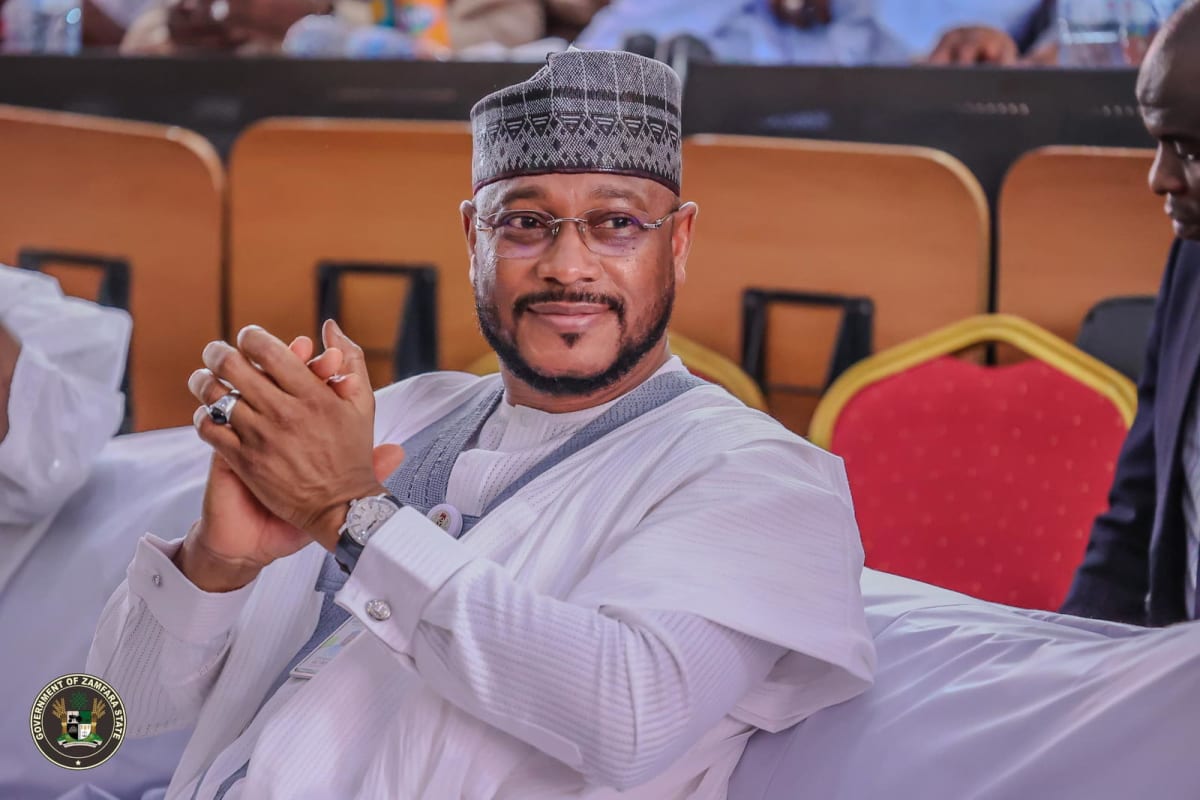
Health Minister Dr. Iziaq Adekunle Salako announced the milestone during World Malaria Day celebrations in Abuja, where the government also unveiled its next ambitious target. The new five-year plan aims to cut current infection and death rates in half again by 2030.
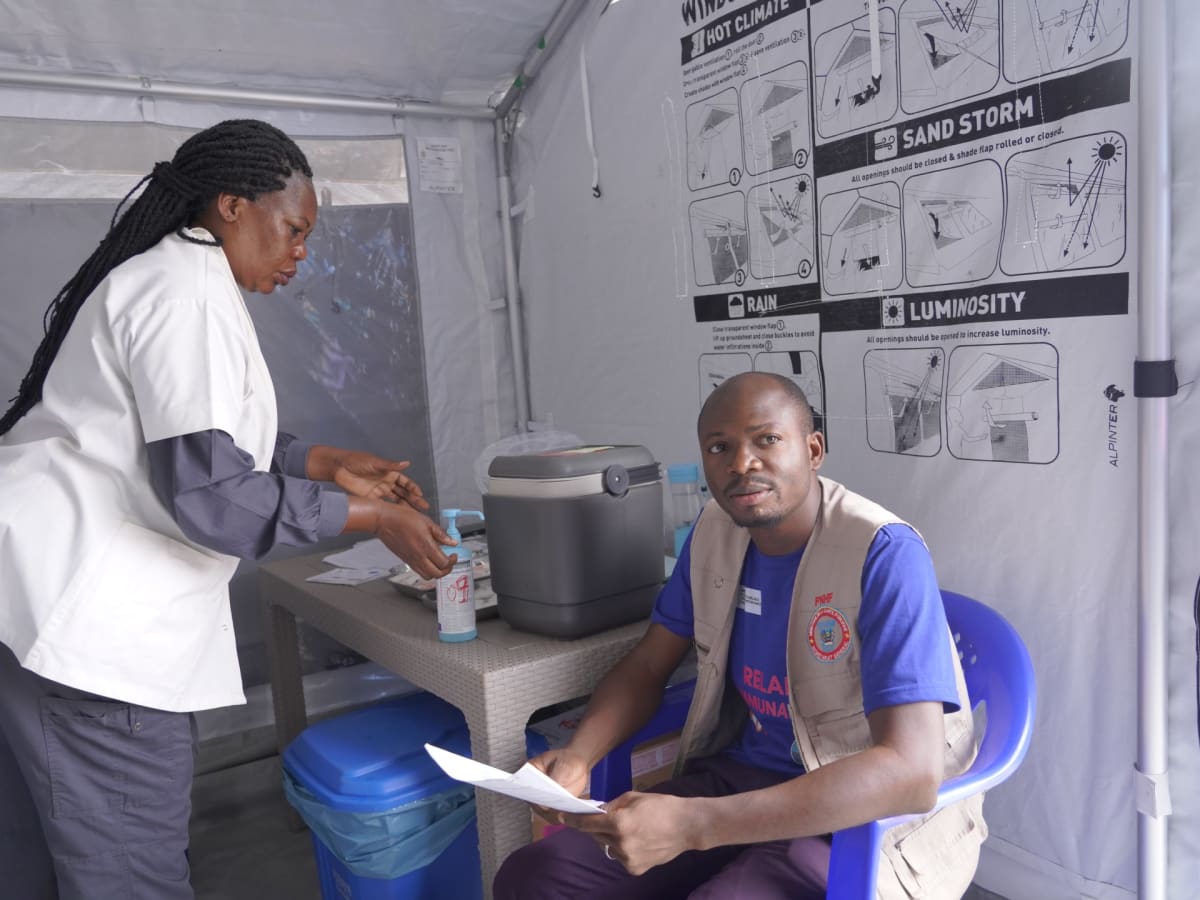
The progress didn't happen by accident. Since 2015, Nigeria has distributed over 500 million insecticide-treated bed nets to families across the country. These simple but effective barriers stop mosquitoes from biting people while they sleep, breaking the cycle of infection.
The government also launched one of Africa's largest child-focused prevention programs, providing malaria-preventing medicines to 29 million children under age five in 21 states. In December 2024, Nigeria began rolling out malaria vaccines in select states, already reaching over 700,000 young children.
The Ripple Effect
Nigeria's success ripples far beyond its borders. As Africa's most populous nation, the country's progress demonstrates that malaria elimination is achievable even in places where the disease has thrived for generations.
The government created a special Advisory on Malaria Elimination in Nigeria, bringing together global health experts to guide strategy with real evidence and technical support. They're also testing innovative approaches like Larval Source Management in six states, targeting mosquito breeding sites directly through environmental interventions.
Minister Salako emphasized that the plan reflects different realities across Nigeria's diverse regions and communities. With support from international partners, the program is expanding to 11 additional states this year, customizing interventions to work where people actually live.
The World Health Organization's Nigeria representative confirmed what the numbers already show: with sustained investment, innovation, and leadership, wiping out malaria completely is within reach.
Every percentage point drop represents real families sleeping peacefully, real children growing up healthy, and real communities freed from a burden that drains both lives and economic potential.
More Images


Based on reporting by AllAfrica - Health
This story was written by BrightWire based on verified news reports.
Spread the positivity!
Share this good news with someone who needs it