12 Heroes Saving Endangered Species From Extinction
Scientists and conservationists across four continents are pulling critically endangered animals back from the brink, from Colombia's tiny cotton-top tamarins to India's majestic tigers. Their community-focused programs are proving that extinction doesn't have to be inevitable.
A generation of wildlife heroes is rewriting the story of extinction, and the results are showing up in forest canopies, river basins, and mountain ranges around the world.
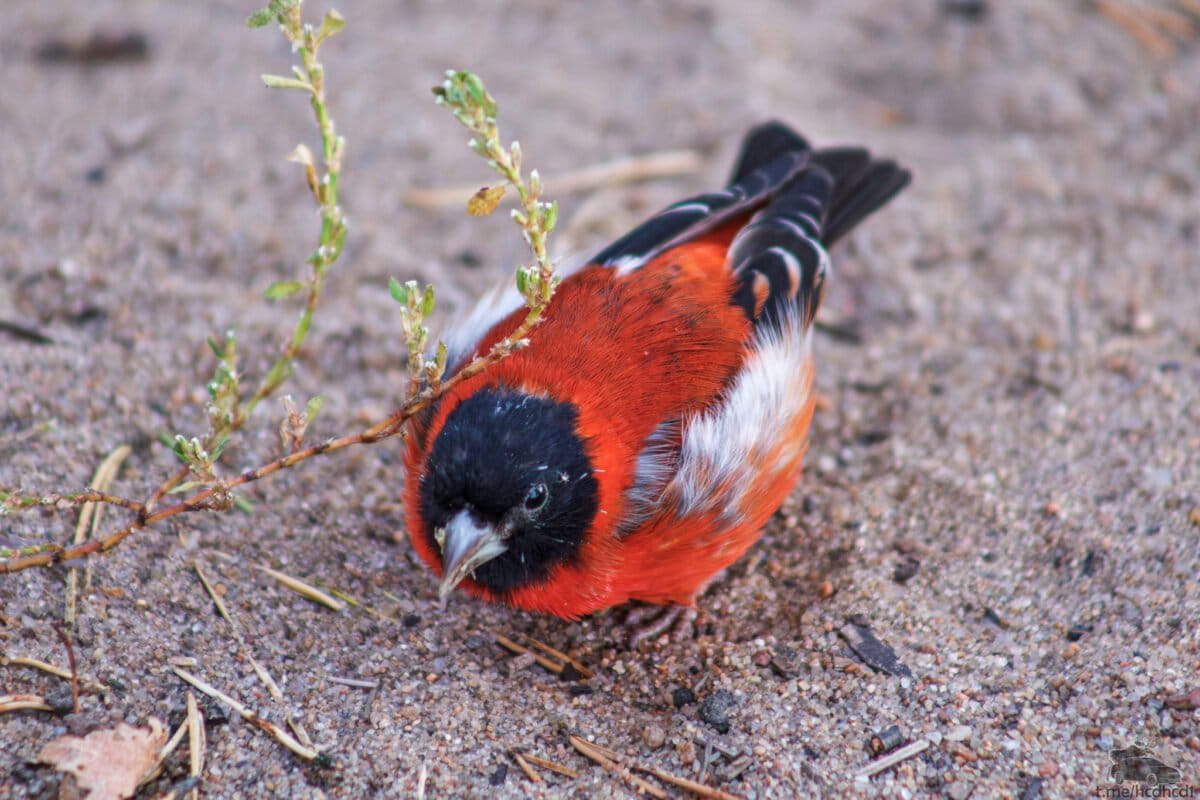
Dr. Anne Savage still remembers her first encounter with cotton-top tamarins in Colombia's tropical forests. The one-pound primates, crowned with shocking white hair, chirped like birds from the treetops. She founded Proyecto Tití in 1985 after discovering only 7,500 of these tiny primates remained in the wild, prompting their upgrade to Critically Endangered status.
Her approach goes beyond traditional conservation. The program trains local women to make reusable bags from waste plastic, creating income that reduces pressure on the forests. It's conservation that feeds families while saving species.
Halfway across the world, Dr. Anish Andheria is protecting India's tigers through the Wildlife Conservation Trust. His organization works across 160 protected areas in 23 Indian states, covering most of the country's 58 tiger reserves. The results speak volumes: India's wild tiger population jumped from 2,967 in 2018 to 3,682 in 2022.
Andheria also created "Kids for Tigers," a conservation education program that reaches a quarter million children annually across 750 schools. Today's students are tomorrow's protectors.
In Brazil's Araguaia River basin, Dr. Silvana Campello works to save a dolphin species so new to science it was only described in 2014. The pink Araguaian river dolphin, with fewer than 1,000 individuals remaining, faces threats from hydroelectric dams and illegal fishing. Campello's Instituto Araguaia partners with local fishing communities to develop protection strategies that work for both dolphins and people.
Dr. Ghana Gurung tracks snow leopards across Nepal's challenging mountain terrain using camera traps and genetic monitoring. These "enigmatic creatures" of the high peaks represent a new frontier in conservation science, where cutting-edge technology meets ancient landscapes.
The Ripple Effect
These twelve conservationists share a common thread: they build programs with communities, not around them. When local women earn income making eco-friendly bags, they become forest guardians. When fishermen help protect dolphins, conservation becomes a shared mission instead of an imposed rule.
The recognition follows the results. Several have received the Whitley Award, nicknamed the "Green Oscar," along with grants from major conservation foundations. But the real awards swim in rivers, prowl through forests, and leap between mountain peaks.
Each species saved represents countless others protected under the same umbrella. Tiger reserves shelter entire ecosystems. Dolphin conservation keeps rivers healthy for everyone. Forest restoration for tamarins cleans air across continents.
The next generation is already learning, already caring, already ready to continue the work when these pioneers pass the torch.
Based on reporting by Google: species saved endangered
This story was written by BrightWire based on verified news reports.
Spread the positivity!
Share this good news with someone who needs it