120-Year-Old Museum Bear Helps Fight Wildlife Crime
A PhD student is using hair from Boris, a beloved taxidermy bear at a UK museum, to develop better methods for identifying animals in poaching investigations. This breakthrough could make solving wildlife crimes faster and more affordable.
A stuffed bear who's been delighting museum visitors for nearly a century is now helping protect his living relatives from poachers.
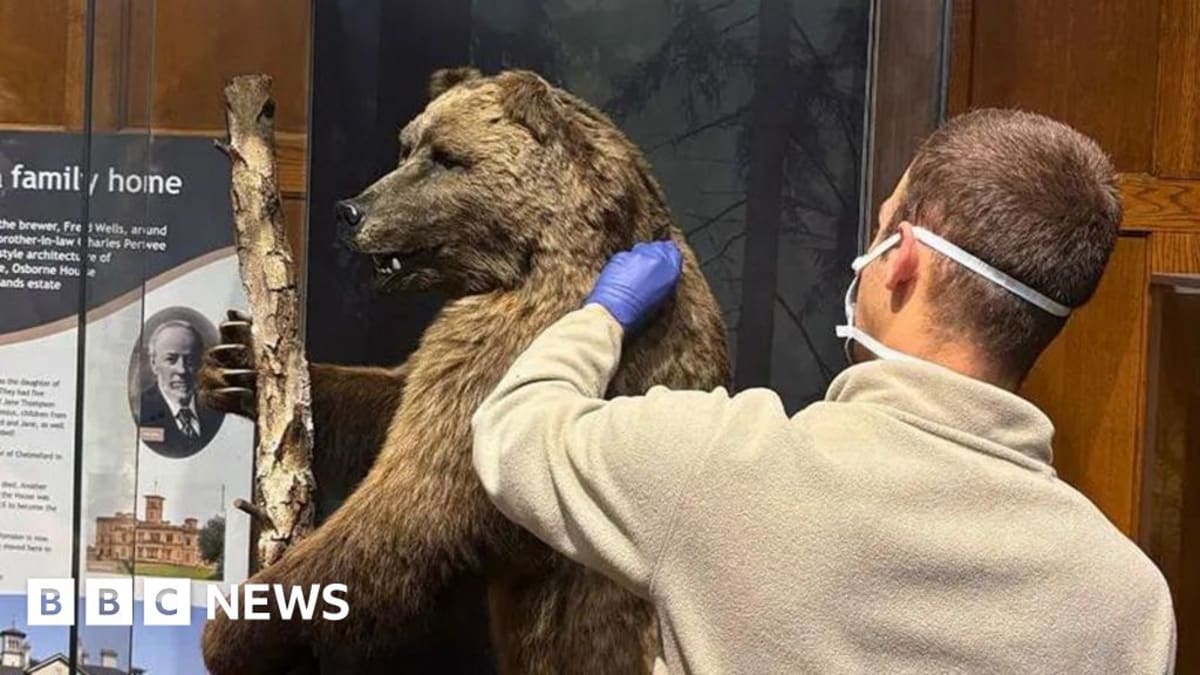
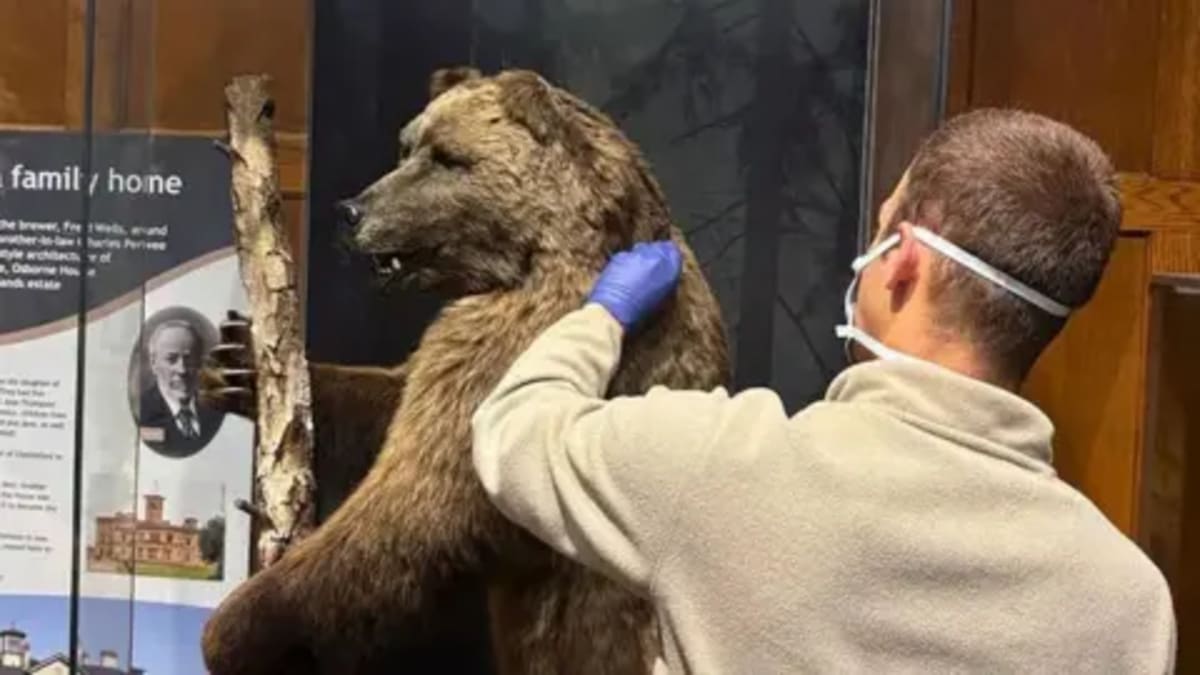
Boris the bear has stood guard at the Museum of Chelmsford in Essex since 1932, when a local game hunter donated him as part of a large taxidermy collection. Now the 120-year-old exhibit is playing an unexpected role in the fight against wildlife crime.
Hayden Leigh, a forensic science graduate student at the University of Staffordshire, is analyzing samples of Boris's fur to improve how investigators identify animal hairs found at crime scenes. His research focuses on examining the microscopic details of the bear's fur, including its cuticles, different layers, and DNA patterns.
The goal is to create a more cost-effective and reliable alternative to expensive DNA testing. Right now, most animal hair studies focus on domestic pets like dogs and cats, but Leigh wanted to expand the research to help protect wild animals from illegal poaching and trafficking.
Finding research subjects proved challenging at first. Leigh approached about 30 zoos and museums before Chelmsford agreed to help, and Boris turned out to be the perfect specimen for the job.
Working with preserved museum animals offers major advantages over studying live wildlife. Researchers can examine authentic animal hair in a controlled, ethical environment without disturbing or stressing living creatures. Museum specimens also provide consistent samples that can be studied repeatedly over time.
Boris's contribution is particularly valuable for protecting brown bears, which still roam wild in Romania, Bulgaria, and Russia. By mapping the microscopic characteristics of bear hair and documenting how it varies across different parts of the body, Leigh is building a reference library that crime investigators can use to identify species and potentially trace illegal hunting.
The Ripple Effect
This research demonstrates how museum collections can serve science in unexpected ways. Historic taxidermy specimens, sometimes viewed as controversial relics, are proving their worth as research tools for modern conservation efforts.
Councillor Jennie Lardge of Chelmsford City Council celebrated the project as proof that old collections still matter. She noted it's "wonderful" that Boris's legacy will be protecting other animals from illegal hunting, highlighting the scientific value museums hold in 2026.
The research could transform wildlife crime investigations worldwide by making them faster, cheaper, and more accessible to law enforcement agencies with limited budgets.
Boris continues standing watch at his museum post, now serving a new generation in ways his original owner never imagined.
More Images

Based on reporting by BBC Science
This story was written by BrightWire based on verified news reports.
Spread the positivity!
Share this good news with someone who needs it