13-Year-Old Turtle Lays 8 Eggs in Conservation Win
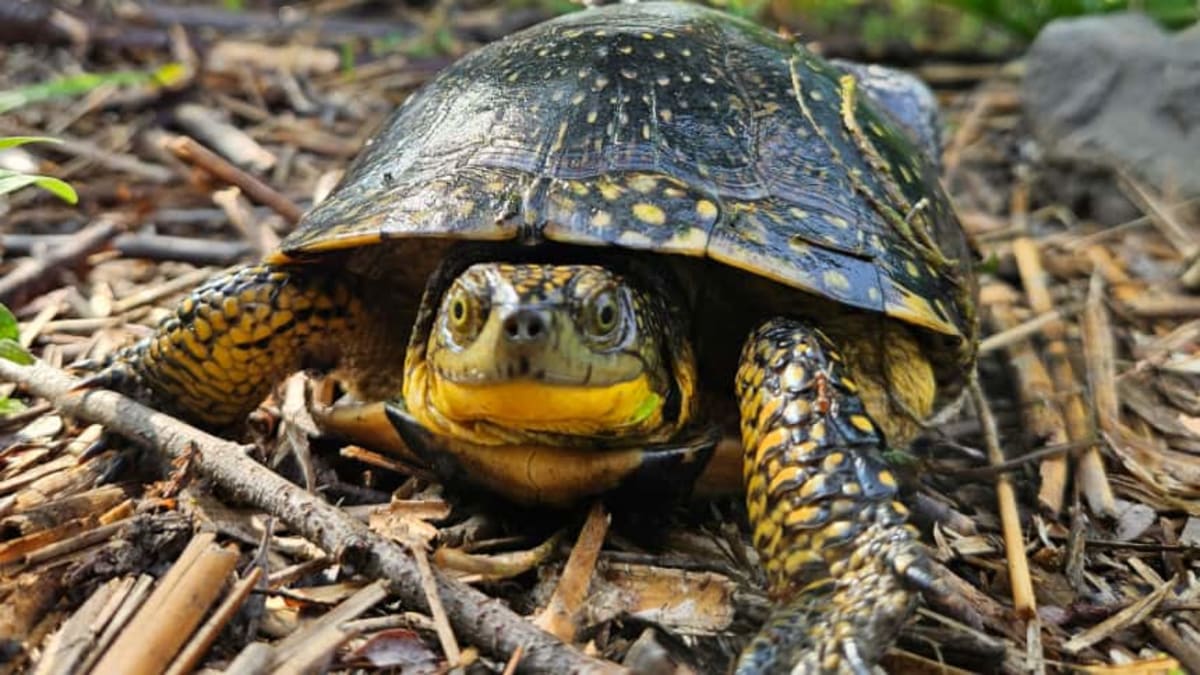
A turtle named Juniper just laid eight eggs in Ontario's Rouge National Park, marking the first proof that a 13-year conservation effort is working. The endangered Blanding's turtle was released into the wild in 2015, and her nesting success shows patience pays off when protecting species.
After years of waiting, conservationists in Ontario just got the proof they needed that their work is saving an endangered species.
Juniper, a 13-year-old Blanding's turtle, was recently found carrying eight eggs in Rouge National Park. She's the first turtle from a 2012 reintroduction program to reproduce in the wild, giving scientists hope that the endangered species can rebuild its population.
When the program started in 2012, fewer than 10 Blanding's turtles lived in the Rouge wetlands. Parks Canada and the Toronto Zoo began releasing captive-bred turtles back into their natural habitat, including Juniper in 2015.
These bright yellow-throated turtles take their time growing up. They need 14 to 20 years to reach breeding age, which means conservation teams had to wait over a decade to see if their efforts would succeed.
"It's a long-term thing, and we took that risk," said Toby Thorne, who leads the field conservation team at the Toronto Zoo. The slow pace of turtle reproduction means every egg counts.
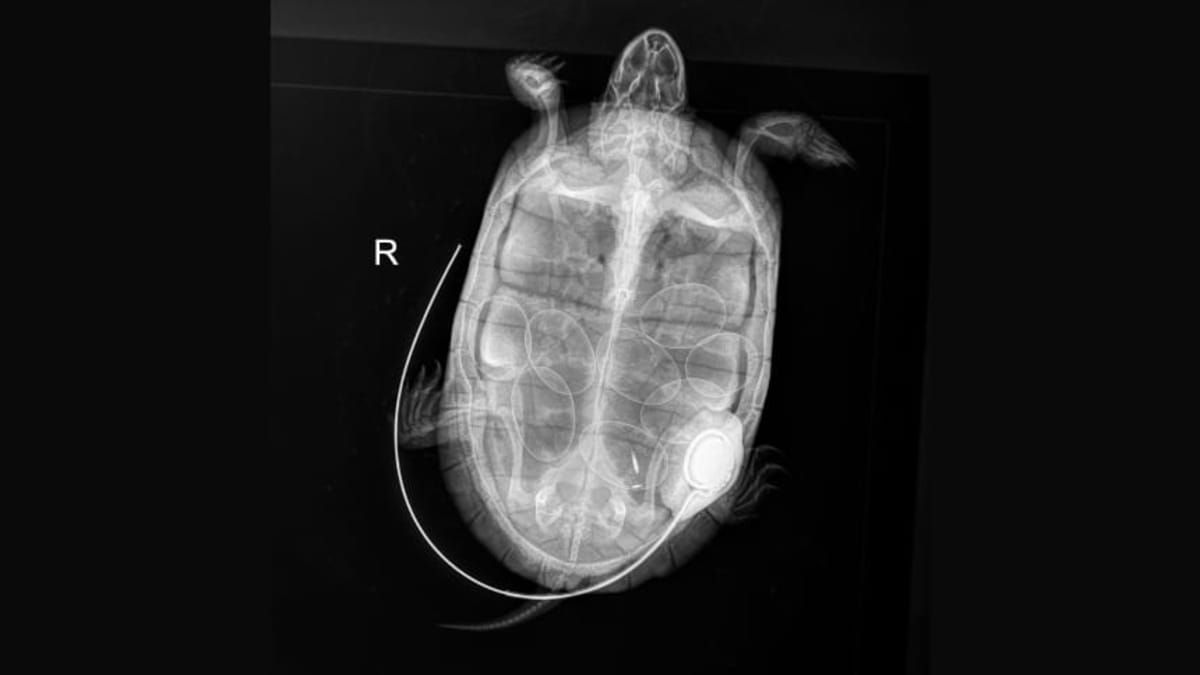
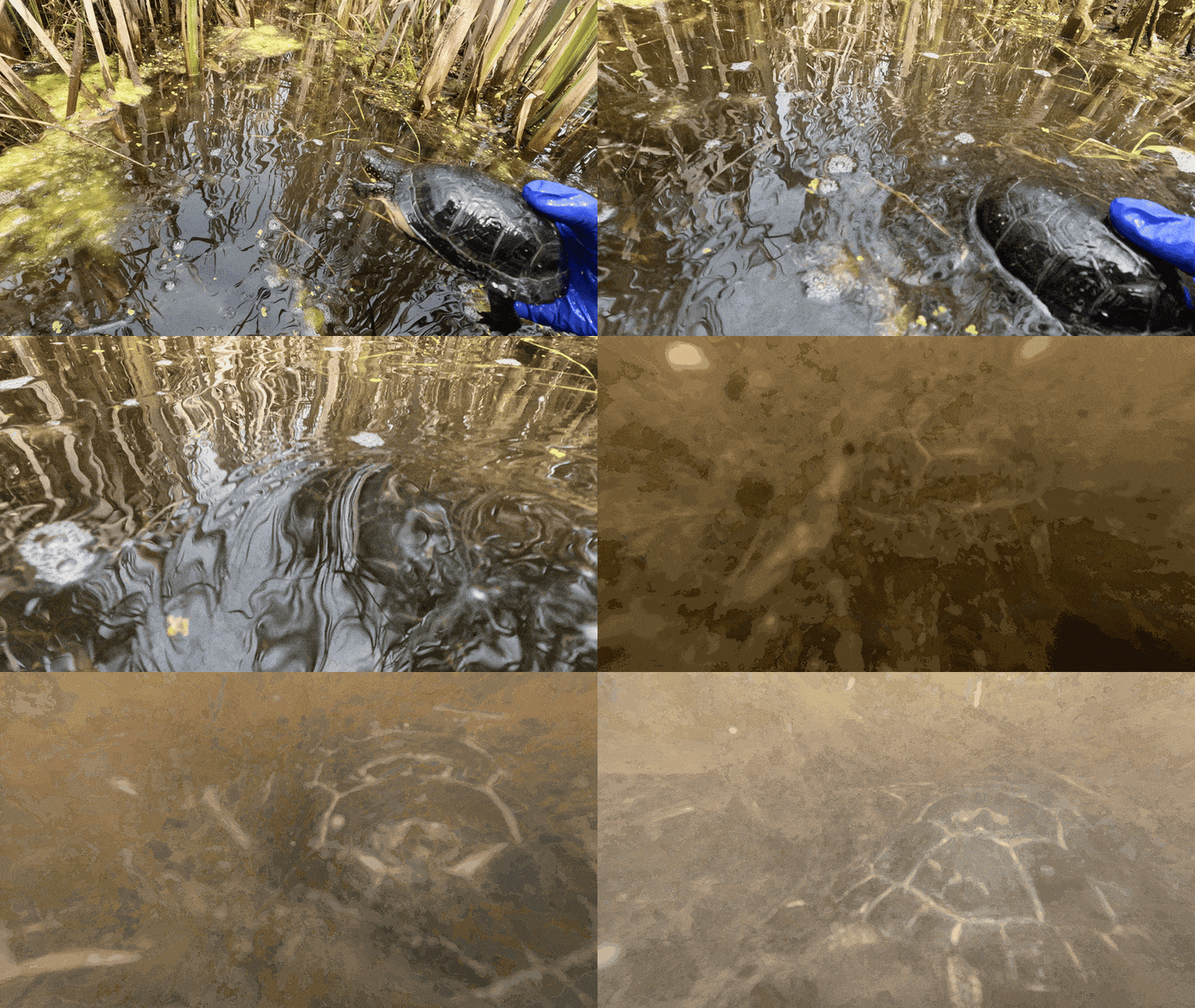
Zoo staff discovered Juniper's eggs through an X-ray. They equipped her with a GPS tracker and radio transmitter to monitor her movements as she searches for the perfect nesting spot in the wetlands.
The team plans to collect the eggs once Juniper lays them so they can be safely incubated at the zoo. In the wild, turtle eggs face threats from predators and environmental challenges that make hatching uncertain.
Blanding's turtles struggle to survive because of habitat loss and road accidents. They travel farther than almost any other Ontario turtle when nesting, and expanding human development has cut through their natural routes. The species has been listed as endangered since 2016.
The Ripple Effect
Saving Blanding's turtles does more than protect one species. Healthy turtle populations signal thriving wetlands, which filter water and support countless other plants and animals.
"Our lives, our families, our jobs, our health all depend on nature being healthy," said Aerin Jacob, director of science at the Nature Conservancy of Canada. Protected spaces where turtles nest are the same places that keep drinking water clean for nearby communities.
The Toronto Zoo releases new turtles into Rouge wetlands each year at undisclosed locations to prevent poaching. Baby Blanding's turtles start life the size of a toonie, about four centimeters long, making them vulnerable in their early years.
Field technicians will watch Juniper closely in the coming evenings as she prepares to nest. Even if they miss the exact moment she lays her eggs, the GPS data will show them where to look.
Whether all eight eggs will hatch remains unknown, but Juniper's pregnancy alone proves the conservation program is working.
More Images

Based on reporting by Google News - Conservation Success
This story was written by BrightWire based on verified news reports.
Spread the positivity!
Share this good news with someone who needs it