1,300-Year-Old Poem Found Hidden in Italian Library
Researchers discovered a rare copy of the oldest English poem hiding in plain sight inside a ninth-century manuscript in Rome. The find sheds new light on how early readers treasured English poetry.
A farm worker's 1,300-year-old poem just surprised researchers who thought they knew where every copy existed.
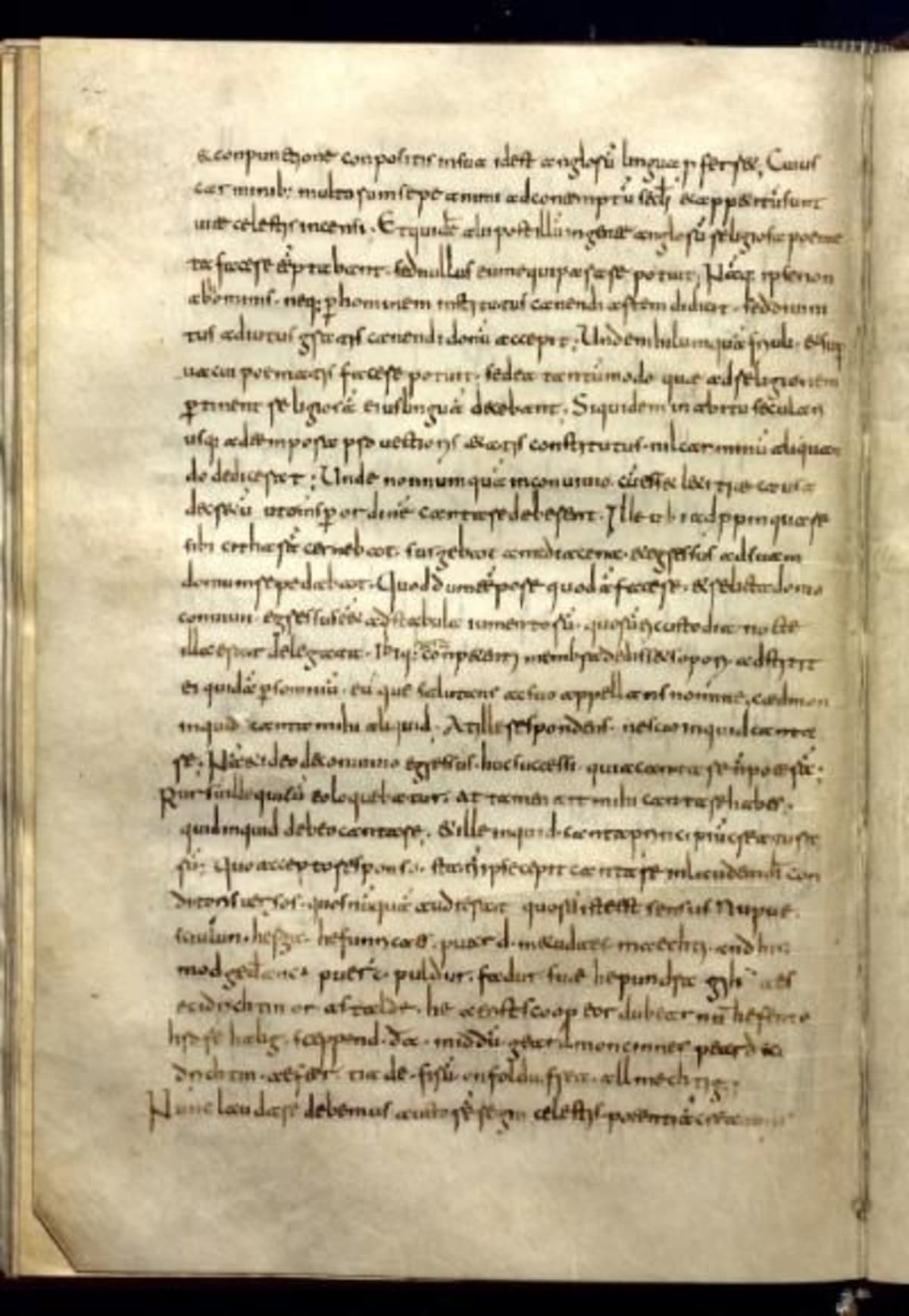
Two scholars at Trinity College Dublin were digitally exploring manuscripts when they spotted something unexpected in a ninth-century book at Rome's National Central Library. Tucked inside was a previously unknown copy of Caedmon's Hymn, written in the original Old English.
The discovery left researcher Elisabetta Magnanti genuinely stunned. "We were speechless," she told reporters. "We couldn't believe our eyes when we first saw that."
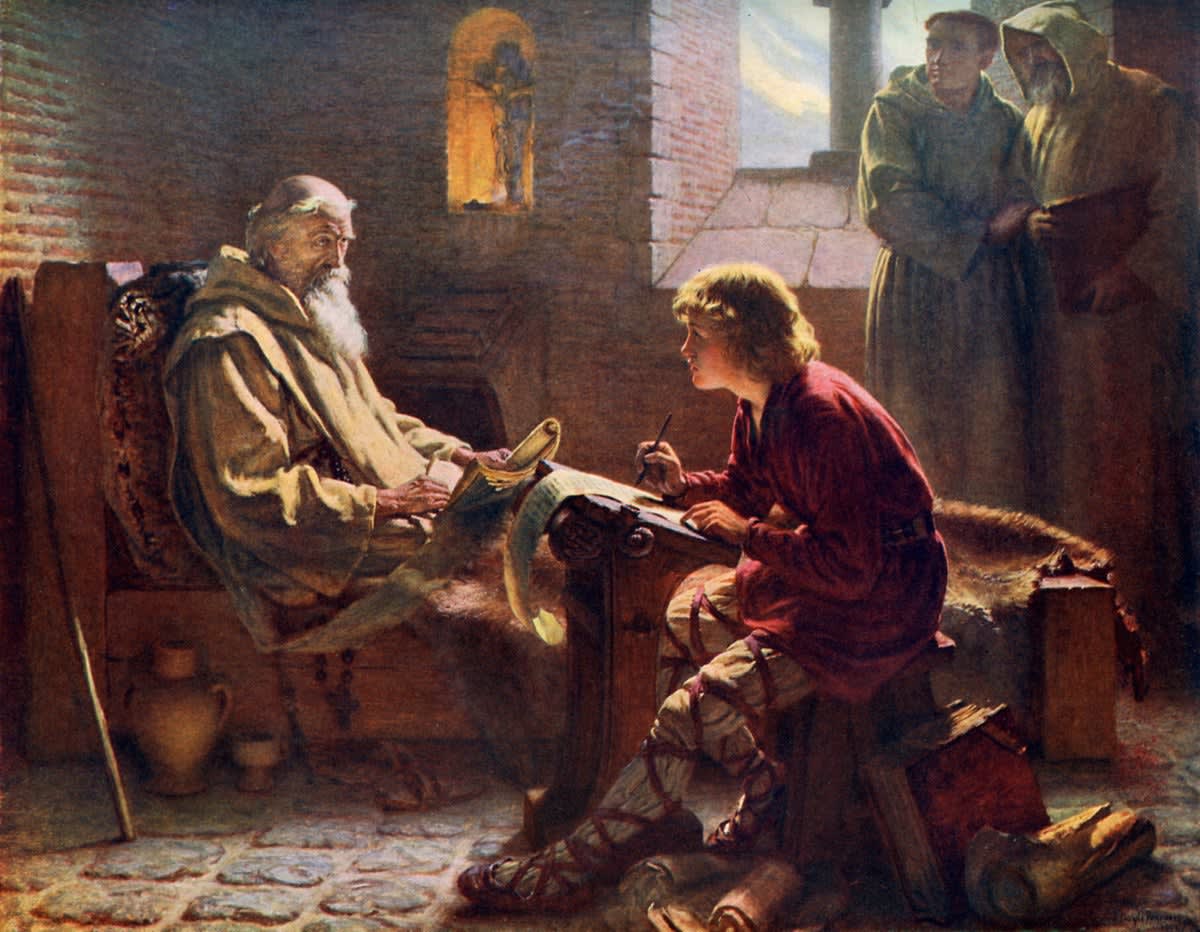
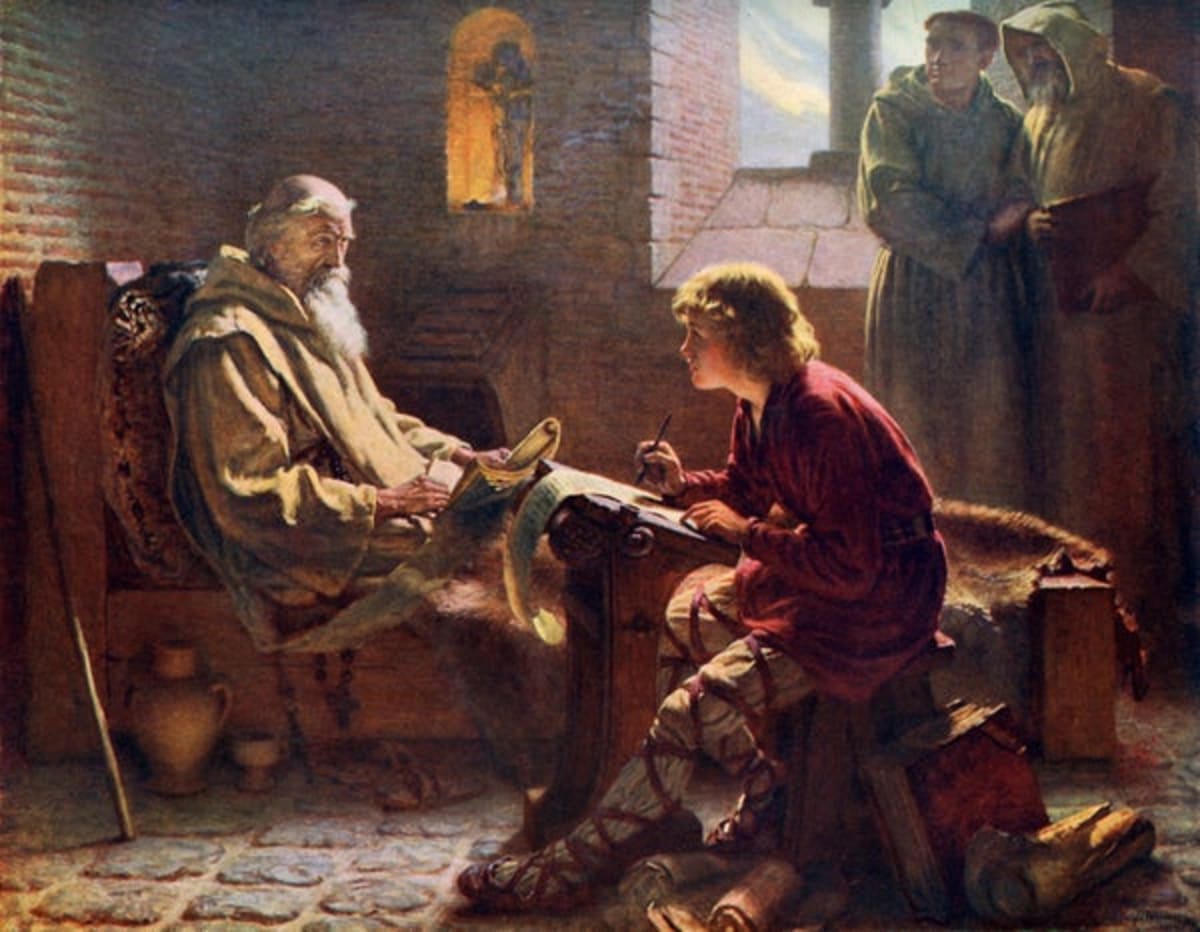
Caedmon's Hymn holds a special place in literary history. According to the Venerable Bede, an English monk who documented early Christianity in England, a cowherd named Caedmon composed the nine-line poem after experiencing a religious dream in Whitby, England around 680 AD.
The poem celebrates creation and praises the "eternal Lord" who shaped the earth for humankind. It's widely recognized as the beginning of English literature, the oldest known poem in Old English.
What makes this discovery particularly exciting is how the poem appears in the manuscript. Most surviving copies of Bede's history include the hymn translated into Latin, with Old English versions sometimes scribbled in later by readers. This newly found version appears as part of the main text itself.
That detail tells researchers something important about early medieval culture. Bede originally chose to translate the English poem into Latin for his history book. But within 100 years, someone valued the original language enough to reinsert it into the Latin text.
Why This Inspires
The timing matters more than you might think. Old English was spoken during the early Middle Ages, but most surviving texts date to the 10th and 11th centuries, hundreds of years after Caedmon's time.
Professor Mark Faulkner, who led the research, explains the significance. "Unearthing a new early medieval copy of the poem has significant implications for our understanding of Old English and how it was valued," he said.
The discovery shows that even in an era when Latin dominated scholarly work, people recognized something worth preserving in their native English poetry. They didn't just read it or appreciate it. They carefully copied it and wove it into important historical texts.
That ninth-century scribe, working by candlelight in a monastery somewhere, made a choice that echoes across more than a millennium. They decided the cowherd's words mattered in their original form.
Today, thanks to digitization efforts making ancient manuscripts accessible worldwide, two researchers could spot what countless others had missed. The oldest voice in English literature just got a little louder.
More Images
Based on reporting by Scientific American
This story was written by BrightWire based on verified news reports.
Spread the positivity!
Share this good news with someone who needs it


%2Fhttps%3A%2F%2Ftf-cmsv2-smithsonianmag-media.s3.amazonaws.com%2Ffiler_public%2F12%2F05%2F120524e1-9e51-48cf-8d22-2d033533e6ef%2Fodyssey-fragment.png)