Tennessee's Civil Rights Trail Preserves Movement History
Eight landmarks across Tennessee tell the powerful story of the Civil Rights Movement, from Dr. King's final speech to the studios where music broke color barriers. These sites keep alive the courage and strategies that transformed America.
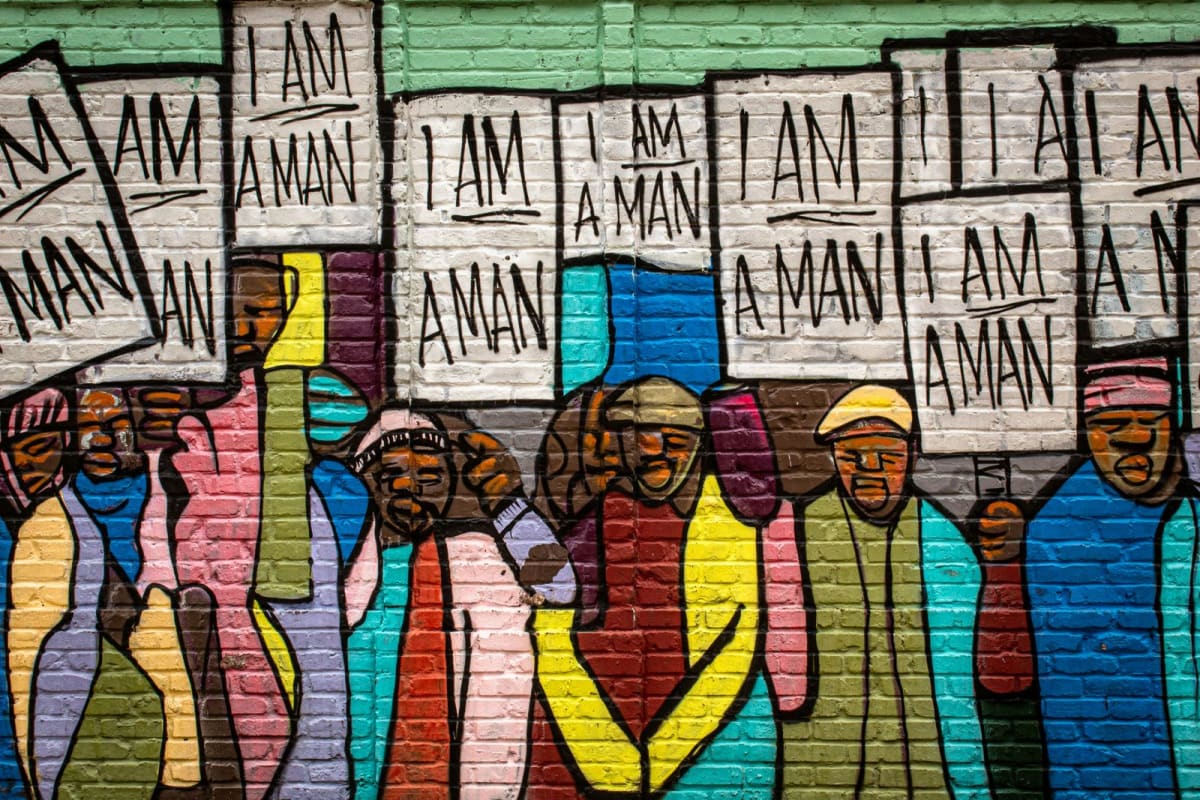
On a stormy April night in 1968, Dr. Martin Luther King Jr. almost stayed home. But a thousand sanitation workers were waiting at Mason Temple in Memphis, so he went and delivered what became his final speech.
That moment is just one piece of Tennessee's remarkable Civil Rights story. Eight landmarks across the state now form part of the U.S. Civil Rights Trail, preserving the places where ordinary people made history through extraordinary courage.
At the National Civil Rights Museum, built around the preserved Lorraine Motel, Room 306 remains exactly as it was on April 4, 1968, when Dr. King was assassinated. The museum traces the freedom struggle from 1619 to 2000, and this May opens an expanded Legacy Experience connecting past movements to present work.
Memphis's Beale Street shows how resilience builds over generations. After yellow fever devastated the area in the 1870s, formerly enslaved businessman Robert Church rebuilt the street into a thriving Black commercial district with banks, newspapers, and churches that served the community for decades.
The Stax Museum celebrates another kind of breakthrough. In the rigidly segregated 1960s, musicians of all races recorded together at Stax Records, creating soul music so powerful it helped break down the very barriers surrounding them.
Nashville's story centers on student courage. In 1960, college students from four schools trained rigorously in nonviolent resistance, then sat down at segregated lunch counters and refused to leave, setting a standard for peaceful protest nationwide.
The Jefferson Street Sound Museum documents how freedom songs like "We Shall Overcome" traveled from churches into marches. Music and movement strengthened each other in ways that still resonate today.
In tiny Clinton, Tennessee, federal integration law became reality when students peacefully integrated the local high school despite fierce resistance. Their quiet determination proved change was possible everywhere.
The Ripple Effect
These landmarks do more than preserve history. They show how sustained courage, creative resistance, and community solidarity can transform an entire nation. The strategies developed in Tennessee churches, recording studios, and lunch counters spread across America, inspiring millions to demand justice.
Today, over 100,000 visitors walk through these sites annually, learning how movements build through small acts of bravery multiplied across communities. Teachers bring students to understand that progress requires both vision and persistence.
The trail reminds us that democracy isn't given but built, day by day, by people who refused to accept injustice as permanent.
More Images
%2Fhttps%3A%2F%2Ftf-cmsv2-smithsonianmag-media.s3.amazonaws.com%2Ffiler_public%2F14%2Fef%2F14ef0661-7c95-4559-a4a9-878640ecd559%2Fjoshua-j-cotten-m71xfclny6o-unsplash.jpg)
%2Fhttps%3A%2F%2Ftf-cmsv2-smithsonianmag-media.s3.amazonaws.com%2Ffiler_public%2F04%2F10%2F04108b60-0802-48e9-b61c-8c40d567de74%2Ftn_memphis_masontemple_0_1.jpg)
%2Fhttps%3A%2F%2Ftf-cmsv2-smithsonianmag-media.s3.amazonaws.com%2Ffiler_public%2Ff7%2F1b%2Ff71b2fee-ceb0-4bc2-ab3b-85a39197b03d%2Fmemphissanitationstrike_med_2.jpg)
Based on reporting by Smithsonian
This story was written by BrightWire based on verified news reports.
Spread the positivity!
Share this good news with someone who needs it

%2Fhttps%3A%2F%2Ftf-cmsv2-smithsonianmag-media.s3.amazonaws.com%2Ffiler_public%2F12%2F05%2F120524e1-9e51-48cf-8d22-2d033533e6ef%2Fodyssey-fragment.png)