14 Predators Hunt at Ugandan Bat Cave in Stunning Footage
Scientists captured never-before-seen footage of leopards, monkeys, and eagles hunting together at a cave housing 40,000 fruit bats in Uganda. The remarkable discovery could help researchers understand how animals build immunity to deadly viruses.
📺 Watch the full story above
Imagine 14 different predators descending on the same spot, hunting side by side without fighting over territory. That's exactly what scientists witnessed at Python Cave in Uganda's Queen Elizabeth National Park.
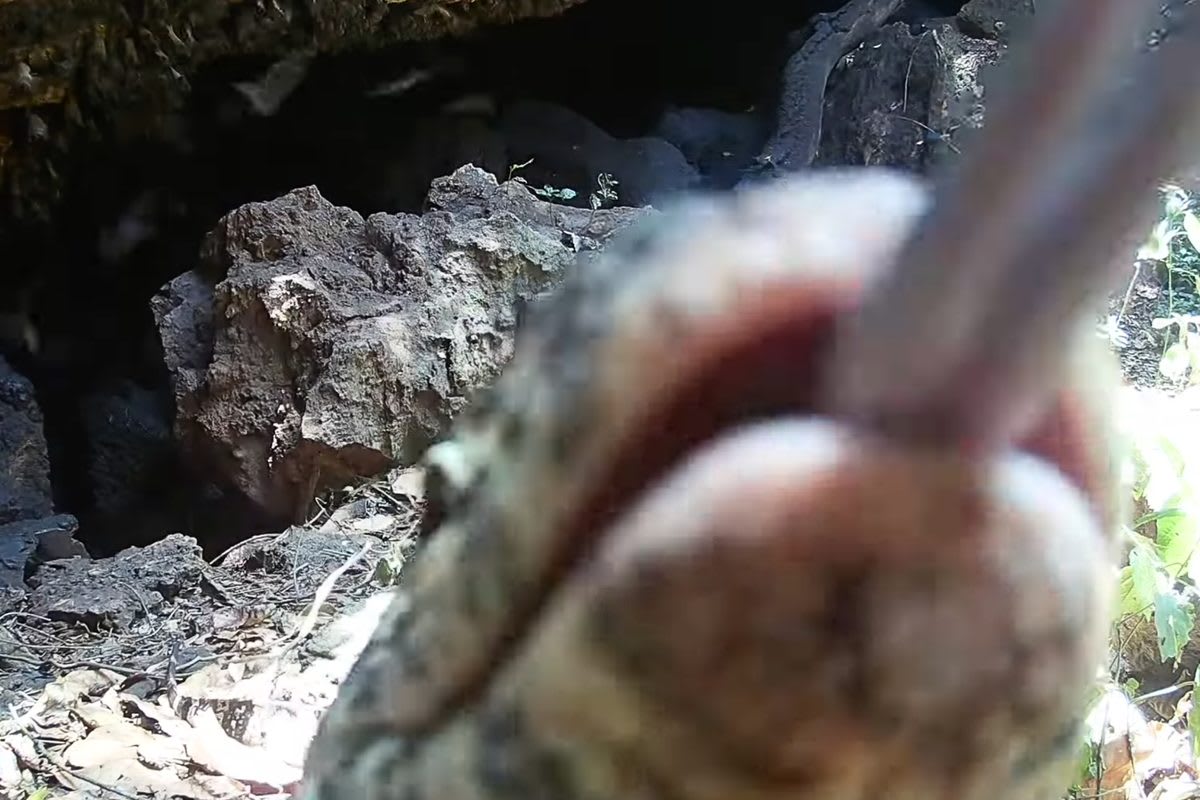
Researchers from the Kyambura Lion Project spent 360 nights filming the cave, home to around 40,000 Egyptian fruit bats. What they captured was extraordinary: leopards bounding out with bats in their mouths, blue monkeys snatching them mid-flight, crowned eagles pinning down struggling prey, and even Nile monitors joining the feast.
"We were very excited as a team capturing those behaviours," says study author Alexander Braczkowski. The footage, published in Current Biology, represents the most comprehensive visual dataset of predators interacting with a filovirus reservoir anywhere in the world.
The cave's unique structure makes it a predator paradise. Collapsed roof sections and large guano mounds have eliminated the usual spatial buffer between hunters and prey. Overcrowded bats fall, crawl, or occupy low crevices, making them accessible to ground predators that normally couldn't reach them.
The abundance of prey created an unusual truce. Different species hunted together peacefully, though researchers did catch one clash between a crowned eagle and Nile monitor fighting over a bat.
Why This Inspires
Beyond the stunning visuals, this research offers hope for understanding one of medicine's greatest challenges: how viruses jump between species. The bats carry Marburg virus, which causes a hemorrhagic fever similar to Ebola in humans. Yet these predators hunt the infected bats regularly without getting sick.
Scientists believe studying these interactions could reveal how some animals build natural immunity to deadly pathogens. That knowledge could prove critical for preventing future disease outbreaks and developing treatments.
The research also highlights an important conservation lesson: when prey is abundant enough, even natural competitors can coexist peacefully. The team documented predators that would typically be territorial sharing the same hunting ground without conflict.
This groundbreaking footage shows nature's resilience and adaptability while opening doors to medical discoveries that could protect both wildlife and humans for generations to come.
Based on reporting by Google News - Health
This story was written by BrightWire based on verified news reports.
Spread the positivity!
Share this good news with someone who needs it