14-Year-Old Uses Origami to Solve Engineering Problems
A teenager is proving that ancient paper folding can tackle modern challenges. Miles Wu shows how origami creates structures strong enough to hold 10,000 times their own weight.
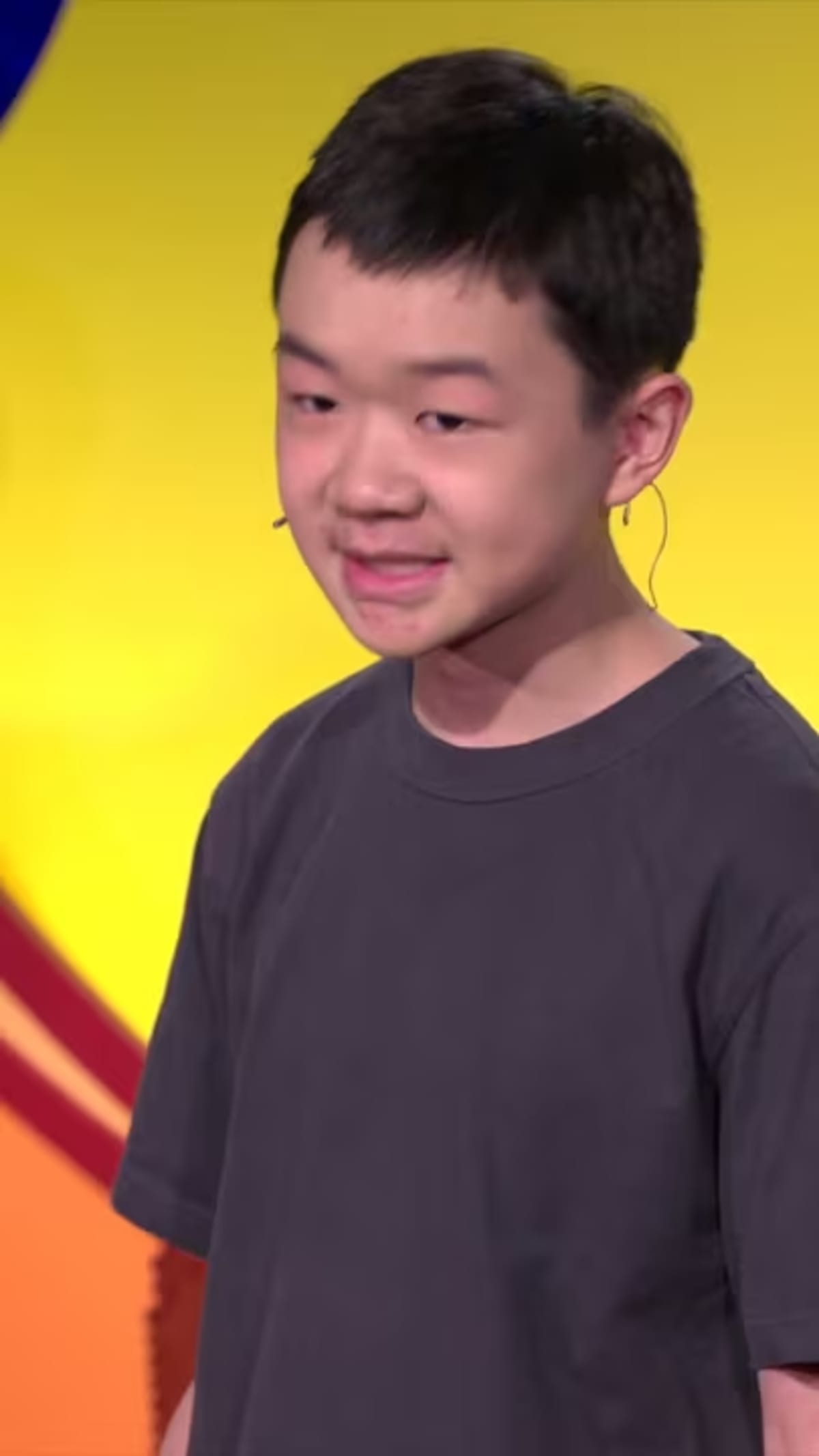
Most 14-year-olds collect video games or sports cards, but Miles Wu collects something different: the infinite possibilities hiding inside a single sheet of paper.
The young student recently took the TED stage to share his passion for origami, the ancient Japanese art of paper folding. What started with making Christmas ornaments and paper pigeons has evolved into something far more significant.
Wu discovered that origami isn't just an art form. It's a powerful engineering tool that scientists and designers are using to solve real-world problems today.
The geometry behind paper folding creates surprisingly strong structures. Some origami patterns can support 10,000 times their own weight, making them valuable for everything from space technology to emergency shelters.
NASA has used origami principles to design solar panels that fold compactly for launch and expand in space. Medical researchers apply the same concepts to create tiny surgical tools that unfold inside the human body. Even the automotive industry uses origami-inspired designs for airbags that deploy in milliseconds.
Wu transforms everyday scraps of paper into creations that demonstrate these principles. Each fold teaches him about strength, efficiency, and the mathematical patterns that make complex structures possible from simple materials.
Why This Inspires
A teenager finding wonder in paper reminds us that innovation doesn't require expensive equipment or advanced degrees. Wu proves that curiosity, patience, and a willingness to learn from ancient traditions can unlock solutions to modern challenges.
His enthusiasm shows how traditional arts remain relevant in our high-tech world. The same principles that guided Japanese paper folders centuries ago now help engineers design lighter aircraft, more efficient packaging, and structures that adapt to their environment.
At an age when many kids are still figuring out their interests, Wu has discovered that something as simple as a piece of paper can connect past wisdom with future possibilities.
Every fold he makes is a small reminder that the best innovations often come from looking at old ideas with fresh eyes.
Based on reporting by TED
This story was written by BrightWire based on verified news reports.
Spread the positivity!
Share this good news with someone who needs it