Humanoid Robot Breaks 100m Record at Beijing Games
A humanoid robot just ran 100 meters in 9.39 seconds, breaking Usain Bolt's world record at the 2nd World Humanoid Robot Games in Beijing. Over 2,000 robots from 16 countries competed in 51 events, marking a major leap forward in robotics.
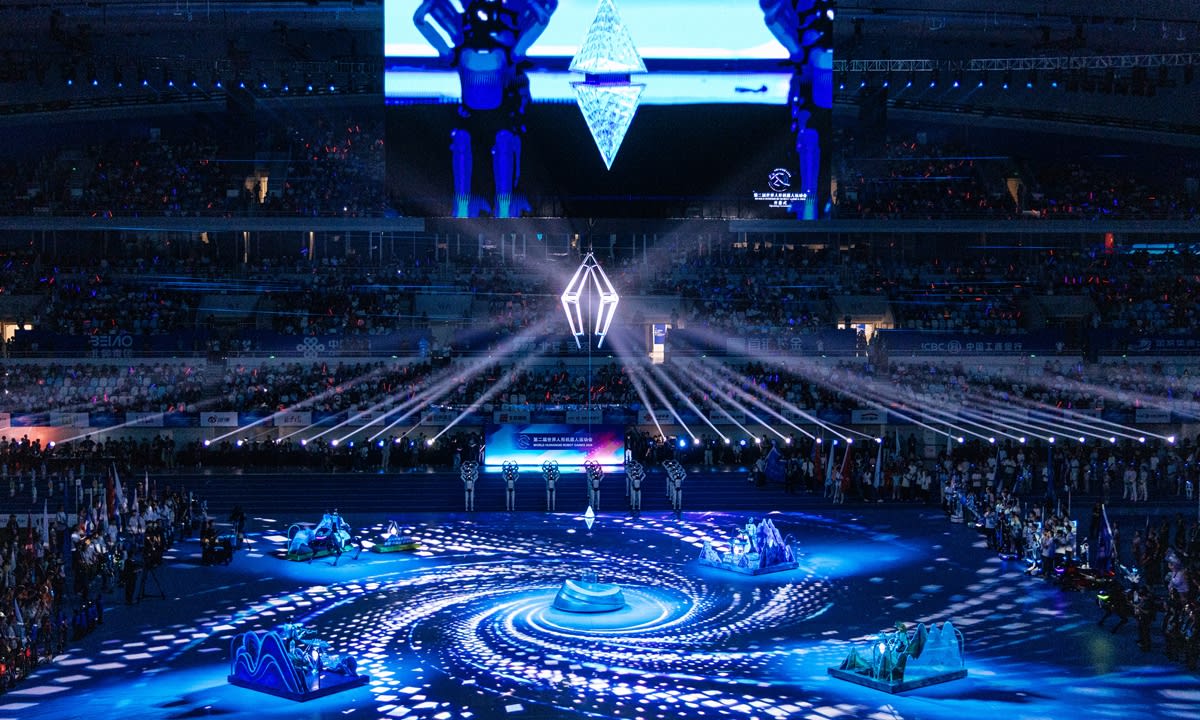
The lights dimmed inside Beijing's Ice Ribbon arena as a robot mounted on a robotic horse drew back a bow and fired an arrow that lit up the "Zhixin" intelligence chip. The crowd erupted as the 2nd World Humanoid Robot Games officially began.
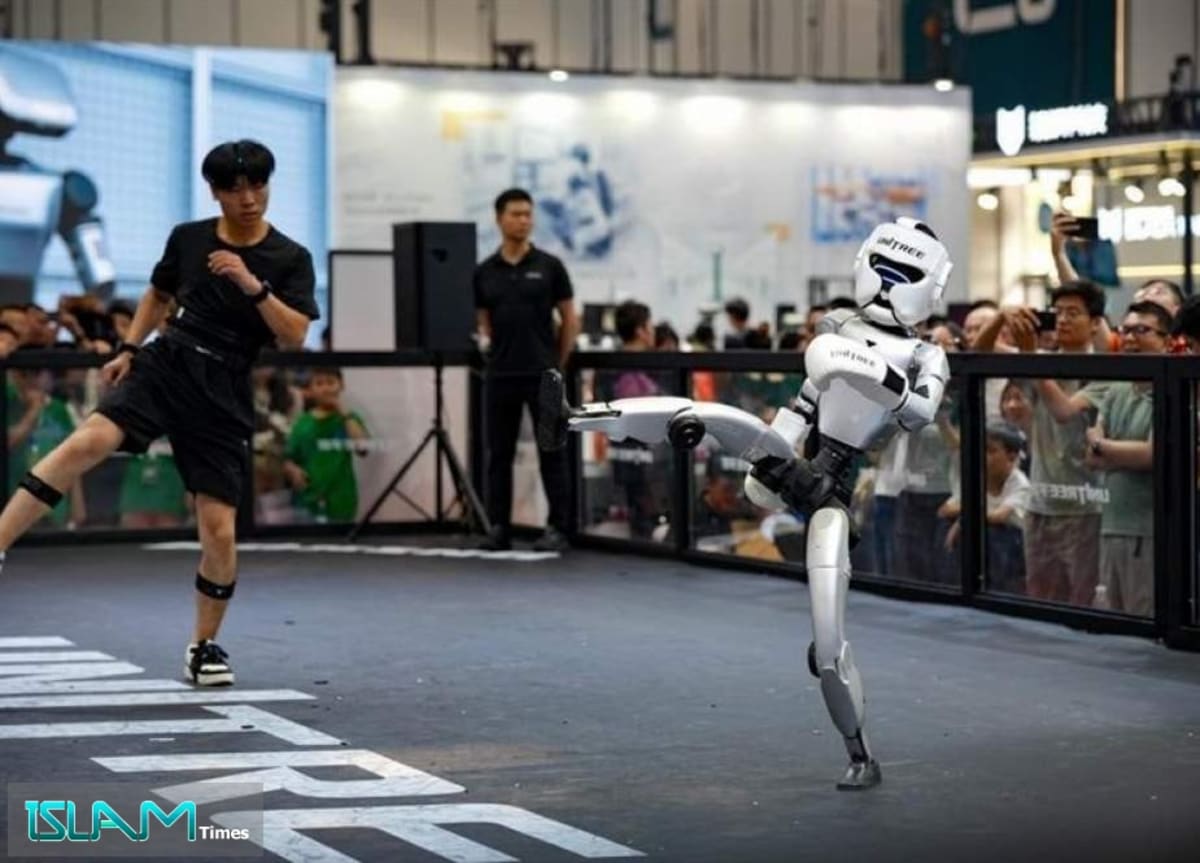
The spectacle that followed felt like science fiction brought to life. A humanoid robot blazed through the 100-meter sprint in 9.39 seconds, shattering Usain Bolt's 9.58-second human world record. Another robot soared to 288.43 centimeters in the standing high jump.
Both records were set by the Tien Kung Ultra humanoid robot, built by Beijing-based X-Humanoid. The company fielded 50 of its Tien Kung 3.0 robots, which marched autonomously without any remote control and even carried the games flag.
The games have exploded since their first edition. This year brought 2,056 robots from six continents, quadruple the number from last time. Competition events doubled from 26 to 51, with new additions like martial arts and dance making the contests more exciting for spectators.
What makes this year different is the emphasis on full autonomy. Nearly all events required robots to compete completely on their own, without human operators. Tasks completed autonomously scored full points, while remote-controlled performances scored only half.
The challenge of hosting robot athletes required serious innovation. Taishan Sports, the official equipment supplier, spent months redesigning everything from running tracks to soccer turf. Robots weigh far more than humans and need different surface friction and hardness.
"This is our first time serving robot games," said Man Fangfang, the company's vice director. The artificial turf had to be reworked to handle how robots play soccer, with non-slip and antistatic properties that human players never needed.
The opening ceremony showcased how far human-robot collaboration has come. Over a thousand robots appeared alongside people in performances, from a robot orchestra playing with human musicians to dance routines with children. Fifty Tien Kung 3.0 robots marched in formation, demonstrating the kind of coordination that seemed impossible just years ago.
The Ripple Effect
The robot games represent more than athletic entertainment. China's robotics industry is expanding into every sector, and companies like Taishan Sports are using these competitions to develop specialized equipment for an automated future. The emphasis on full autonomy pushes the industry toward its ultimate goal of robots completing complex tasks independently.
These games are helping robots and humans learn to work together in ways we're only beginning to imagine.
Based on reporting by Google News - Business
This story was written by BrightWire based on verified news reports.
Spread the positivity!
Share this good news with someone who needs it