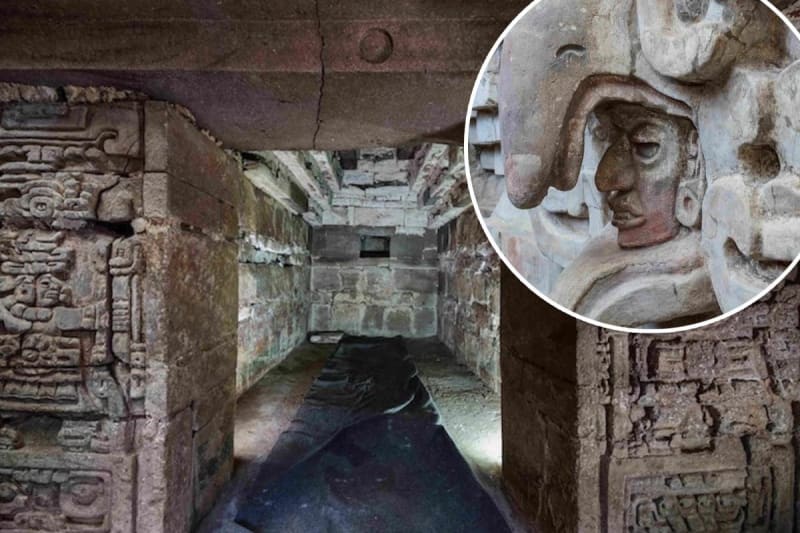
1,400-Year-Old Zapotec Tomb Uncovered in Southern Mexico
Archaeologists in Mexico just uncovered a stunning 1,400-year-old tomb built by the Zapotec civilization, complete with vibrant murals, carved stone figures, and a massive owl guarding the entrance. The discovery is being called the most significant archaeological find in Mexico this decade.
After 1,400 years of silence, the "Cloud People" are finally sharing their secrets with the world.
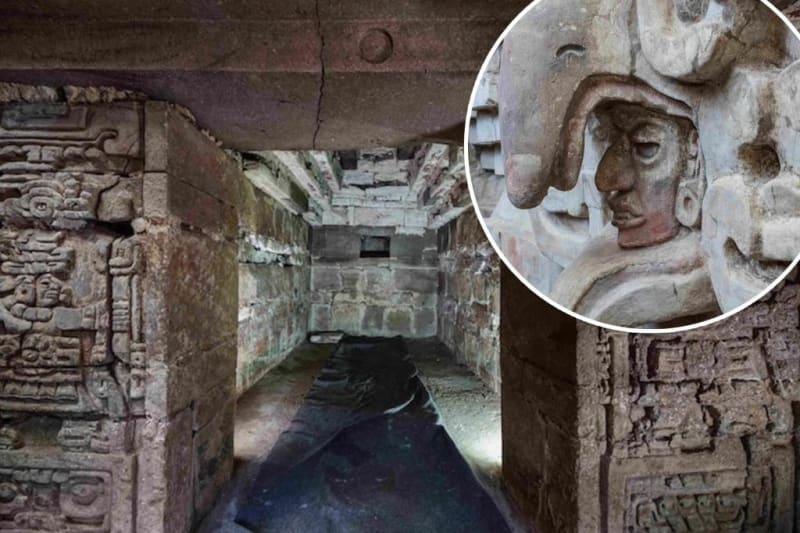
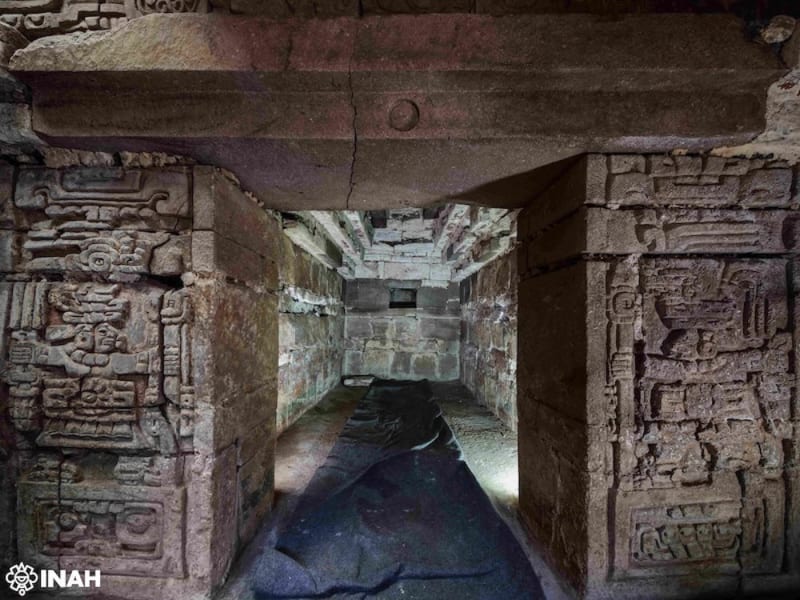
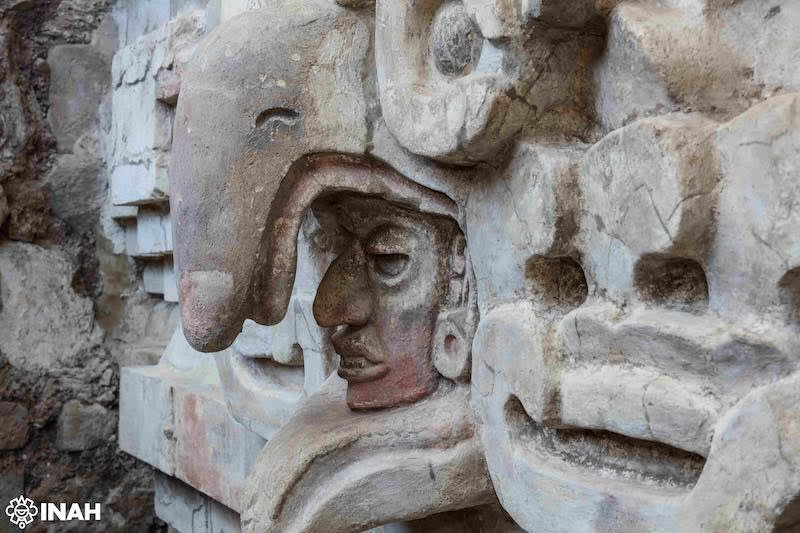
Archaeologists in southern Mexico have unearthed a breathtaking tomb from the ancient Zapotec civilization in Oaxaca's Central Valleys. The stone structure, preserved remarkably well for more than a millennium, features intricate ritual murals, carved stone figures, and a massive owl sculpture at the entrance with a lordly face emerging from its open beak.
Mexico's President Claudia Sheinbaum Pardo called it "the most important archaeological discovery of the last decade in Mexico" due to its exceptional preservation. The find offers a rare window into a culture that believed their ancestors descended from the clouds and returned to the heavens after death.
The Zapotecs, who called themselves Be'ena'a or "The Cloud People," built one of Mesoamerica's most impressive civilizations at Monte Albán, ruling the region for over 2,500 years. While their political power faded around 900 AD, their legacy endures through more than 400,000 Zapotec descendants living today.
Inside the burial chamber, researchers discovered a striking mural showing figures carrying bundles of copal, the Zapotecs' ceremonial incense, toward the tomb's entrance. The artwork provides precious insight into ancient funerary rituals, though roots, insects, and environmental changes now threaten the delicate paintings.
An interdisciplinary team from Mexico's National Institute of Anthropology and History is racing to stabilize and conserve the site. Researchers are analyzing ceramics, symbols, and human remains to decode the tomb's deeper meanings and rituals.
The Ripple Effect
The discovery connects to something even bigger beneath the surface. Marco Vigato, founder of the ARX Project, is leading underground surveys near the ancient Zapotec city of Mitla using ground-penetrating radar and seismic analysis.
His team has detected underground tunnels and chambers extending more than 50 feet deep. "Natural caves in the area of Mitla have been occupied and partially modified by humans for thousands of years," Vigato explained, noting that evidence of crop domestication in the region dates back almost 10,000 years.
Whether the tunnels were created by the Zapotecs or belong to an even older civilization remains a mystery. What's clear is that each new discovery reveals layers of human history waiting to be understood.
Mexico's Secretary of Culture, Claudia Curiel de Icaza, called the tomb an "exceptional discovery" and "a compelling example of Mexico's ancient grandeur, which is now being researched, protected, and shared with society."
After 1,400 years underground, the Cloud People's legacy is finally seeing the light of day.
More Images

Based on reporting by Google: archaeological discovery
This story was written by BrightWire based on verified news reports.
Spread the positivity!
Share this good news with someone who needs it


%2Fhttps%3A%2F%2Ftf-cmsv2-smithsonianmag-media.s3.amazonaws.com%2Ffiler_public%2F15%2F3b%2F153b5427-10f9-4ad6-b039-8823a36efc6f%2Fhd100065orig.jpg)