15-Cent Salt Innovation Fights Anemia for Millions
A breakthrough fortificated salt now delivers iron and iodine for just 15 cents per person yearly, tackling the world's most common nutritional disorder. India is already serving this double-fortified salt to millions through public programs.
For less than the cost of a piece of candy, scientists have found a way to fight the world's most widespread nutritional problem.
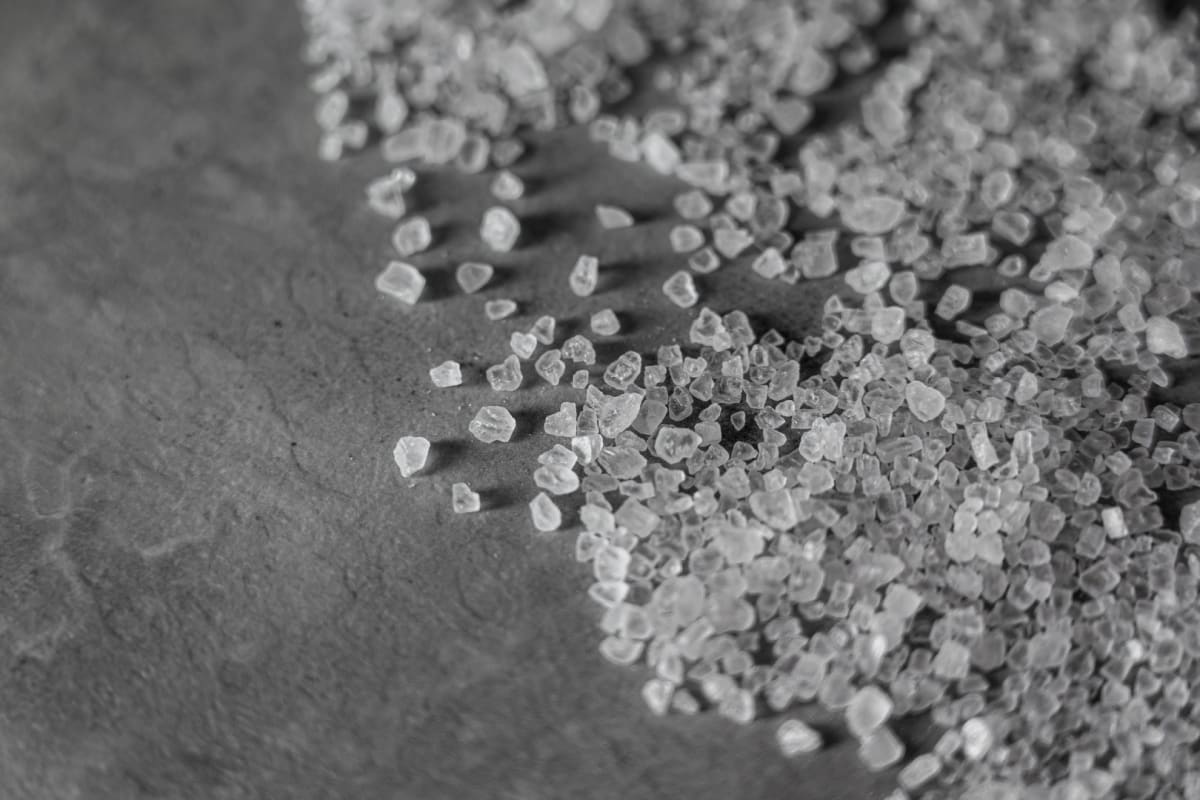
Double-fortified salt looks and tastes like regular table salt, but it packs a powerful punch. It delivers both iodine and iron in every shake, addressing iron deficiency anemia that affects billions of people worldwide.
The innovation took decades to perfect. Scientists had to figure out how to add iron to iodized salt without the two nutrients reacting with each other or changing the taste of food. They succeeded by microencapsulating the iron, essentially wrapping it in a protective coating.
The result costs just 15 to 20 cents per person each year. That's less than many countries spend on far less effective health interventions.
India has become the global champion of this approach. Multiple Indian states now distribute double-fortified salt through public food programs, reaching millions of families. In states like Gujarat and Madhya Pradesh, the fortified salt has been enthusiastically accepted by consumers who notice no difference from regular salt.
The health impacts are significant. Iron deficiency anemia makes children struggle to focus in school and robs adults of energy at work. Getting steady, small doses of iron through salt helps boost learning, work productivity, and overall quality of life.
Women of reproductive age and young children benefit most. Studies show improved cognition in children who regularly consume the fortified salt.
The beauty of the solution lies in its simplicity. Nearly 80% of people worldwide already use iodized salt, so the infrastructure exists. Adding iron requires minimal additional cost or effort.
The Ripple Effect
Bangladesh and Indonesia are developing strategic rollout plans. Kenya and other East African nations have launched pilot programs. The intervention builds on one of public health's greatest success stories: iodized salt, which has prevented goiter and developmental problems for generations.
Economic experts have taken notice too. When the Copenhagen Consensus Center asked Nobel laureates to identify the best ways to spend resources on global problems, bundled micronutrient interventions topped the list, ahead of agricultural and educational initiatives.
The approach works even as health officials encourage people to reduce salt intake for heart health. As consumption decreases, manufacturers can adjust iron levels to ensure people still get what they need.
Quality control remains important. Some regions struggle to maintain consistent standards, but India's regulatory agencies have developed clear guidelines that other countries can follow.
What started as a scientific challenge has become a scalable solution. Millions of people are already benefiting from salt that does double duty, and the number keeps growing as more countries recognize the potential.
This quiet revolution happening in salt shakers shows how smart, affordable innovations can transform public health without fanfare or complexity.
More Images

Based on reporting by Google News - Health Breakthrough
This story was written by BrightWire based on verified news reports.
Spread the positivity!
Share this good news with someone who needs it