15 Million Oysters to Restore Scotland's North Sea Ecosystem
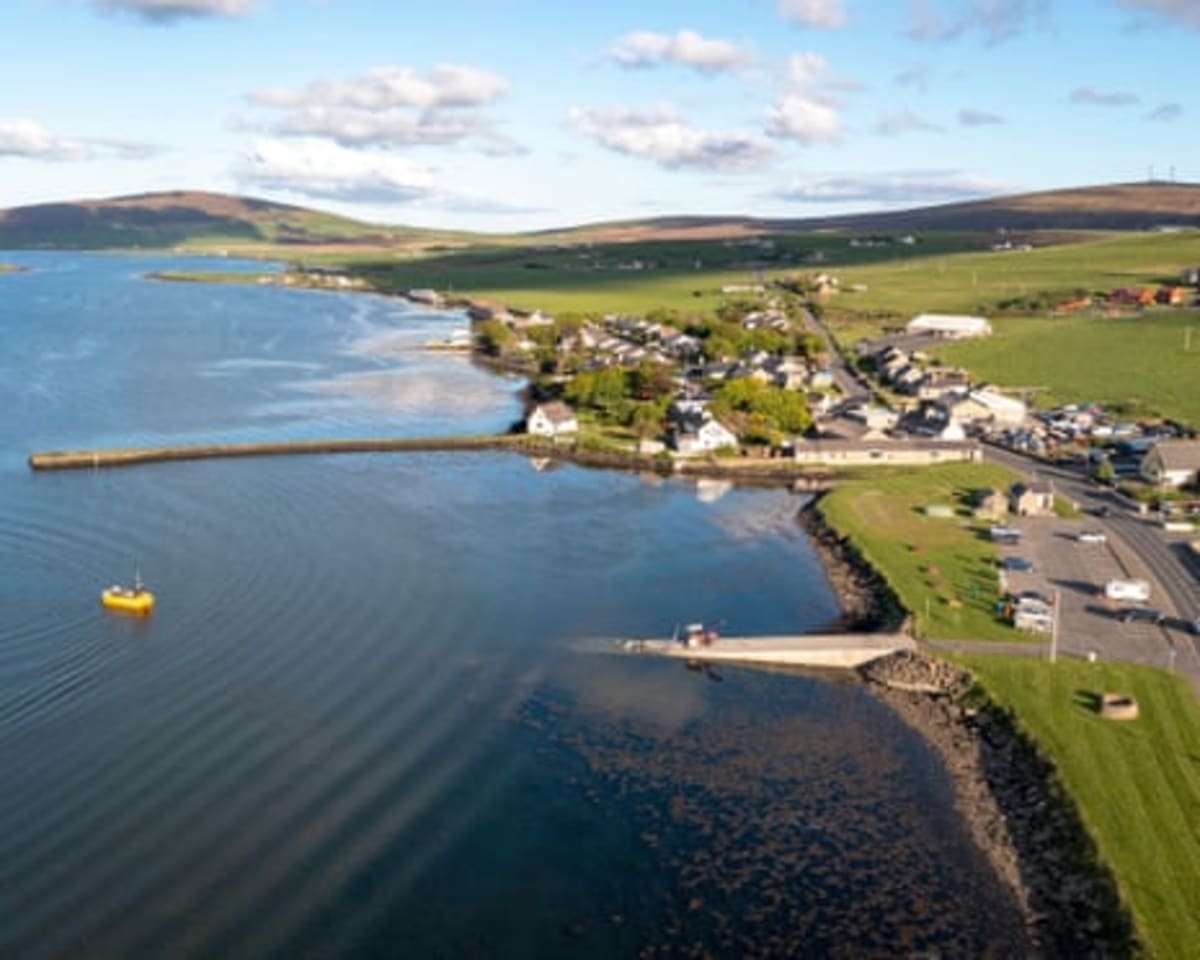
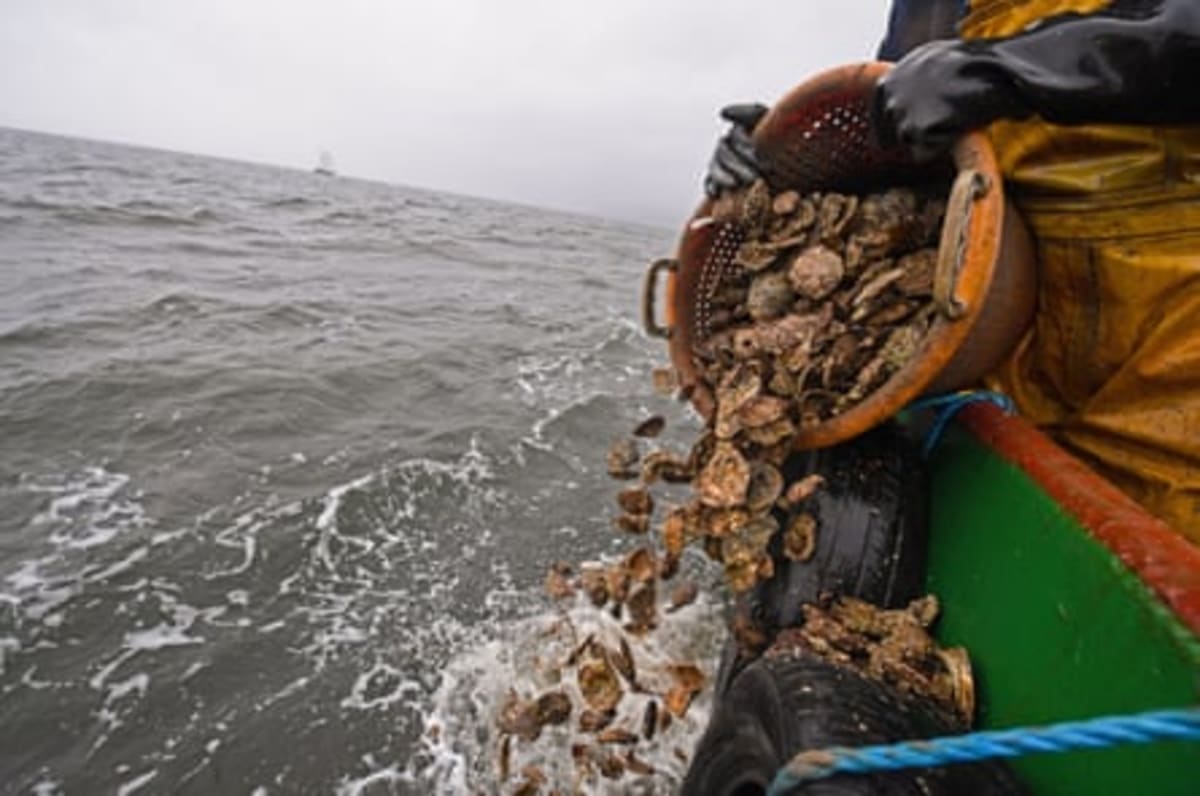
Scotland is launching one of the UK's biggest marine rewilding projects, releasing over 15 million juvenile oysters into the North Sea near Orkney. The initiative aims to rebuild lost ecosystems while capturing carbon and creating a blueprint for coastal restoration across Britain.
Imagine an underwater forest the size of Wales, thriving with life, filtering water, and sheltering fish. That's what Scotland's North Sea looked like centuries ago, before oyster beds disappeared.
Now, 15 million juvenile oysters are coming home. The massive rewilding project near Orkney represents one of the biggest marine restoration efforts in UK waters, bringing back ecosystems lost during the Industrial Revolution.
Between 1840 and 1850, Londoners alone consumed 700 million oysters. Overfishing, pollution, and shipping channel clearing wiped out vast oyster reefs that once covered areas the size of Wales, triggering what scientists call a "negative cascade" that devastated marine life.
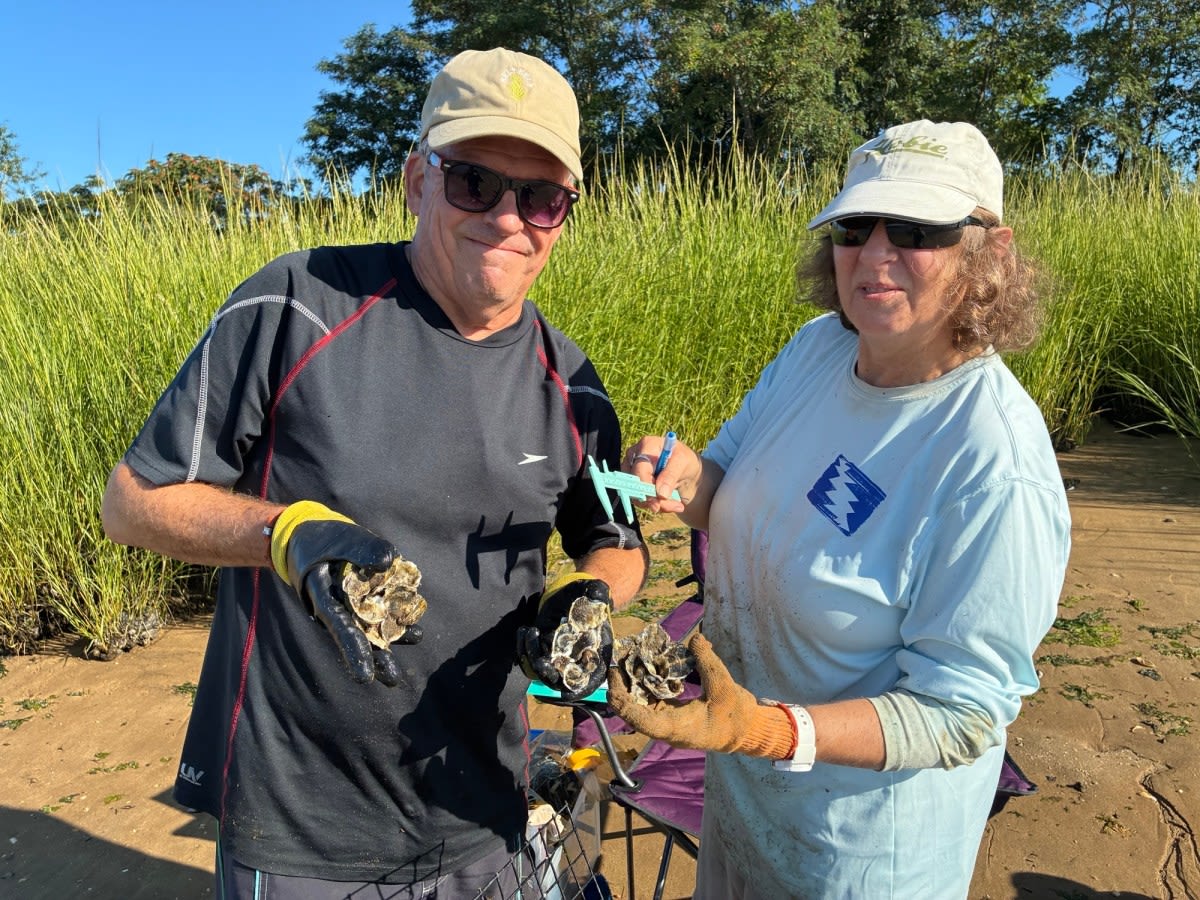
The new project uses an innovative approach to give oysters a fighting chance. Juvenile oysters grow onshore on calcium carbonate plates, then transfer to underwater lines that protect them from predators until they're strong enough to form natural reefs.
Marine expert Richard Land says the impact will reach far beyond the oyster beds themselves. "It won't just benefit fish and the bay, it will benefit sea mammals, seabirds and the whole environment," he explained.
The Ripple Effect
Once established, these oyster reefs become bustling neighborhoods for dozens of species including scallops, molluscs, algae, seaweeds and invertebrates. The 100-hectare bed could sequester up to 76 tonnes of CO2 annually, but the real goal is natural spawning.
If the oysters reproduce successfully, carbon capture could increase over a thousandfold within 15 years. Dale Vince from the Green Britain Foundation calls it nature doing the work for us, fighting the climate crisis while restoring marine ecosystems.
The project also improves water quality as oysters filter their surroundings. Local MP Alistair Carmichael welcomed the initiative, noting Orkney's long history of working with the sea and the importance of balancing demands on marine resources.
University of Edinburgh researcher Philine Zu Ermgassen emphasized that oysters now exist in such small numbers they can't recover without human help. The developing hatchery techniques make it possible to produce enough oysters from local genetic stocks to support meaningful restoration.
Organizers hope this becomes a template for reviving oyster beds around the UK and European coastlines. What starts in Orkney could spread across Britain's shores, bringing back the underwater forests that once thrived there.
The North Sea is getting its second chance, 15 million oysters at a time.
More Images

Based on reporting by Guardian Environment
This story was written by BrightWire based on verified news reports.
Spread the positivity!
Share this good news with someone who needs it