100 Volunteers Help Restore Oyster Bay's Lost Population
Long Island volunteers are helping bring back oyster populations that crashed from 30,000 bushels in the 1990s to just 51 today. Through oyster gardening and university research, the community is working to restore waters that once produced 60% of New York's oysters. #
A small army of volunteers is helping restore one of Long Island's most important ecosystems, one oyster at a time.
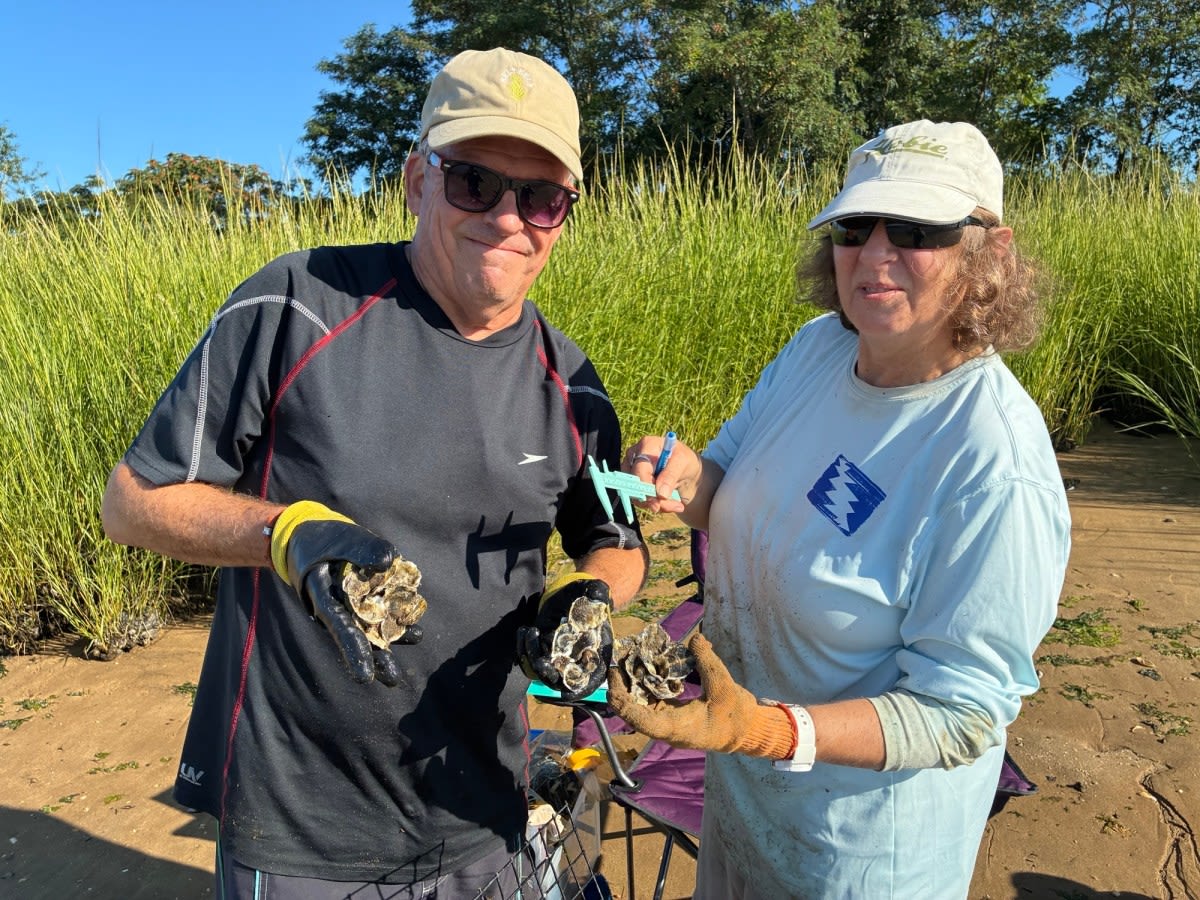
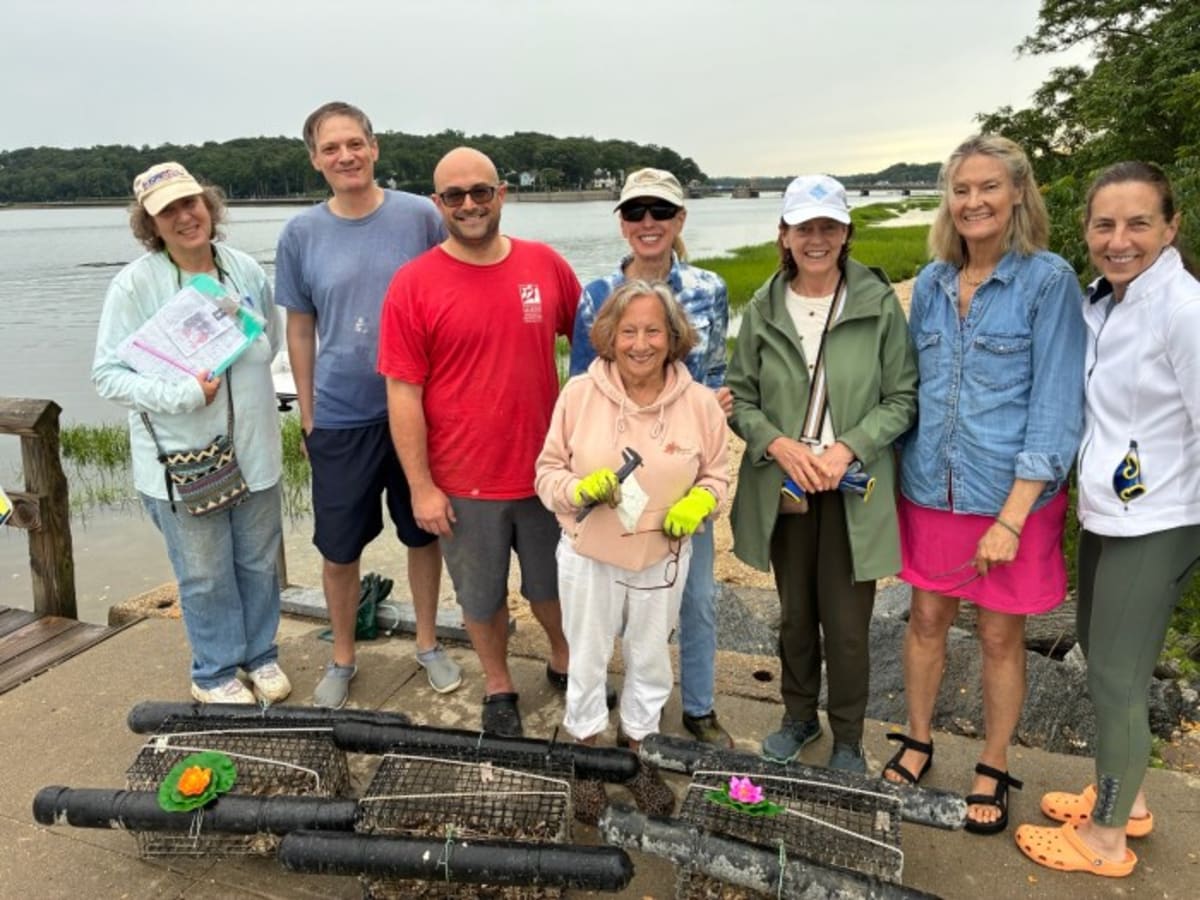
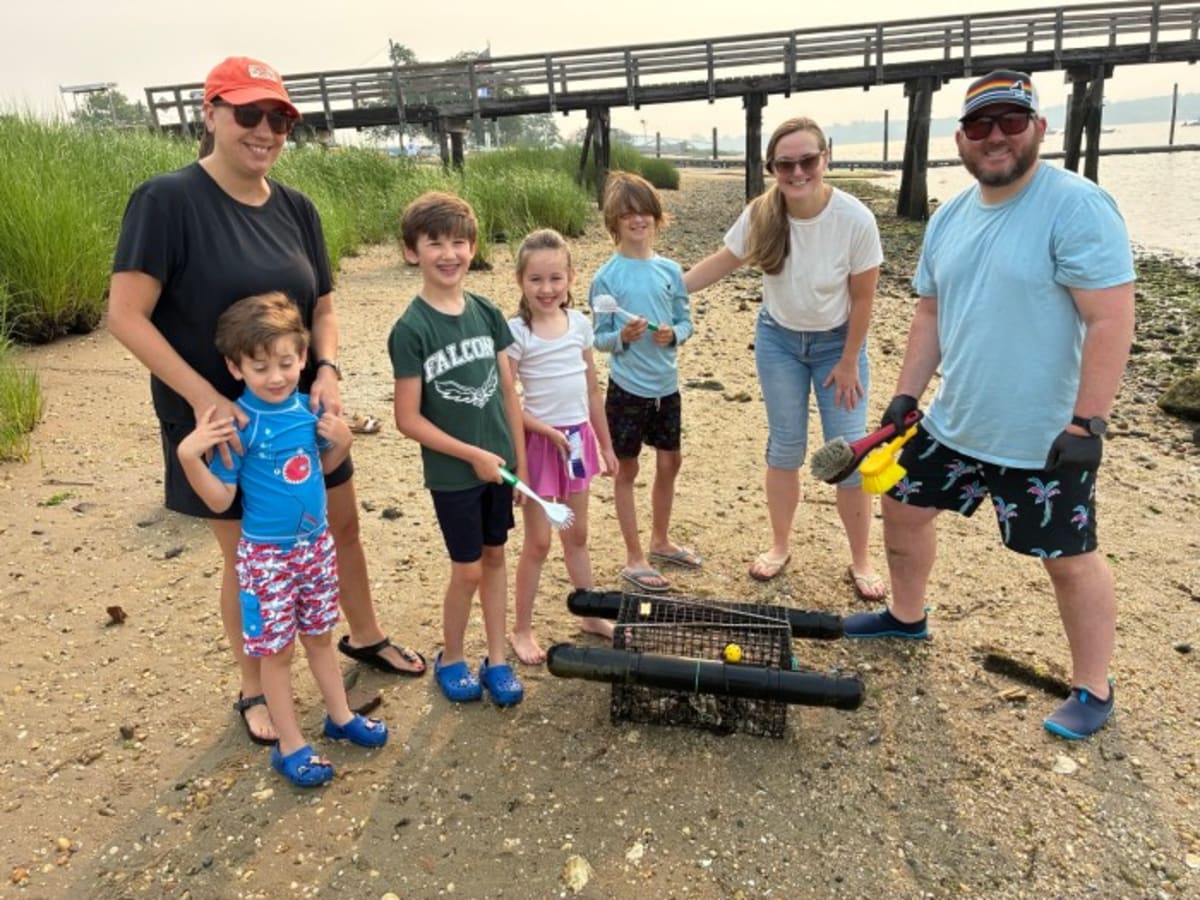
Nearly 100 residents are participating in oyster gardening programs in Oyster Bay and Cold Spring Harbor, where populations have plummeted by 99% in just three decades. The waters that once produced 60% of New York State's oysters now yield barely a fraction of that bounty.
Rob Crafa coordinates the Oyster Bay/Cold Spring Harbor Protection Committee and has watched the decline firsthand. He points to overharvesting, disease, and poor resource management as the main culprits behind the collapse.
But he's not giving up. Neither are the researchers and volunteers working alongside him.
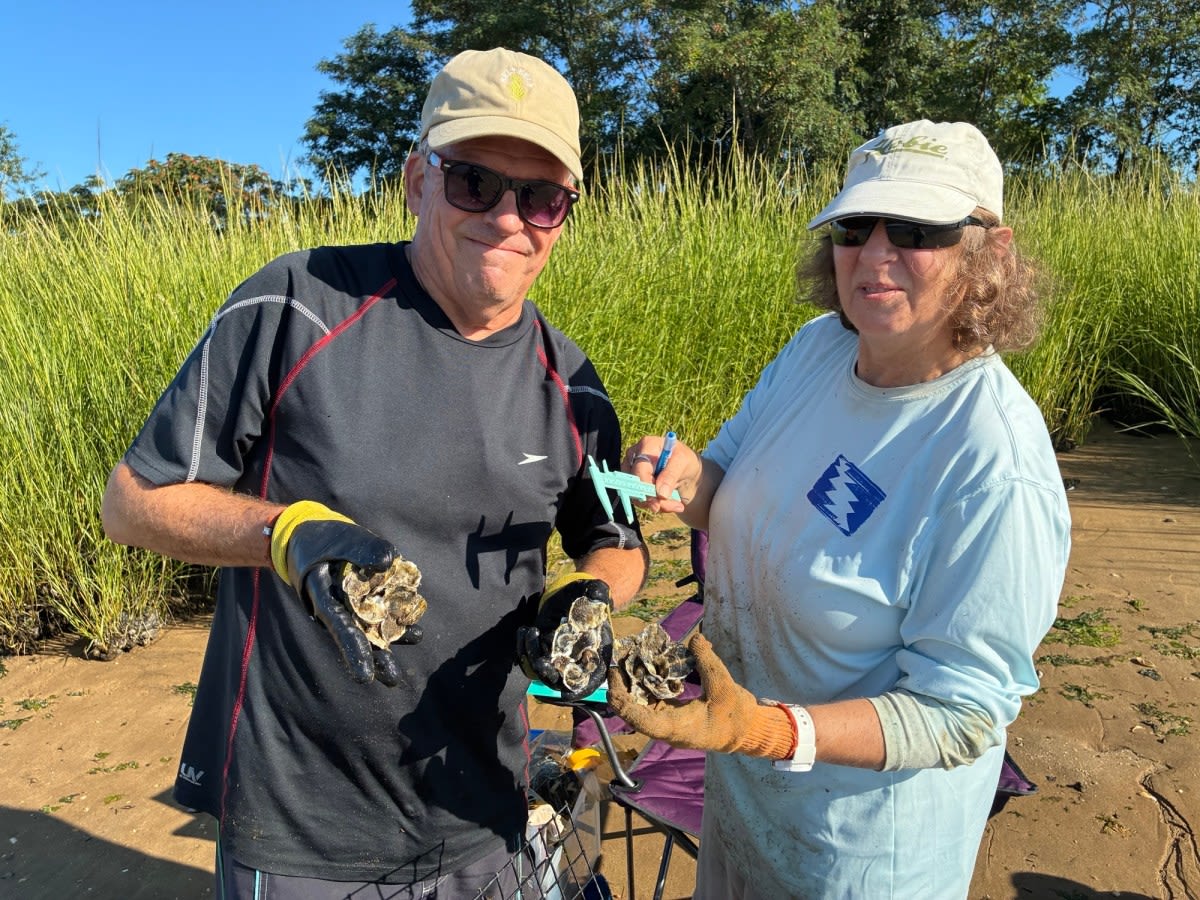
Oyster gardening attracts more volunteers than any other conservation activity Crafa organizes, even beating out beach cleanups and dune grass plantings. The process involves growing adult oysters on broken shells, which provides the perfect surface for baby oysters to attach and grow.
Graduate students from Stony Brook University and Adelphi University are studying how oysters reproduce naturally in the harbor. They collect spat (baby oysters) and monitor them throughout the year to understand reproduction patterns.
Other researchers are tracking where two-week-old oysters end up after they finish swimming freely and settle down. This stage matters because tides control where these tiny oysters travel, and understanding their journey helps identify the best spots for spawner sanctuaries.
The Ripple Effect
The research is already influencing conservation strategy. Scientists are now recommending specific areas where the Town of Oyster Bay should establish spawner sanctuaries to protect breeding populations.
These sanctuaries work because free-floating baby oysters don't all settle in the same spot where they hatched. Some drift outside the protected zones, naturally reseeding the entire bay and helping oyster populations recover across a wider area.
The benefits extend beyond the oysters themselves. These filter feeders improve water quality and clarity, creating healthier ecosystems for other marine life.
The decline hit local fishermen hard, forcing those who once made their living harvesting oysters to switch to clams and other shellfish. Restoring oyster populations could bring back livelihoods that disappeared along with the shellfish.
After three decades working in environmental conservation, Crafa remains optimistic about solutions. The combination of community volunteers, university research, and strategic sanctuary placement is creating a roadmap for recovery that could serve as a model for other degraded waterways.
#
More Images

Based on reporting by Google: volunteers help
This story was written by BrightWire based on verified news reports.
Spread the positivity!
Share this good news with someone who needs it