York's Urban Rookery Protects Herons for 30+ Years
A Pennsylvania lake has become a thriving sanctuary for endangered wading birds, thanks to decades of community dedication. Students, volunteers, and conservationists have transformed an urban waterway into a recognized Important Bird Area.
A small lake in York, Pennsylvania has quietly become one of the state's most important urban wildlife refuges, proving that cities and nature can thrive together.
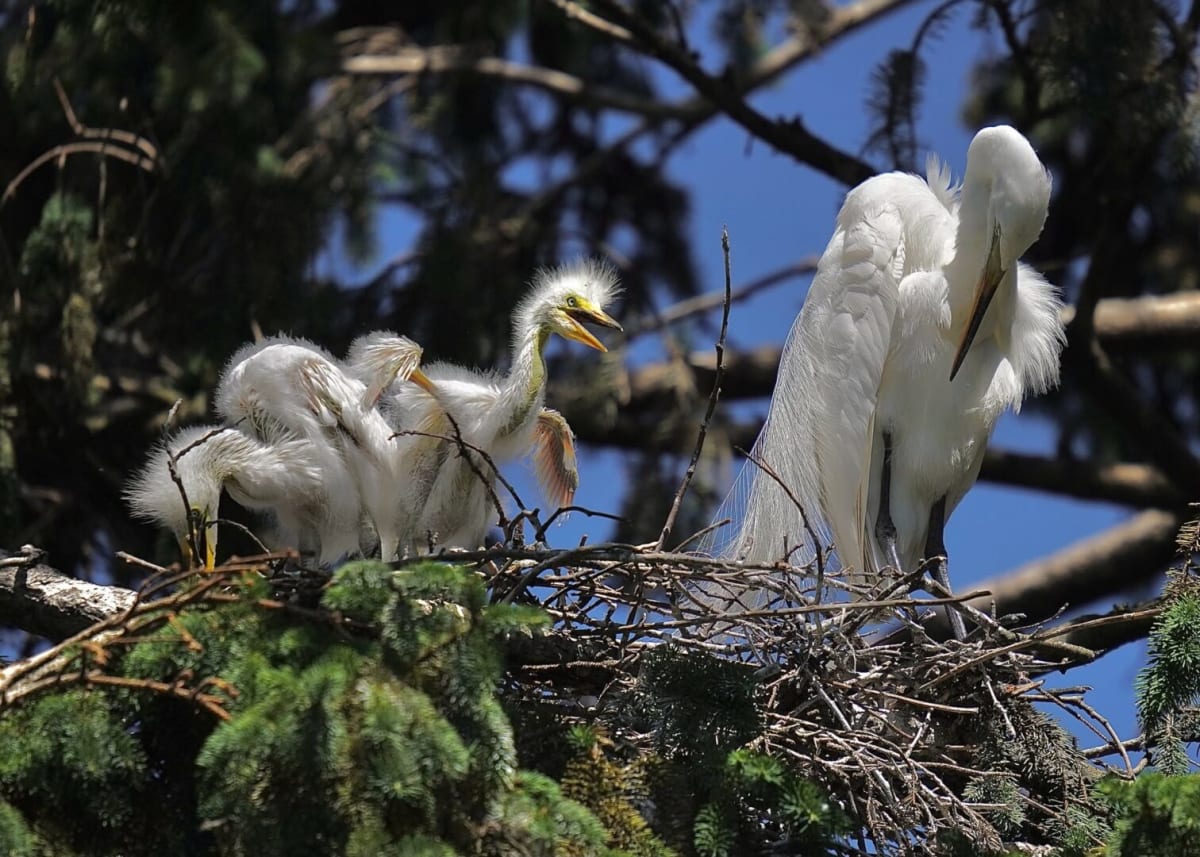
The Kiwanis Lake Rookery has provided a safe home for great egrets and black-crowned night herons since its discovery in 1992. The site earned designation as a Pennsylvania Important Bird Area in 2004 after rigorous review by the state's Ornithological Technical Committee.
The rookery's success story began with everyday heroes like Teresa Deckard, who established a bird rescue program in the late 1980s. She and her husband Mark spent decades protecting the habitat and nursing injured birds and chicks back to health.
Their dedication inspired an entire community to take action. York Audubon President David Arrow has continued rallying volunteers to safeguard the urban sanctuary.
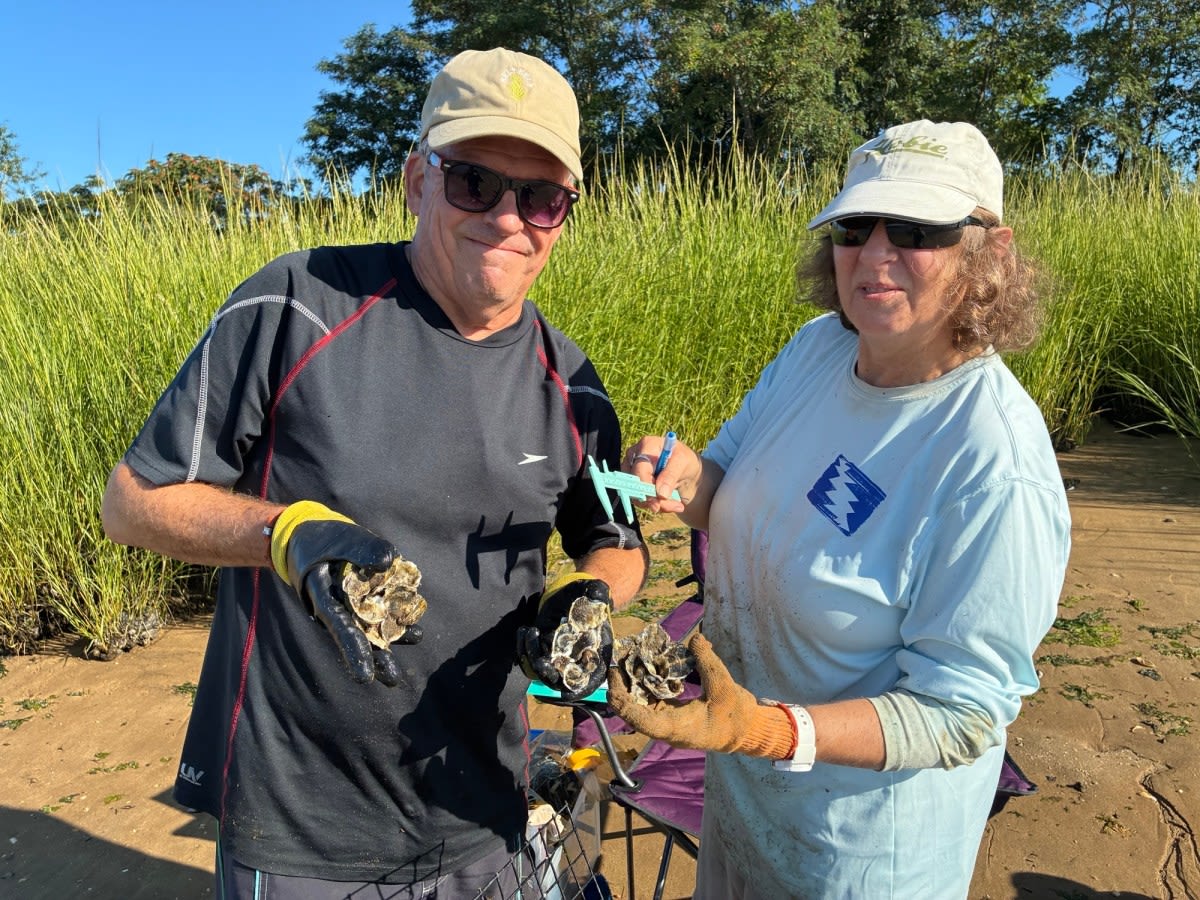
The transformation extends beyond the lake itself. Students from William Penn High School have gotten their hands dirty planting native trees, shrubs, and perennials along the water's edge.
These riparian buffers do double duty by filtering runoff and creating habitat corridors for birds and other wildlife. The improvements around Kiwanis Lake and nearby Willis Run have made the entire watershed healthier.
The Ripple Effect
What started as one couple's passion project has grown into a model for urban conservation. The rookery shows that even densely populated areas can support threatened species when communities commit to protecting green spaces.
York's students are learning firsthand that conservation isn't just about wilderness areas far from home. By working on their own neighborhood lake, they're discovering how local action creates lasting environmental impact.
The project has brought together conservation groups, schools, and community volunteers who might never have connected otherwise. Their collaboration proves that protecting wildlife habitat strengthens human communities too.
Thirty years after the rookery's discovery, wading birds continue returning each season to raise their young above York's streets.
Based on reporting by Google News - Conservation Success
This story was written by BrightWire based on verified news reports.
Spread the positivity!
Share this good news with someone who needs it