Colorado Fish Goes From Endangered to Threatened After 30 Years
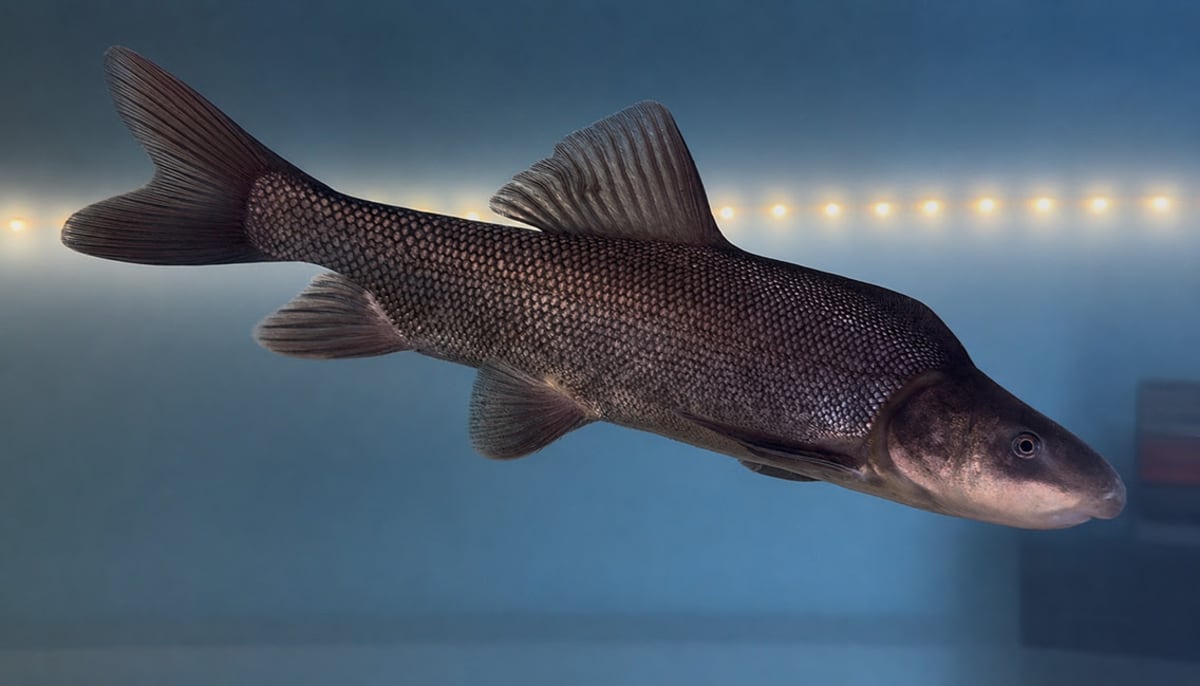
The razorback sucker, one of North America's largest native fish, just got upgraded from endangered to threatened after three decades of conservation work in Colorado. Kids, scientists, and even a baseball team helped save this species from extinction.
A fish with a backbone ridge on its back just made a comeback that took 30 years of teamwork to achieve.
The U.S. Fish and Wildlife Service officially downlisted the razorback sucker from endangered to threatened, marking a major win for Colorado's native wildlife. Colorado Parks and Wildlife announced the milestone, celebrating what collaborative conservation can accomplish when everyone pulls together.
The razorback sucker nearly disappeared from the Colorado River Basin after dams fragmented its habitat and invasive fish species preyed on its population. By 1991, the situation looked so dire that federal officials listed the species as endangered.
That's when multiple states, tribal nations, federal agencies, water users, and conservation groups joined forces through two recovery programs. For over three decades, they've worked to restore river flows, expand wetland habitat, stock native fish, and manage environmental threats.
"This milestone is proof that dedicated partnerships, habitat management, and education can reverse the trajectory of our native species," said Jenn Logan, CPW's native aquatic species manager. The species still faces challenges during drought years, but its future looks brighter than it has in decades.
Students across Colorado's Grand Valley have played a surprising role in the recovery. For more than 20 years, kindergarteners through eighth graders have raised baby razorback suckers in classroom aquariums before releasing them into the Colorado River each spring at a state park.
Palisade High School took it even further with a student-run hatchery. These teens have successfully raised and released more than 1,500 native fish while learning real fisheries biology.
The Ripple Effect
The recovery effort has grown beyond science labs and river banks. The Grand Junction Razorback Suckers minor league baseball team now partners with CPW to educate fans at Suplizio Field, where people can see live razorback suckers and learn about conservation between innings.
This approach shows how wildlife recovery can weave into community identity. When a baseball team takes a threatened species as its mascot and uses games to teach conservation, environmental education becomes fun instead of preachy.
The downlisting doesn't mean the work stops. CPW officials emphasized that ongoing management remains essential to ensure the razorback sucker's long-term survival, especially as climate change brings more frequent droughts to the region.
When students, scientists, water managers, and baseball fans work together for 30 years, even a fish on the brink of extinction can find its way back.
More Images


Based on reporting by Google News - Wildlife Recovery
This story was written by BrightWire based on verified news reports.
Spread the positivity!
Share this good news with someone who needs it