California Condors Photobomb Trail Camera After Near Extinction
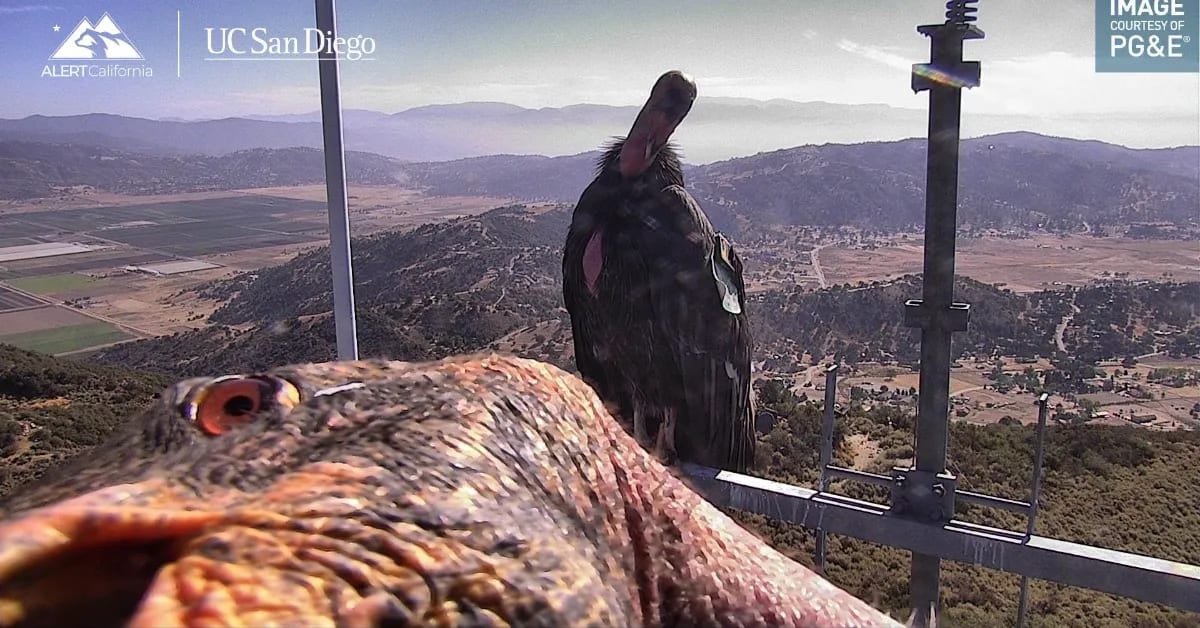
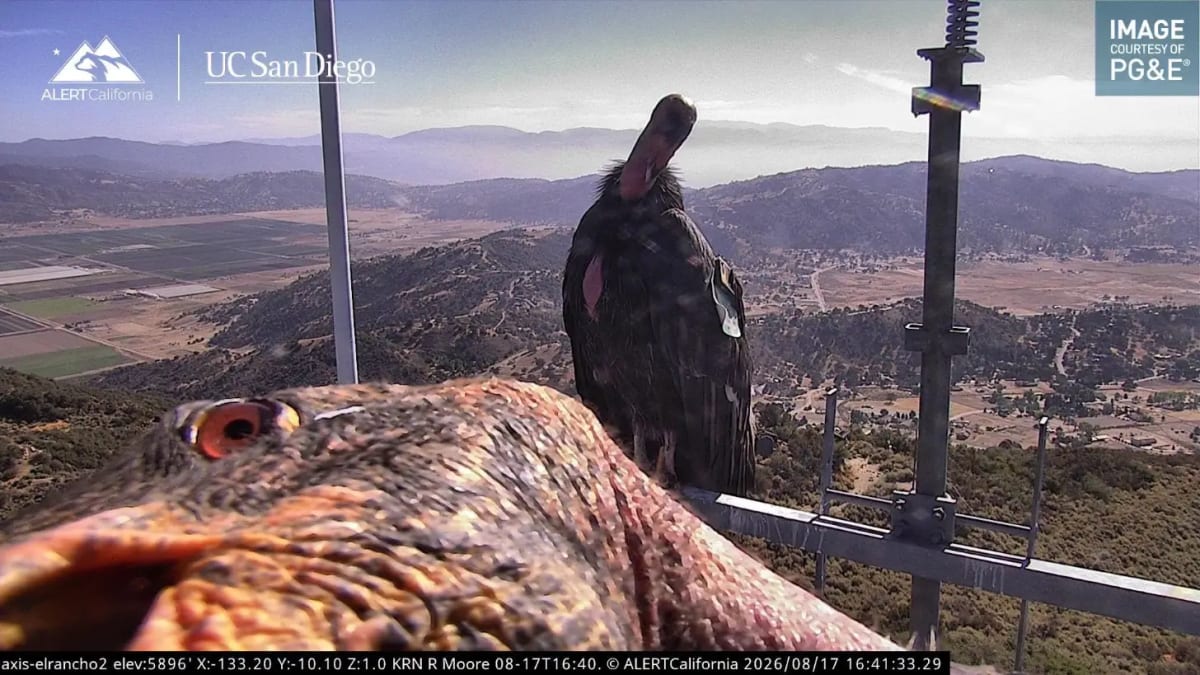
Two California condors got playfully curious with a wildfire monitoring camera, creating a rare glimpse of a species that was down to just 22 birds four decades ago. Today, over 500 condors exist worldwide thanks to a determined conservation program.
A wildfire monitoring camera in California captured something far more joyful than flames. Two California condors decided to investigate the equipment, with one pecking curiously at the lens while the other posed perfectly in the background.
The August photo thrilled wildlife experts because these massive birds, with wingspans stretching 10 feet wide, nearly vanished from Earth entirely. By 1982, only 22 California condors remained in the wild after decades of poaching, habitat destruction, and lead poisoning from eating animals killed with lead ammunition.
The United States Fish and Wildlife Service made a bold move to save them. Over five years, conservationists brought all 22 remaining birds into captivity for a breeding program, hoping desperately it would work.
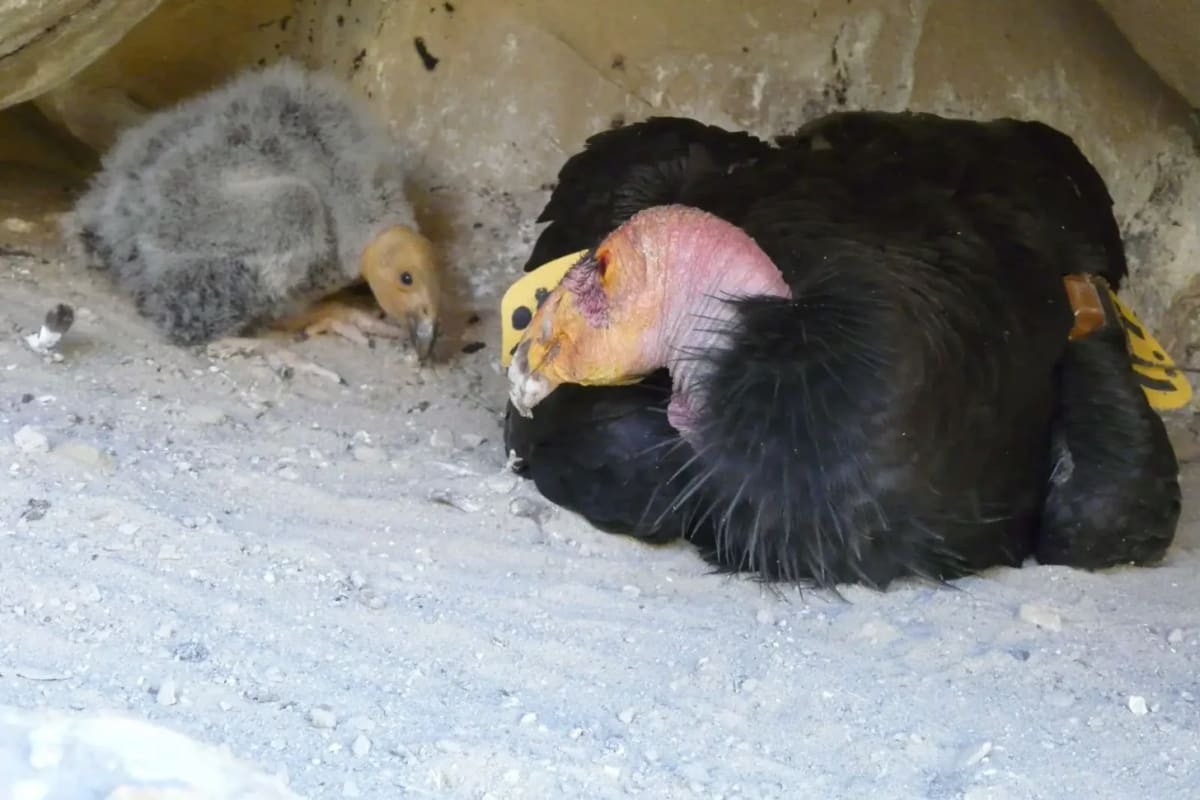
In 1988, the San Diego Zoo Safari Park welcomed a chick named Molloko. She became the first California condor ever bred and hatched in a zoo, proving the species could survive with human help.
"After 1988, when she hatched, we had more and more success," Ron Webb, lead wildlife care specialist at the San Diego Zoo Safari Park, told KTLA 5. What started as a last-ditch effort transformed into a species-saving program.
The cameras that caught the recent condor selfie belong to ALERTCalifornia, a network monitoring over 1,200 locations statewide for natural disasters. While golden eagles occasionally make cameos, condors are a special sight.
"They've been up there quite a bit lately," one observer noted on social media. "A couple weeks ago, there were over 20 condors."
The Ripple Effect
Today, more than 500 California condors soar across the world, with roughly half flying free in the wild. These birds are now breeding naturally, finding their own food, and raising chicks without human intervention.
"We are seeing condors breeding in the wild and pairing up, and finding their own food, and doing everything that they need to do to be successful," said Nicole Weprin, a wildlife biologist with the U.S. Fish & Wildlife Service. From 22 birds to over 500 represents one of conservation's greatest comebacks.
More Images

Based on reporting by Good Good Good
This story was written by BrightWire based on verified news reports.
Spread the positivity!
Share this good news with someone who needs it