Rare Addax Calves Born at Australian Safari Park
Monarto Safari Park's winter breeding season brought new life to one of the world's rarest mammals. With fewer than 100 Addax remaining in the wild, these births mark a significant conservation win.
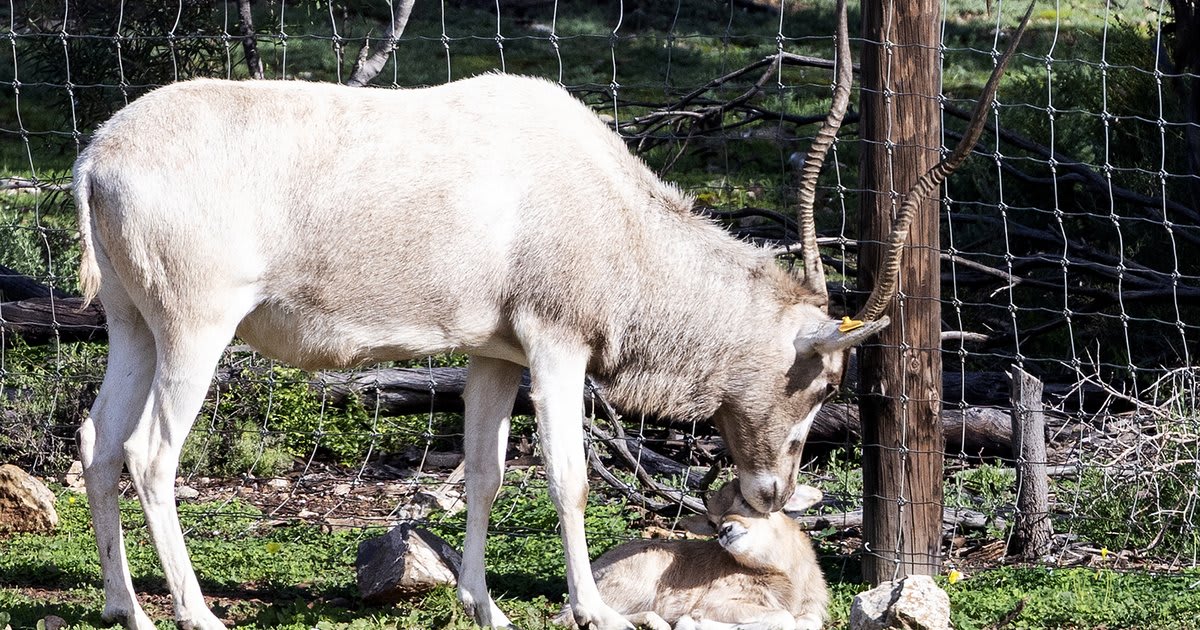
Two critically endangered Addax calves are bouncing around Monarto Safari Park in South Australia, bringing fresh hope to a species on the brink of extinction.
The playful arrivals join two zebra foals in what staff are calling a remarkable winter baby boom at one of the world's largest open-range safari parks. But while visitors delight in watching all the youngsters explore their habitats, the Addax calves carry special significance for global conservation efforts.
Fewer than 100 Addax antelope remain in their native Sahara Desert, making them one of the planet's rarest hoofed mammals. Illegal hunting and habitat loss have devastated wild populations of these distinctive spiral-horned antelopes, earning them a spot on the IUCN's Critically Endangered list.
"Seeing our Addax calves running around and playing together is incredibly rewarding, particularly when you consider just how rare this species is in the wild," said Mark Mills, the park's Assistant Curator of Ungulates. The energetic calves are already exploring near the Waterhole Habitat, staying close to their herd while gaining confidence daily.
The zebra foals are putting on their own show in the Wild Africa precinct. The two young males have become inseparable companions, racing and playing under their mothers' watchful eyes. Their brownish stripes will gradually darken as they mature, each pattern as unique as a human fingerprint.
The Ripple Effect
Every admission ticket to Monarto Safari Park funds the conservation work that makes births like these possible. The 1,550-hectare park houses over 750 animals representing 50 species, many involved in internationally recognized breeding programs designed to maintain genetically healthy populations.
These programs serve as crucial insurance policies for species facing extinction in the wild. When habitat restoration and anti-poaching efforts eventually succeed, zoos and safari parks can help repopulate native ranges with healthy animals.
Modern zoological institutions have evolved far beyond entertainment, becoming essential partners in preventing species loss. The success stories happening at Monarto show what's possible when conservation science meets public support.
Visitors walking the park's trails can now witness the next generation of these remarkable species, including some that may one day return to restored wild habitats.
Based on reporting by Google News - Conservation Success
This story was written by BrightWire based on verified news reports.
Spread the positivity!
Share this good news with someone who needs it