Scientists Give Endangered Monarchs Solar-Powered Trackers
Tiny solar-powered radio tags are helping scientists unlock the mysteries of where endangered monarch butterflies go during winter. The innovative tracking project in California could save the struggling species from extinction. ##
Monarch butterflies now wear what looks like the world's tiniest backpacks, and it might just save their species.
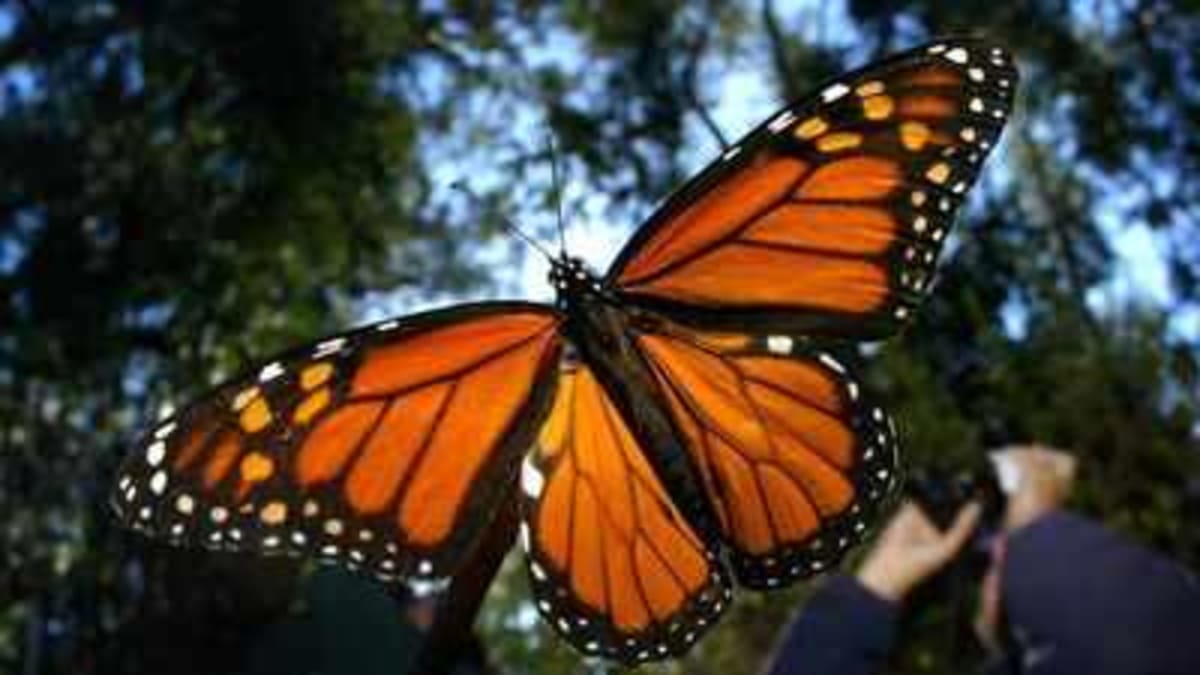
Scientists in California are attaching solar-powered radio transmitters to endangered monarch butterflies to track their movements through coastal overwintering sites. The migratory monarch was listed as endangered by the IUCN in 2022 after populations plummeted across North America.
The US Fish and Wildlife Service partnered with environmental consulting firm Althouse & Meade to test the tracking technology at three sites across San Luis Obispo and Santa Barbara Counties. In November 2025, researchers successfully tagged monarchs with transmitters small enough to ride on their backs without interfering with flight.
The trick to catching the butterflies sounds simple but requires perfect timing. Monarchs are ectotherms, meaning they need external heat to warm up enough to fly. Scientists work early in the morning when temperatures drop below 55 degrees Fahrenheit and the butterflies can't take off.
After collection, researchers weigh and measure each butterfly to ensure it's strong enough to carry a tag. They then use eyelash glue to attach the tiny solar-powered transmitters to the butterflies' backs. The devices send geospatial information through radio waves, allowing scientists to follow the monarchs without relying on visual tracking alone.
The real goal goes far beyond cool technology. Researchers are trying to understand how monarchs use overwintering groves and nearby nectar sources along the California coast. Weather data collected at each site helps scientists compare environmental conditions with butterfly movements, building a complete picture of what these fragile creatures need to survive.
The Ripple Effect
The findings will directly inform how California manages and restores monarch overwintering habitats. With the US Fish and Wildlife Service proposing to list monarchs as threatened under the Endangered Species Act, this data could shape protection efforts for years to come.
The project even invites citizen scientists to join the effort. Anyone can use the Project Monarch app to access a map showing tagged butterflies and contribute their own observations. Everyday people are becoming part of the solution, turning morning walks into conservation missions.
The monarchs that once filled North American skies in the billions now need our help, and scientists are answering with ingenuity, patience, and technology powered by the same sun that guides these remarkable travelers home.
##
More Images



Based on reporting by Google: species saved endangered
This story was written by BrightWire based on verified news reports.
Spread the positivity!
Share this good news with someone who needs it