Kenyan Camera Trap Reveals Secret Wildlife Highway in Forest
A wildlife photographer's camera trap in Kenya's Maasai Mara caught endangered rhinos, elephants, and a rarely seen antelope using a hidden forest crossing. The discovery is helping rangers track elusive species and protect vital wildlife corridors.
Deep in a Kenyan forest, a motion-sensor camera quietly documented something remarkable: a secret highway used by some of Africa's most elusive animals.
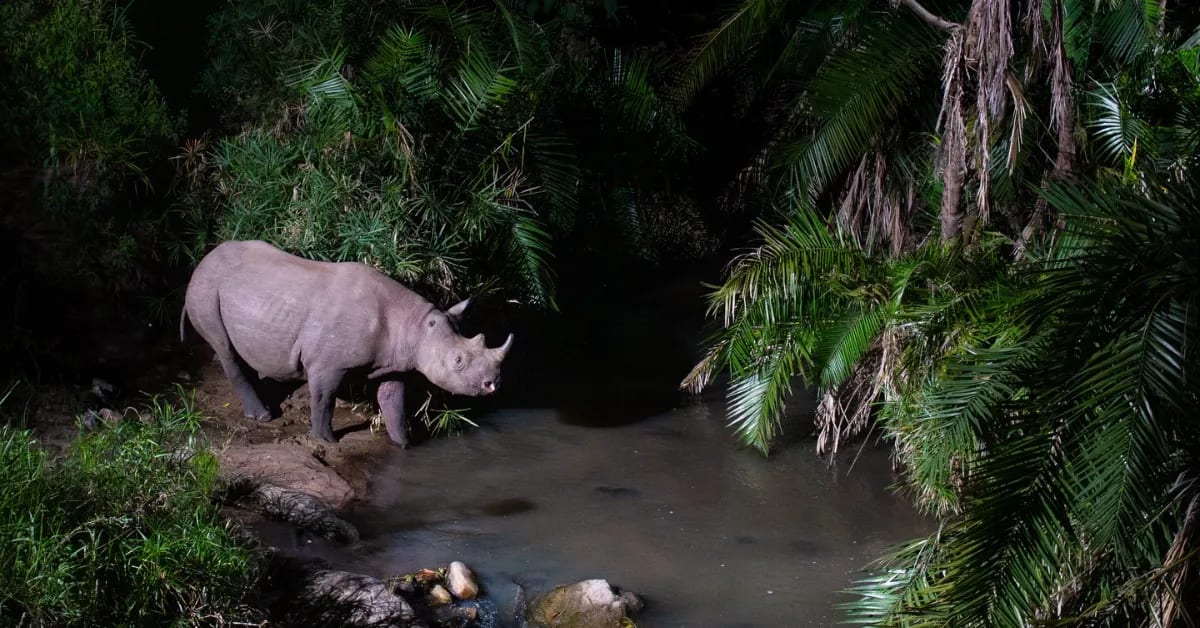
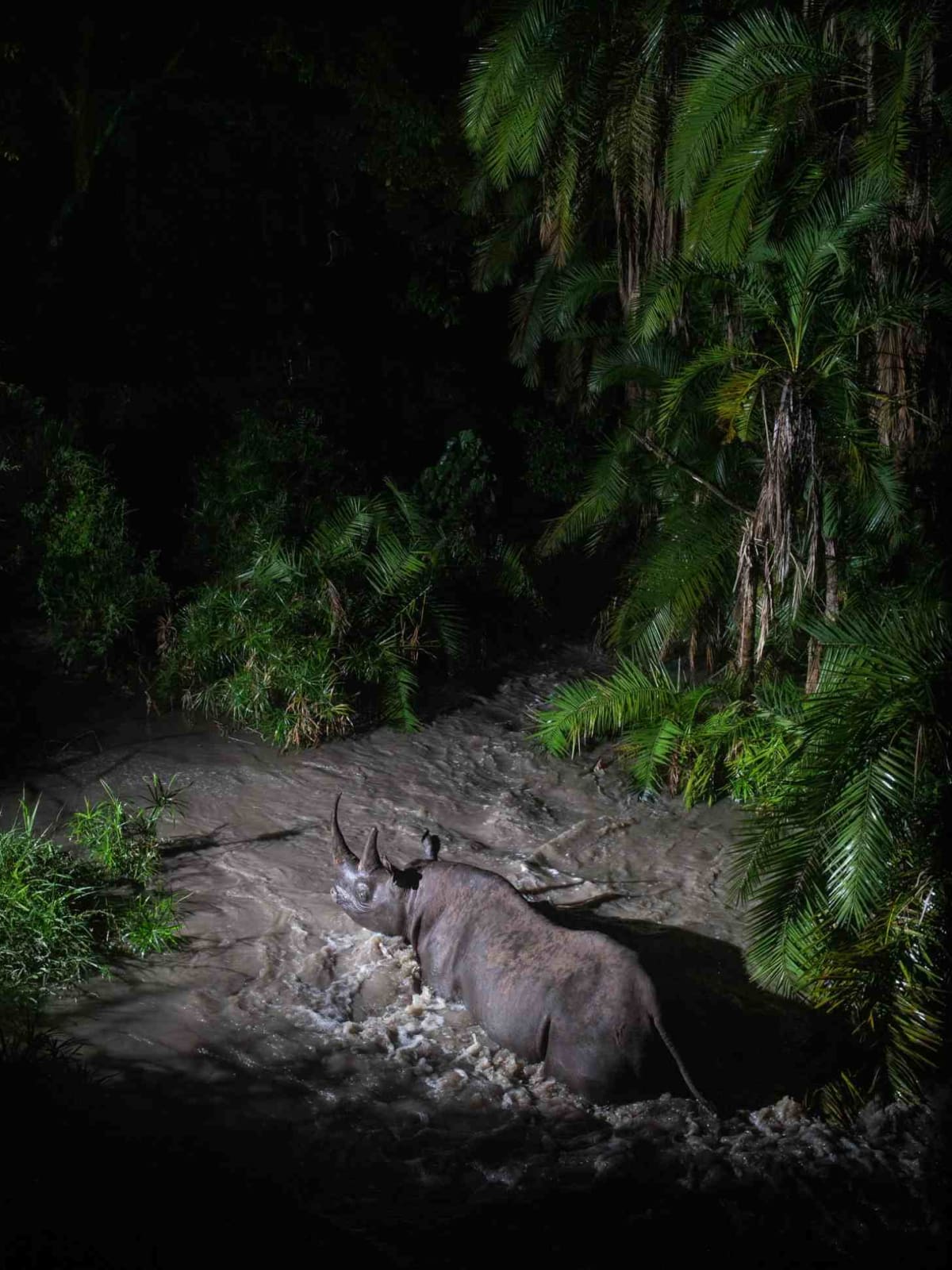
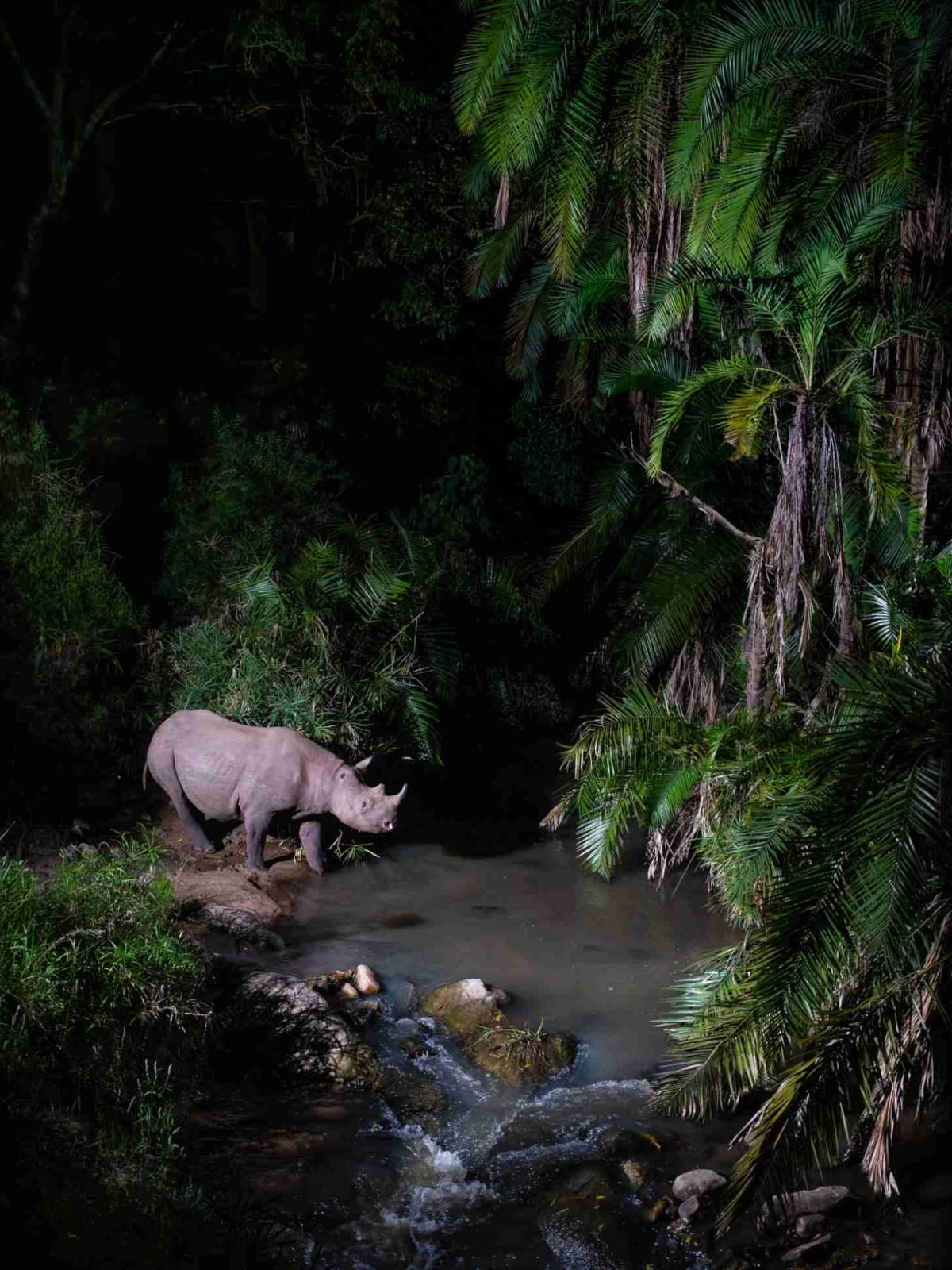
Wildlife photographer Will Burrard-Lucas set up a camera trap overlooking a remote river crossing in the Maasai Mara National Reserve. His goal was to help rangers monitor the area's endangered black rhino population in a patch of dense forest where the animals were notoriously difficult to track.
The location was perfect. A small river cut through a secluded valley where rhinos came to drink and socialize, hidden beneath thick vegetation. Rangers checked the camera every few weeks to swap batteries and memory cards.
The results exceeded everyone's expectations.
The camera revealed the crossing wasn't just a rhino hangout. It was a bustling corridor used by multiple rhino individuals moving between feeding areas. Several rhinos that hadn't been documented for months suddenly appeared on camera, and one hadn't been seen since 2023.
Those photographs helped rangers confirm these animals were still alive and part of the population. The team could now estimate rhino numbers with much greater confidence.
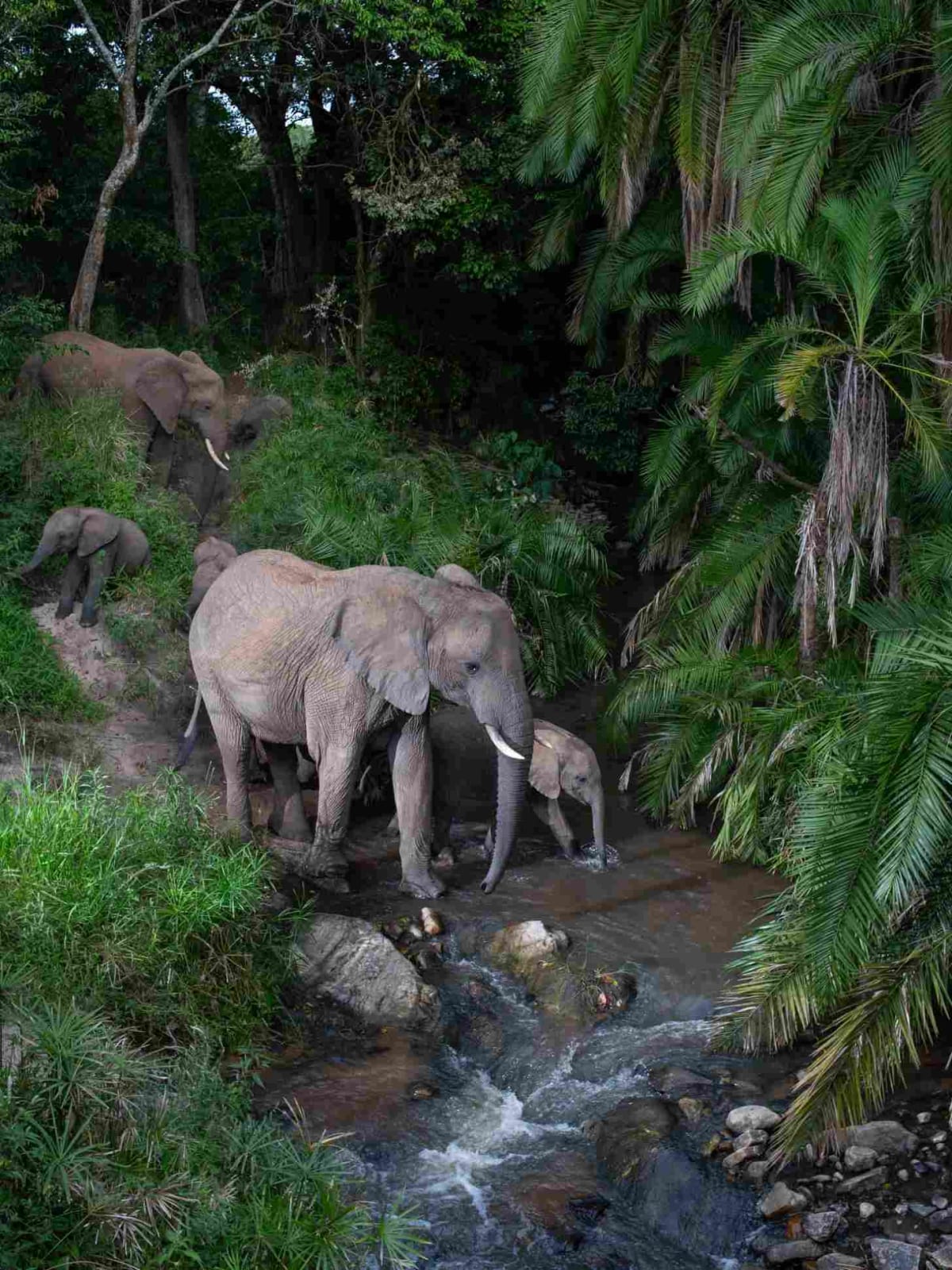
But the rhinos were just the beginning. Elephant breeding herds passed through regularly. A leopard appeared briefly before vanishing back into the forest. Hippos emerged from the river while bushbuck and giraffes cautiously approached the water to drink.
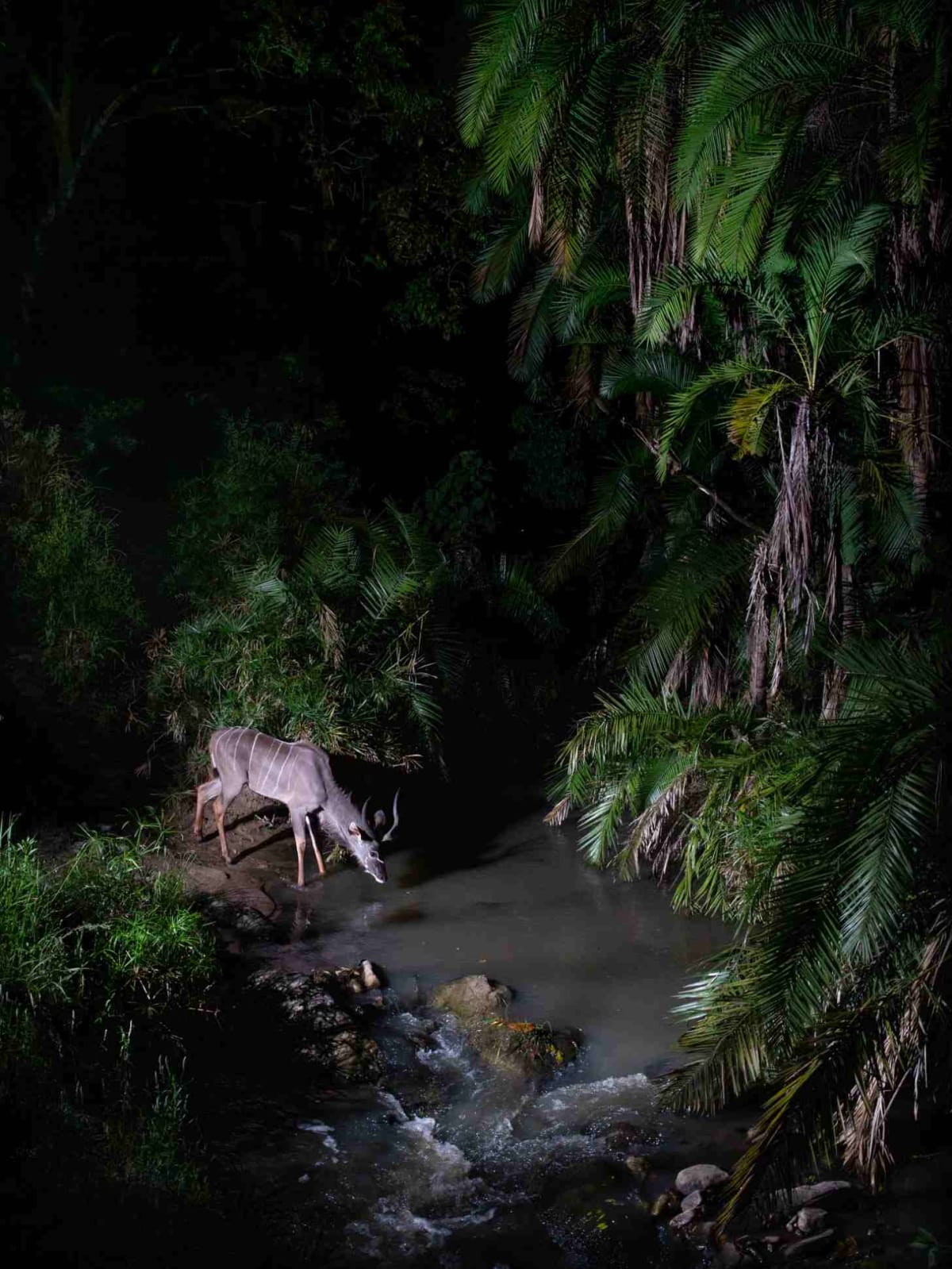
Then came a truly special sighting. The camera captured a greater kudu, an elegant antelope that hadn't been recorded in the area for many years. That single photograph proved the species still lived in this corner of the Mara.
Why This Inspires
This story shows how simple technology can unlock secrets that change conservation. The camera trap revealed how animals move through the landscape at night and which quiet corridors they depend on for safe passage.
These aren't just beautiful photographs. They're valuable data that helps conservation teams monitor rare species and understand how animals actually use the habitats people are trying to protect. Every image tells rangers something new about the wildlife they're working to save.
The deeply worn trail Burrard-Lucas first noticed turned out to be exactly what it looked like: a vital artery in the Maasai Mara's hidden network of animal movement.
One camera is helping protect an entire ecosystem, one snapshot at a time.
More Images
Based on reporting by Good Good Good
This story was written by BrightWire based on verified news reports.
Spread the positivity!
Share this good news with someone who needs it