Auckland Saves Rare Songbird, Now Shares 20 With Northland
A New Zealand forest that had just one female kōkako in 1994 now has over 850 birds and is sending 20 to rescue a struggling northern population from extinction. The translocation shows how long-term conservation investment can create abundance worth sharing.
Twenty rare songbirds are heading north to save their cousins from disappearing forever, and the story of how they got there proves that patience and partnership can turn near-extinction into abundance.
The kōkako, a blue-grey forest bird treasured in New Zealand, faced a grim future in Auckland's Hūnua Ranges three decades ago. In 1994, just one female remained alongside 17 aging males who couldn't sustain a population.
Today, more than 850 kōkako thrive in those same forests. The population produces 250 chicks every year, making it one of the most successful bird recoveries in the country.
That turnaround came from decades of pest control, community effort, and help from other regions that once shared their own birds with Auckland. Now Auckland is returning the favor.
In Northland's Waipoua Forest, kōkako populations have crashed to critical levels. Some areas have only one to three females left, while another site has fewer than five birds total.
The causes include rats, stoats, possums, drought-reduced food supply, and gaps in pest control. Without new birds bringing fresh genetics and boosting numbers, experts say local extinction is imminent.
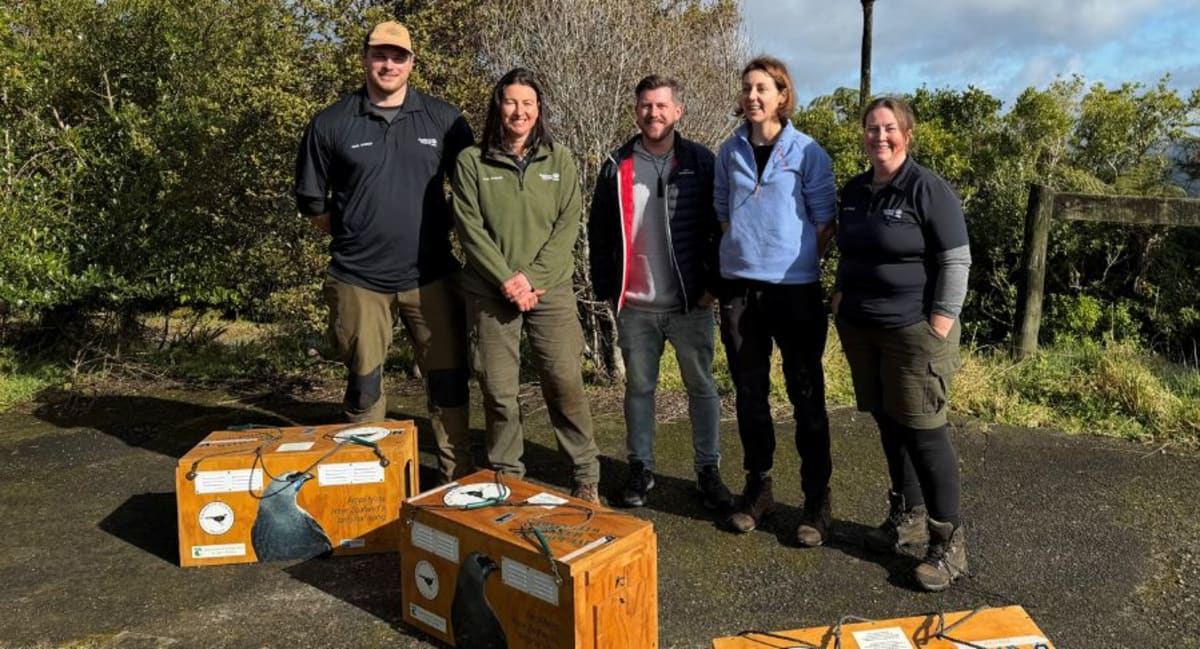
Nine kōkako have already made the journey from Hūnua to Waipoua, with 11 more arriving this weekend. The birds are healthy, breeding-age, and carry genetic diversity that struggling populations desperately need.
Miranda Bennett, Auckland Council's project lead, calls it a full-circle moment. "The Hūnua population only exists today because other regions once shared their birds with us," she says.
The approach works because it's been tested. More than half of New Zealand's kōkako populations exist thanks to similar translocations over the years.
The Ripple Effect
This rescue demonstrates how conservation success in one place creates resources to help another. Auckland ratepayers funded the pest control and habitat restoration through a Natural Environment Targeted Rate, turning their local investment into a lifeline for birds 250 kilometers away.
Northland's kōkako are especially valuable because their geographic isolation means they may carry unique genetic traits crucial for the species' long-term survival as climate changes. They also sing distinct regional songs that would be lost forever if these populations disappear.
Tipa Compain of Ngāti Pāoa, the local Māori authority in Hūnua, says sending the birds north honors connections between forests and responsibilities beyond their own region. Kim Boyce of Te Roroa in Northland calls the translocation "hope, a chance to restore balance" to their forests.
The collaboration involves Auckland Council, mana whenua from both regions, the Department of Conservation, and community volunteers who've spent years checking nests, controlling pests, and monitoring birds.
Twenty birds leaving won't hurt the Hūnua population, which remains robust and productive enough to sustain the loss while helping their northern relatives survive.
Based on reporting by Google News - Conservation Success
This story was written by BrightWire based on verified news reports.
Spread the positivity!
Share this good news with someone who needs it