Ontario Scientists Bring Rare Butterfly Back After 40 Years
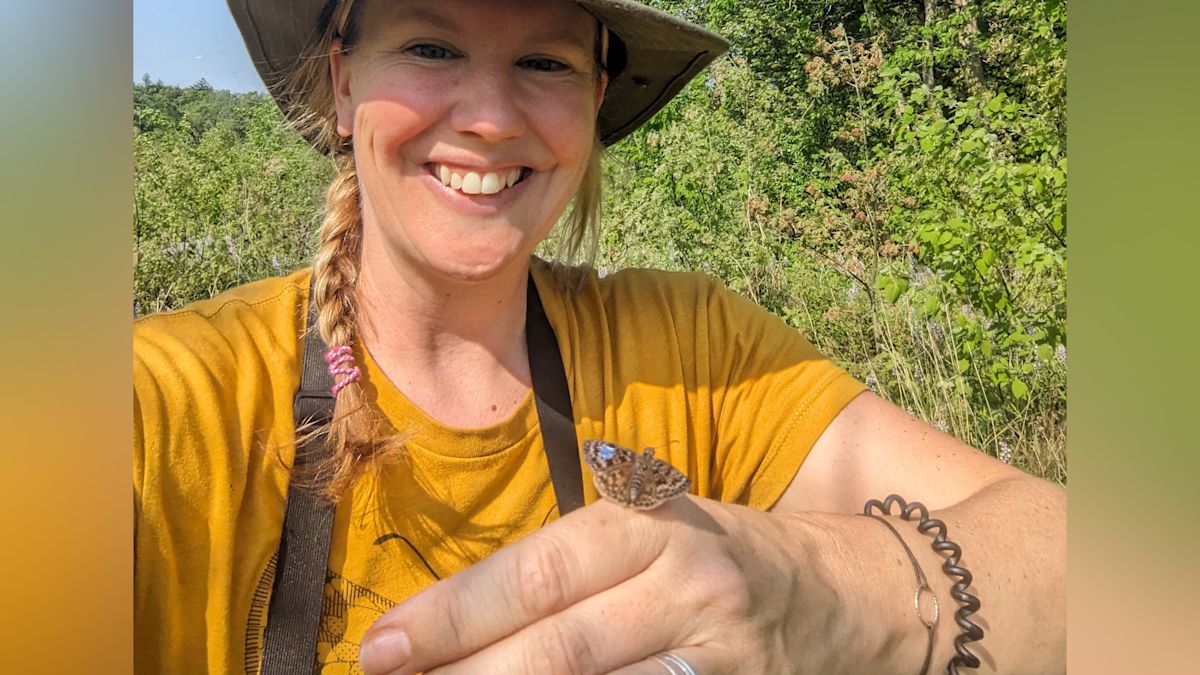
After vanishing nearly 40 years ago, the frosted elfin butterfly is making a triumphant return to Ontario. A dedicated research team is revitalizing local ecosystems by restoring native habitats and reintroducing three endangered pollinators.
Nature is staging a stunning comeback in Ontario as a delicate pollinator prepares to take flight on Canadian soil once again. The frosted elfin butterfly vanished from the province in 1988, but a pioneering team of researchers is reversing that loss.
Led by University of Guelph biology professor Ryan Norris, scientists are launching Canada's first multi-species framework for insect conservation. Backed by 2.4 million dollars in federal funding, the project aims to recover three at-risk butterfly species across the country.
The immediate mission involves bringing frosted elfin eggs from New York to breed safely at the Cambridge Butterfly Conservatory. Next spring, researchers will release the butterflies into restored oak savannas in Norfolk County, along Lake Erie.
These release sites represent a double victory for the environment. Conservationists transformed old, retired tobacco fields into thriving native meadows filled with wild sundial lupines, the butterfly's primary food source.
This ambitious conservation model already boasts an inspiring track record. Five years ago, the team reintroduced the endangered mottled duskywing butterfly to Pinery Provincial Park in Grand Bend.
Today, that duskywing population is flourishing into the hundreds and naturally colonizing surrounding areas. Park visitors now spot these fluttery champions right alongside hiking trails and campsites.
The project is also expanding west to strengthen populations of the rare curiously isolated hairstreak butterfly in Alberta. By establishing multiple self-sustaining colonies, researchers can ensure long-term stability for species that once stood on the brink.
The Ripple Effect
Butterflies do far more than bring beauty to the summer breeze. As critical pollinators and vital links in the food web, their return revitalizes the entire ecological community.
Rewilding these lost landscapes proves that human dedication can heal damaged habitats and welcome native wildlife back home. When we rebuild diverse habitats, we give nature the resilient foundation it needs to thrive for generations.
With each new butterfly released into the wild, a missing piece of Canada's natural heritage takes flight again.
More Images

Based on reporting by Planet Wins Desk
This story was written by BrightWire based on verified news reports.
Play Today’s BrightWire Positive Mini Crossword & Word Game
Keep your mind sharp with our free 5-minute uplifting daily crossword and positivity word puzzle.
Spread the positivity!
Share this good news with someone who needs it