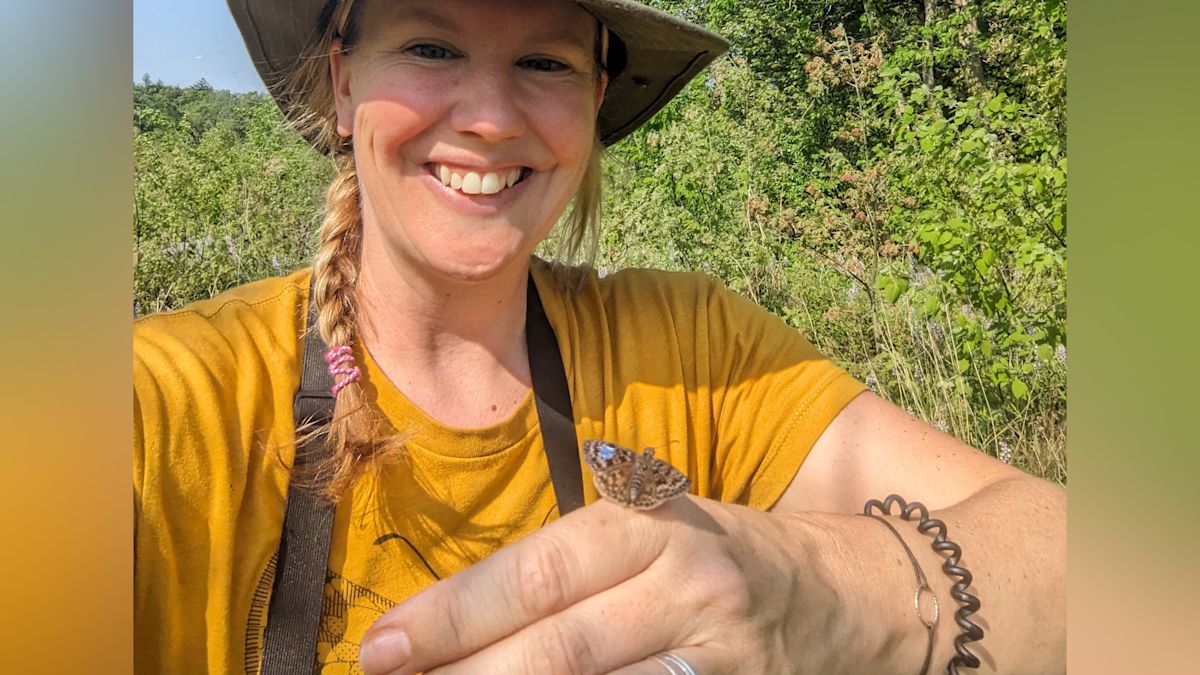
Canada Brings Back Butterfly Lost for 40 Years
Canadian researchers are reintroducing a delicate butterfly species that vanished from the country nearly four decades ago. A nationwide coalition is restoring native grasslands across Ontario and Alberta to help three rare pollinators thrive once again.
A tiny flash of silver and brown is preparing to flutter through Canadian skies for the first time in nearly four decades. This delicate return marks a triumphant breakthrough for biodiversity and a fresh chapter for the nation's wild spaces.
University of Guelph scientists lead a multi-million dollar recovery project to rescue three severely threatened butterfly species. Their ambitious coalition unites researchers, non-profit conservation groups, and government agencies across Ontario and Alberta.
The team focuses special energy on the frosted elfin, an enchanting pollinator that vanished from Canadian landscapes forty years ago. Dedicated biologists combine field surveys with state-of-the-art breeding programs to establish self-sustaining populations in historical flight corridors.
The project also bolsters fragile populations of the mottled duskywing and the isolated hairstreak. Both species face steep declines, yet targeted intervention is shifting their fortunes toward steady recovery.
Ecologists carefully prepare open oak savannas and sandy pine ecosystems to ensure incoming butterflies find reliable shelter. These specialized habitats disappeared over decades of development, leaving local insects with shrinking territory.
Now, scientists monitor regional microclimates and nurture caterpillars inside specialized facilities to maximize their survival. This meticulous care gives delicate chrysalises the best possible start before teams gently release them into protected reserves.
Conservation partners also collaborate with local land managers to plant vital flora like wild lupine and New Jersey tea. These native wildflowers provide the exclusive food source for growing caterpillars, establishing lush outdoor nurseries.
The Ripple Effect
Rescuing these vulnerable pollinators strengthens entire ecological webs across the Canadian wilderness. Robust butterfly numbers signal healthy, resilient grasslands that nurture songbirds, wild bees, and rare prairie plants.
By revitalizing interconnected meadows across two provinces, conservationists create living buffers that shield native wildlife against environmental shocks. Communities also gain richer green spaces where families and young naturalists can witness living history take flight.
With patience, collaborative science, and persistent dedication, these miraculous insects are finally reclaiming their rightful home in the wild.
Based on reporting by Planet Wins Desk
This story was written by BrightWire based on verified news reports.
Play Today’s BrightWire Positive Mini Crossword & Word Game
Keep your mind sharp with our free 5-minute uplifting daily crossword and positivity word puzzle.
Spread the positivity!
Share this good news with someone who needs it