Scientists Find Way to Save Drowning Coastal Marshes
Scientists in New Jersey are testing a breakthrough approach to rescue coastal marshes from rising seas, offering hope for ecosystems that protect millions of birds, fish, and coastal communities. The Scotch Bonnet Island project could become a model for saving wetlands worldwide. ══════════════════════════════════════════════════════════════════
Scientists in Stone Harbor, New Jersey are proving that coastal marshes don't have to drown as seas rise. Their innovative experiment could save some of Earth's most precious ecosystems.
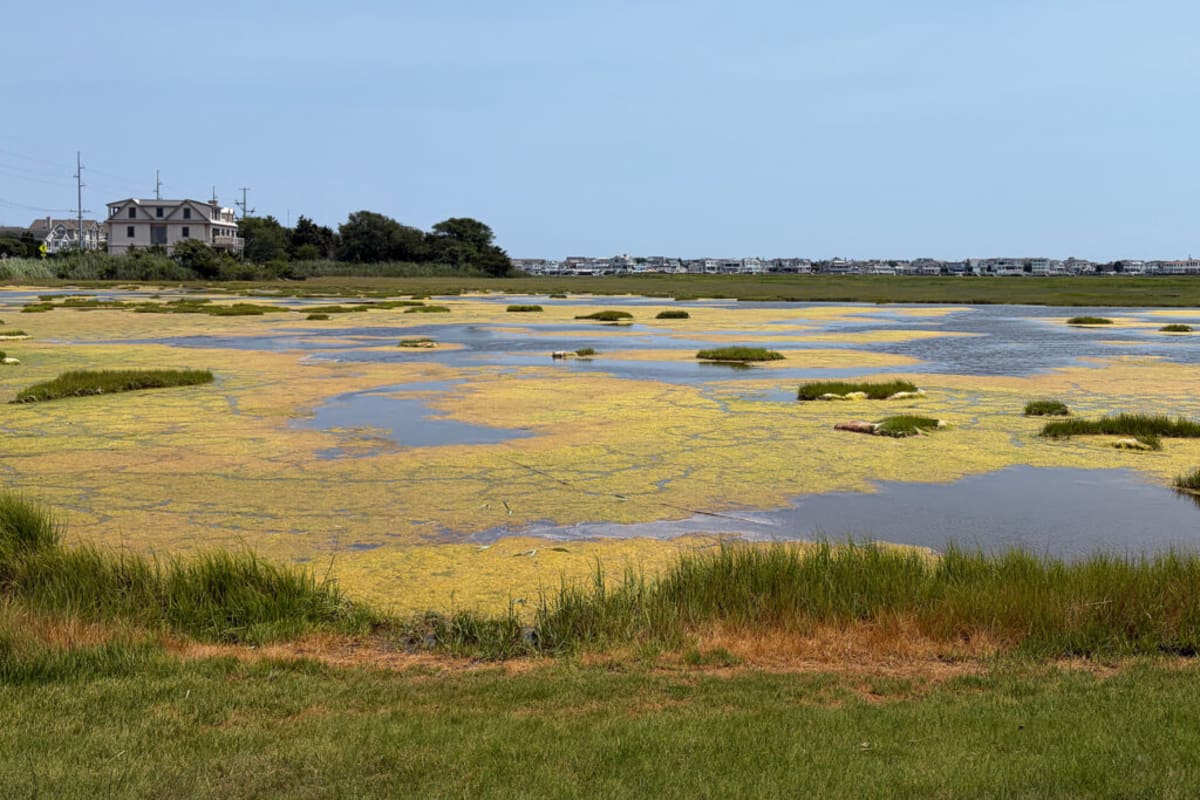
The Wetlands Institute recently completed an exciting project on Scotch Bonnet Island, adding five and a half acres of carefully engineered sediment to raise the marsh floor. While kids visiting for "Totally Turtle Tuesday" were charmed by diamondback terrapins, researchers were celebrating something even more remarkable: a working solution to help marshes survive.
"My job is to convince people and connect them to solutions," says Lenore Tedesco, the institute's executive director. "I want everybody to understand the best ways to do this."
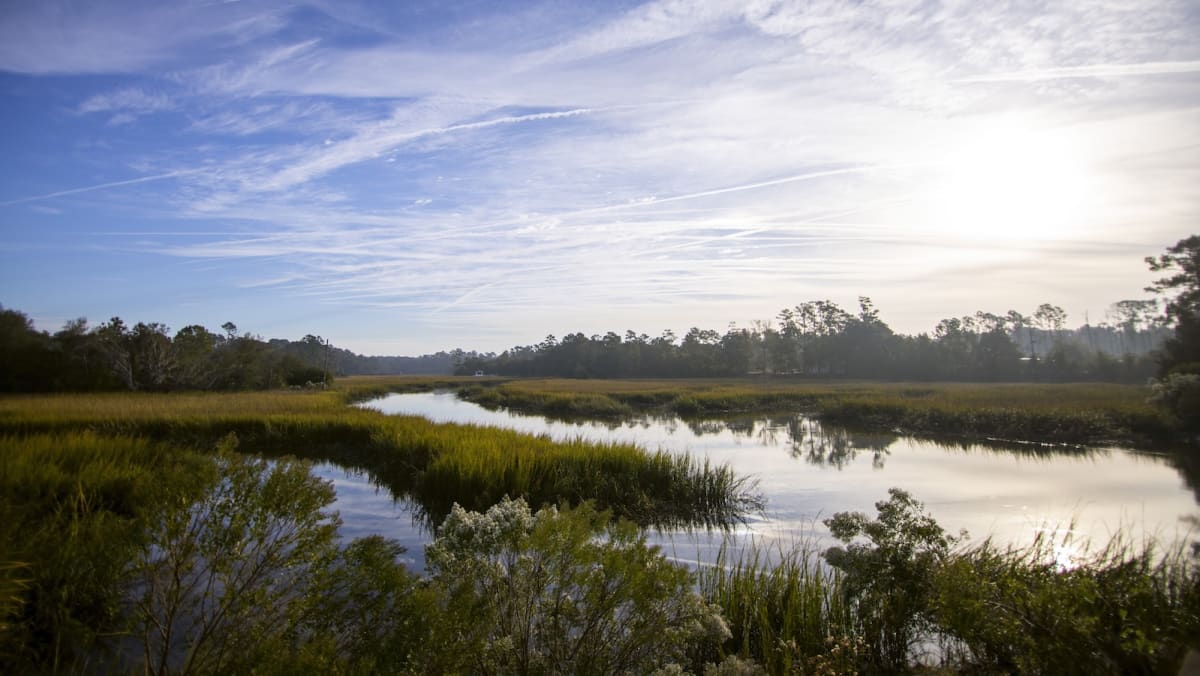
The challenge is real but solvable. Coastal marshes need regular tidal flooding to thrive, but too much water kills them. Historically, marshes kept pace with slowly rising seas by accumulating sediment over time. Today's faster sea level rise threatens that balance, but scientists are fighting back with restoration techniques.
The timing couldn't be more critical. More than a third of North American birds, including endangered species, depend on these wetlands for feeding and nesting. Over 75 percent of commercially fished species and 90 percent of recreationally fished species rely on coastal marshes for food and spawning grounds.
"There's a whole host of benefits to culture, to flora and fauna, and economically speaking," says Justine Neville, a wetland ecologist studying these ecosystems. Understanding how wetlands change helps scientists protect them better.
The Ripple Effect
What makes the Scotch Bonnet project so promising is its potential to become a template for coastal communities worldwide. The technique of adding sediment to raise marsh elevation is proving effective, giving other threatened wetlands a fighting chance.
Purple martins have already made homes in birdhouses along the restored marsh edges. Fish populations are rebounding in the shallow pools. The marsh grasses are taking root in the new sediment, creating habitat that will protect the coastline for decades.
The institute's work demonstrates something powerful: we're not helpless against environmental challenges. When scientists, communities, and conservationists work together with innovative solutions, we can protect the ecosystems that sustain us.
Tedesco, a geologist who sees this as the most rewarding work of her career, believes widespread marsh restoration is possible. Her team is collecting data to refine their techniques and share what works with conservation groups around the country.
Other coastal research centers are watching closely,ready to adapt these methods for their own threatened marshlands. Each successful restoration project builds knowledge that makes the next one more effective.
The Scotch Bonnet experiment proves that even as our planet changes, human ingenuity and determination can help nature adapt. These scientists aren't just studying a problem—they're actively solving it, one marsh at a time.
══════════════════════════════════════════════════════════════════
Based on reporting by Inside Climate News
This story was written by BrightWire based on verified news reports.
Spread the positivity!
Share this good news with someone who needs it