Georgia Marshes Get Room to Migrate as Seas Rise
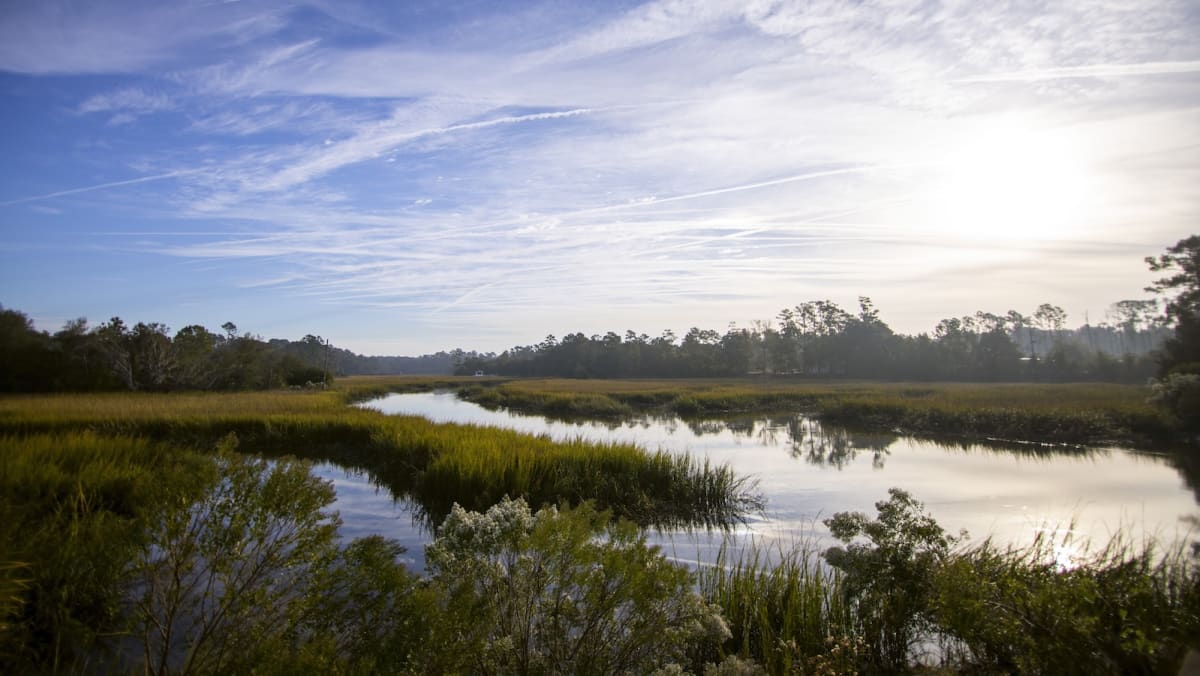
Georgia is protecting not just coastal marshes, but the land next to them so these natural storm barriers can move inland as sea levels rise. It's a first-of-its-kind plan that could save over 56,000 acres of future marsh habitat.
When the tide creeps higher year after year, nature knows exactly what to do: pack up and move inland.
Georgia's salt marshes are natural movers. Twice a day, every day, the tide floods these grassy wetlands, and they thrive anyway. They protect coastal communities from storms and filter pollution from the water. But as climate change pushes sea levels up to six feet higher over the next 75 years, these marshes face a problem: there's nowhere left to go.
That's changing thanks to a new action plan from conservation groups, scientists, and coastal communities. Instead of just protecting existing marshes, they're mapping out where those marshes will migrate next and working to keep that land open.
"Do we want to build up to the edge of the water or do we want to leave room?" asks Courtney Reich, coastal director for Georgia Conservancy. The answer is becoming clear: leave room.
The plan has identified more than 56,000 acres in Georgia where marshes will likely move as seas rise. These aren't random patches of land. They're the future front line of coastal defense, and right now they're still open to development.
In Liberty County, about 50 miles south of Savannah, locals are already seeing the approach work. An old construction pit near I-95 naturally filled with shallow water over the decades. Marsh grasses started sprouting up without any help, moving into the space as soon as conditions were right.
Now the county is helping those grasses along by restoring "living shorelines" instead of building concrete walls. The marsh roots hold soil in place naturally.
"When our solutions are done, you should look at it and not really recognize it as a repair," says Shannon Marino with Zulu Marine. "It should just look like nature."
Phil Odom has fished these waters for 75 years and watched the coast shift in slow motion. He's seen deep salt water move into areas that once had marsh grass, and new marshes appear in unexpected places. The difference now is speed. Climate change is accelerating the movement.
The Ripple Effect
Georgia is home to more than a third of all connected marsh habitat along the Southeastern coast. That's hundreds of thousands of acres protecting communities from storm surges and flooding. When these marshes thrive, entire coastal towns stay safer.
The new plan isn't about seizing anyone's property or forcing changes. It's a roadmap to help landowners and officials think long term instead of just reacting to immediate needs. Other coastal states are watching closely as Georgia leads this multi-state effort under the South Atlantic Salt Marsh Initiative.
The marshes have the magic to survive in one of Earth's harshest environments, flooded twice daily by salt water that would kill most plants. All they need is somewhere to go, and now Georgia is making sure they have it.
More Images


Based on reporting by Grist
This story was written by BrightWire based on verified news reports.
Spread the positivity!
Share this good news with someone who needs it