Europe Could Save €140B Yearly by Recycling Waste Heat
Two-thirds of global energy vanishes as wasted heat from supermarkets, factories, and data centers. Europe could power Paris for 48 years just by capturing the warmth it already throws away.
Every time a supermarket runs its refrigerators or a factory operates its machinery, heat escapes into the air. Europe is literally tossing away energy it has already paid for.
A new report from Danish engineering firm Danfoss reveals that two-thirds of global energy was wasted as heat in 2024. By 2030, experts predict this figure will still sit at 55 percent as energy demand climbs.
The solution is surprisingly simple. Heat pumps can capture this excess warmth and redirect it into the same building or nearby district heating networks that provide heating and hot water to homes and businesses.
One aluminium manufacturer in Denmark has already stopped using gas on-site through this process. The company now saves the equivalent annual heating and hot water gas use of 132 Danish homes.
The numbers are staggering. Europe dumped 3,100 TWh of waste heat in 2023, enough to power the entire city of Paris for 48 years. Capturing and reusing this heat could save the continent €140 billion annually.
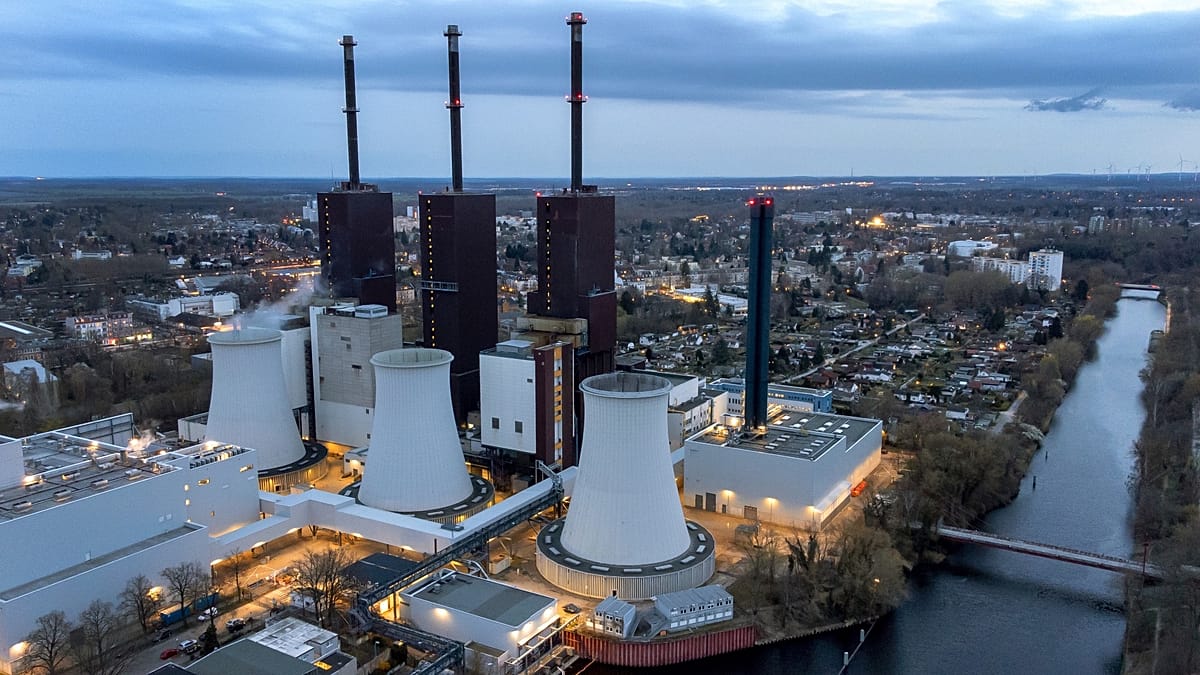
In Germany alone, existing industrial waste heat could supply more than 30 percent of the country's district heating demand. That figure doesn't even include the 3,000-plus data centers already operating across the country.
"We're throwing away energy we've already paid for," says Kirstian Strand, President of Danfoss Climate Solutions. He describes waste heat as one of the world's biggest untapped energy sources and one of the fastest ways to strengthen Europe's energy security.
The Ripple Effect: When waste heat gets captured instead of released, cities avoid the urban heat island effect that makes summers hotter. Buildings and homes get cheaper heating. Countries reduce their reliance on imported gas. And the climate benefits from dramatically lower emissions.
The barriers aren't technical. Industries need to make heat recovery standard practice. Energy operators need to simplify connections. Governments need to stop pricing electricity higher than gas for these investments.
Get those pieces in place, and waste heat stops being waste and becomes a source of cheaper energy and greater resilience.
More Images

Based on reporting by Euronews
This story was written by BrightWire based on verified news reports.
Spread the positivity!
Share this good news with someone who needs it