15 Nations Unite to End Illegal Fishing with Data Sharing
Fifteen countries across four continents just signed a groundbreaking agreement to share fishing data and stop illegal operations threatening ocean life and food security. By working together, they're tackling a problem that costs millions and puts seafood on the dinner table at risk.
Fifteen countries just made history by choosing cooperation over competition to save our oceans.
On June 17, 2026, nations from Africa, Asia, Latin America and Europe signed the Mombasa Declaration at the Our Ocean Conference in Kenya. Together, they committed to sharing critical fishing data and cracking down on illegal fishing operations that have long evaded capture by hopping between borders.
Seven African nations led the charge: Cameroon, The Gambia, Ghana, Guinea, Liberia, the Republic of the Congo and Somalia. For these countries, the stakes couldn't be higher.
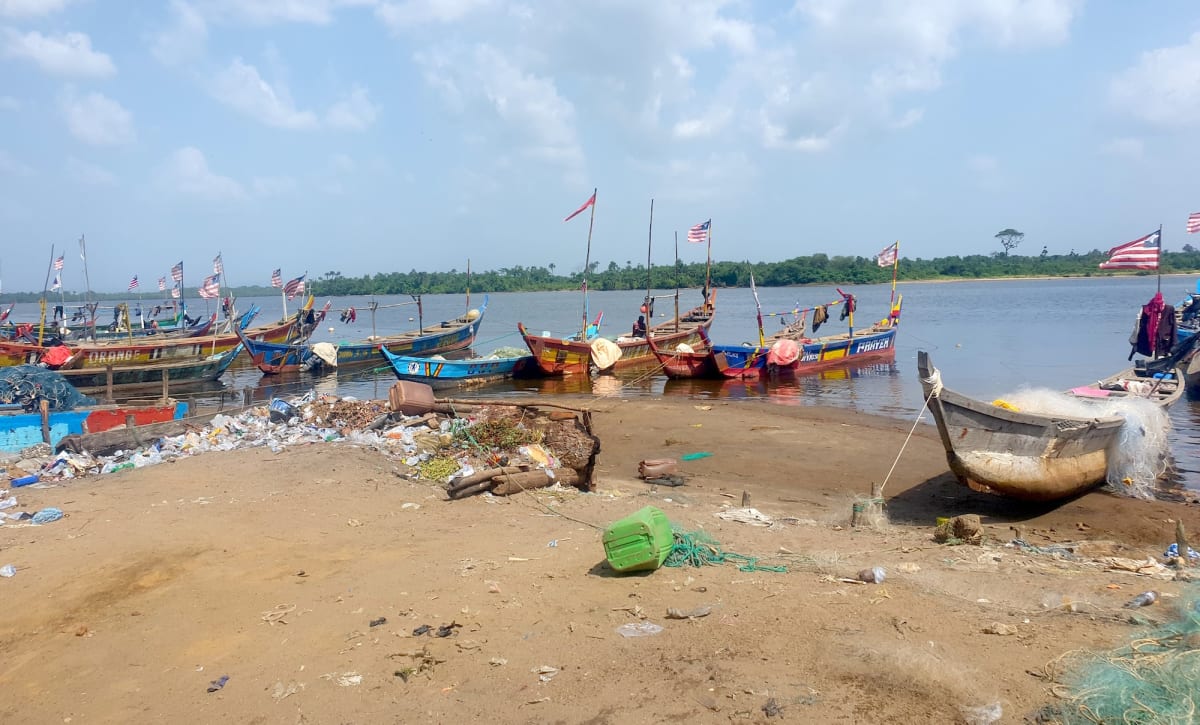
"In my country, our very existence depends on fish," said Emelia Arthur, Ghana's Minister of Fisheries and Aquaculture. Sixty percent of Ghana's animal protein comes from fish, and ten percent of the population relies on fishing for their livelihood.
The problem is urgent. Illegal fishing operations have become increasingly sophisticated, deliberately moving between countries to dodge regulations and enforcement. When one nation cracks down, the illegal vessels simply sail to another's waters.
"Illegal fishing perpetrators are getting more and more sophisticated in the way they are evading from one country's laws and regulations by moving to another one," explained Cephas Asare, West Africa regional manager for the Environmental Justice Foundation. "This needs to end."
The declaration includes concrete steps. Countries will publish fishing licenses, authorizations and quota allocations for anyone to see. They'll also require all industrial fishing vessels to carry unique identifiers, making it impossible for illegal operators to hide their tracks.
The Ripple Effect
This agreement addresses a crisis costing West African countries millions of dollars annually. When illegal fishing depletes fish stocks, it doesn't just hurt government budgets. It threatens food security for millions of people who depend on fish as their primary protein source.
By harmonizing regulations and sharing vessel information across borders, these countries are closing the loopholes that illegal operators have exploited for years. What one nation catches in its monitoring system can now alert others down the coast.
The signatory countries have already called on other coastal nations to join them. Their message is clear: protecting our oceans works better when we work together.
More Images

Based on reporting by Mongabay
This story was written by BrightWire based on verified news reports.
Spread the positivity!
Share this good news with someone who needs it