150 March in Johannesburg Against Immigrant Scapegoating
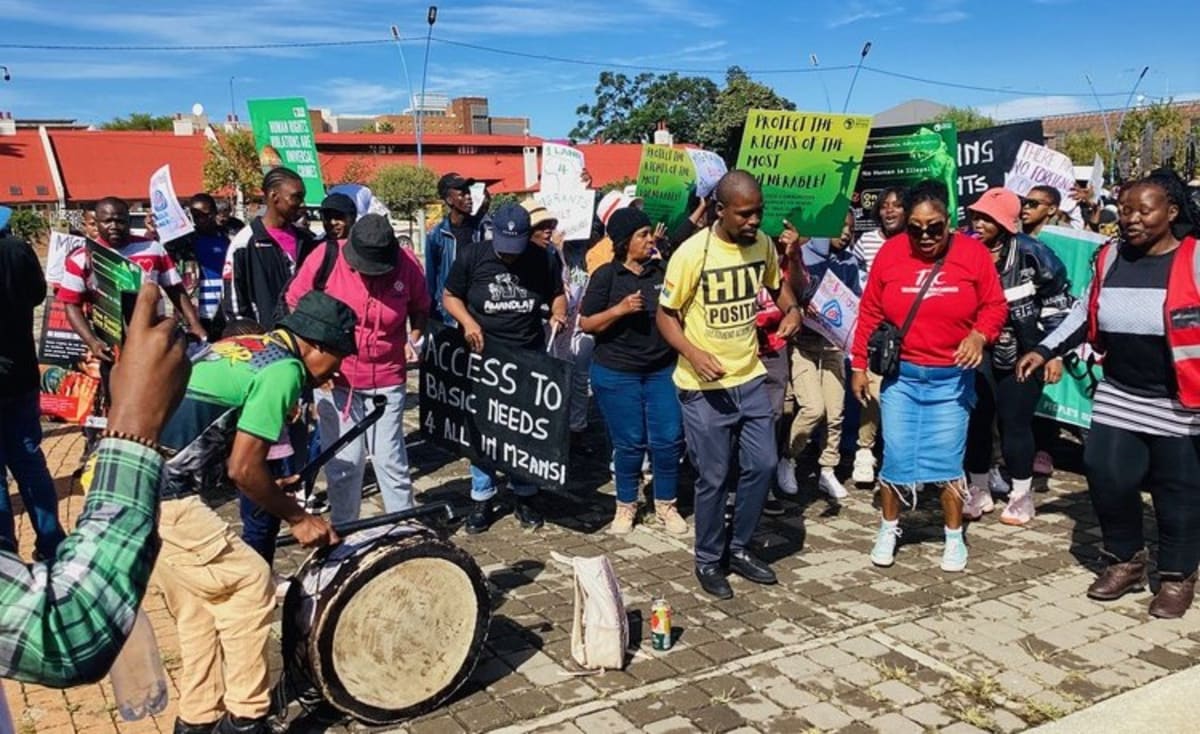
More than 150 people gathered in Johannesburg to stand up for immigrant rights and challenge narratives that blame newcomers for South Africa's problems. The peaceful march celebrated unity during Freedom Month and called for systemic solutions instead of scapegoating.
Drums, song, and hundreds of voices filled Mary Fitzgerald Square in Johannesburg on Saturday as people gathered to declare that no human being is illegal. More than 150 protesters marched through the city during Freedom Month, carrying signs reading "Blaming migrants is not the answer" and "Africa for Africans."
The march, organized by Kopanang Africa Against Xenophobia (KAAX) and immigrant-led groups, responded to recent anti-immigrant protests in Durban. Instead of pointing fingers at vulnerable people, marchers called for addressing real problems like corruption and failing public services.
Sharon Ekambaram from Lawyers for Human Rights reminded the crowd that rights belong to everyone equally, regardless of where they were born. KAAX went further, stating that systemic corruption and poor governance are the true causes of South Africa's challenges, not the people seeking safety and opportunity within its borders.
Immigrant voices at the march shared powerful personal stories. Isabel Moyo from Zimbabwe explained that newcomers aren't taking jobs but creating businesses that serve their communities. Vanessa Mbenje and Theodora Faith Kaisi from Malawi described struggles with documentation that leave workers vulnerable to exploitation and underpayment.
Thifulufheli Sinthumule from the Consortium for Refugees and Migrants highlighted how immigrants often face barriers to basic services like education and healthcare. The stories painted a clear picture: people want to contribute, work legally, and live peacefully alongside their neighbors.
The Ripple Effect
This march represents something bigger than one day of protest. By bringing together South Africans and immigrants in solidarity, it challenges the dangerous trend of blaming vulnerable people for complex systemic problems. When communities unite instead of divide, they create pressure for real solutions that help everyone.
The marchers also exposed corruption within the system itself, calling out police officers and Home Affairs officials who solicit bribes from desperate people seeking documents. Fixing these institutions would serve all South Africans while protecting human dignity.
The march ended at Constitution Hill in Braamfontein, a fitting destination that symbolizes South Africa's commitment to human rights and democracy. As marchers declared their shared humanity, they reminded their nation that progress comes from working together, not tearing each other apart.
Based on reporting by AllAfrica - Headlines
This story was written by BrightWire based on verified news reports.
Spread the positivity!
Share this good news with someone who needs it
%2Ffile%2Fattachments%2F2996%2Fharriethoriz_750866.jpg)