%2Ffile%2Fattachments%2Forphans%2FWFD_4328_290411.jpg)
Rural Foundation Helps 500 Annually Get IDs in Eastern Cape
In remote Elliotdale, South Africa, the Nosintu Gwebindlala Foundation is ending generational statelessness by helping 500 people yearly obtain birth certificates and identity documents. With an 80% success rate, they're restoring dignity and access to education, healthcare, and jobs for families cut off from basic services.
For generations, families in Elliotdale's remote villages have lived invisible to the state, trapped without birth certificates or identity documents that would unlock education, healthcare, and hope.
Nosintu Gwebindlala saw the crisis in her own community and decided to act. In 2022, she launched the Nosintu Gwebindlala Foundation to help undocumented residents navigate the complex process of obtaining official papers.
The scale of the problem shocked even her. "People think that documents are accessible to all, and from a rural perspective, there are many different issues that lead to people being undocumented," Gwebindlala explained.
Many families face generational statelessness, where grandparents, parents, and children have all lived without documentation. Mothers cannot register their babies without valid IDs of their own, creating an impossible cycle.
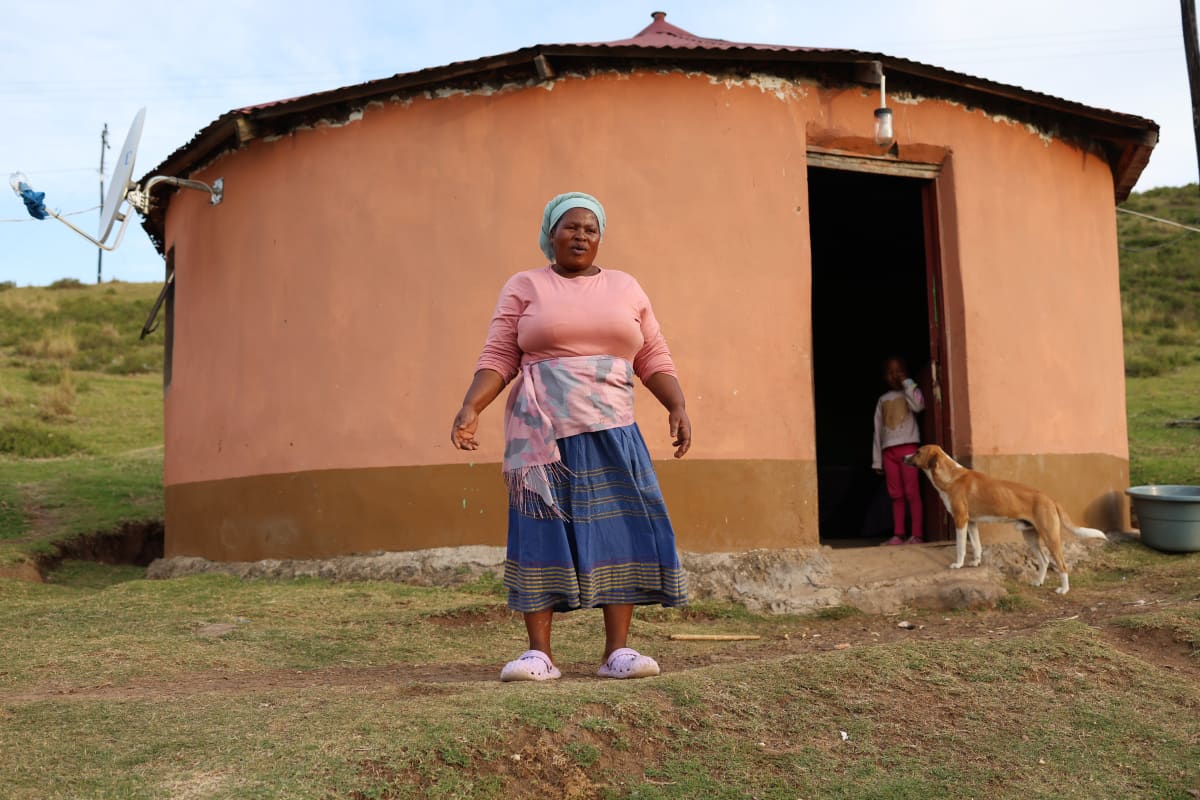
Geography compounds the challenge. The nearest Home Affairs office sits 50 kilometers away, requiring transport costs of R50 to R100 per person in an area where unemployment exceeds 90%.
The nearest maternity clinic requires crossing a river on foot and navigating two hours of rolling hills. Home births are common, meaning children often lack the proof of birth forms issued at hospitals.
Gwebindlala and her team work differently than government offices. While overwhelmed Home Affairs officials juggle 100 people daily, the foundation sits with each family for as long as needed.
"We will sit and walk with each person," Gwebindlala said. They treat every complex case as unique, accounting for deceased relatives, absent parents, and missing paperwork across multiple generations.
The Ripple Effect
The foundation handles approximately 500 cases annually with a remarkable 80% success rate. Each success means a child can enroll in school, a grandmother can access her pension, or a young adult can pursue employment.
The organization operates from Xhora Mouth Administrative Area but assists people across Elliotdale. They've even launched a virtual advice office for those seeking help from further away.
Gwebindlala describes the social welfare challenges from lack of documentation as a "pandemic." Without birth certificates, families cannot access Child Support Grants that would ease hunger and poverty.
Children grow up unable to attend school or dream of tertiary education. Adults remain locked out of formal employment, perpetuating cycles of poverty that span generations.
"I would say we're the voice of these undocumented citizens," Gwebindlala said. "We speak on their behalf."
Her position as wife of the senior traditional leader gives her unique community connections and trust. People who once felt invisible now have someone willing to navigate bureaucracy alongside them.
Each identity document the foundation secures represents more than paperwork—it restores dignity, opportunity, and a family's rightful place in society.
More Images
%2Ffile%2Fattachments%2Forphans%2FWFD_4287_971039.jpg)

Based on reporting by Daily Maverick
This story was written by BrightWire based on verified news reports.
Spread the positivity!
Share this good news with someone who needs it
%2Ffile%2Fattachments%2F2995%2Fnelsons-main_547330.jpg)
