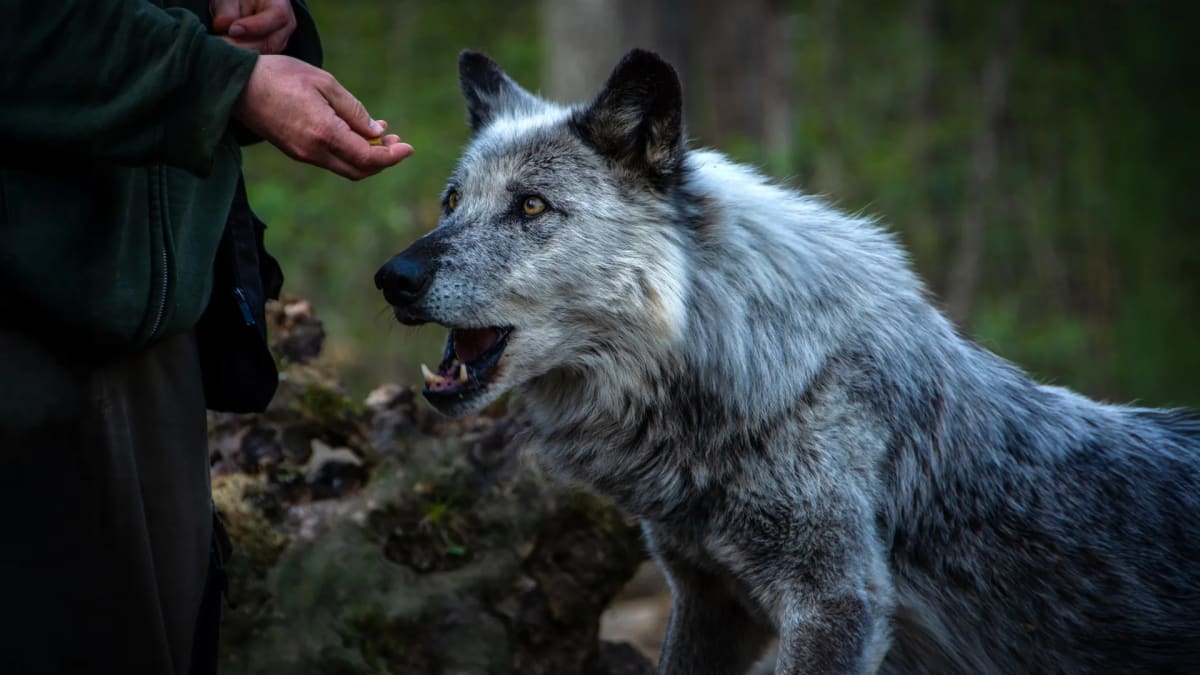
15,000 Years of Humans and Dogs Evolving Together
New research reveals how dogs and humans shaped each other across 15,000 years, adapting to every environment from frozen Arctic tundra to tropical rainforests. The partnership created everything from high-altitude dogs with special genes to woolly dogs bred for ceremonial blankets.
Dogs didn't just become our best friends. They evolved alongside us, adapting their bodies and skills to match human needs in nearly every corner of the planet.
For roughly 15,000 years, humans and dogs have been changing each other in remarkable ways. Archaeologists have found dogs buried beside humans in graves dating back 14,000 years, revealing just how deep this bond runs.
Professor Peter Mitchell's new book "First Dogs" explores how this extraordinary diversity arose through shared evolution. Rather than humans simply controlling wolves, people and wolves may have entered the relationship as relatively equal participants, especially among hunter-gatherer communities.
As these partnerships developed in different places, dogs acquired wildly different characteristics. Northern sled dogs became compact and heavily coated for brutal cold, while hunting dogs near the equator stayed lean to handle tropical heat.
On the Tibetan Plateau, dogs developed the same genetic solutions as humans for surviving in oxygen-poor conditions. These special genes allowed both species to thrive at elevations that would challenge others, showing how closely intertwined the evolution became.
Arctic communities created some of the most specialized partnerships. Indigenous peoples developed sophisticated dog sledding cultures where dogs became essential survival partners, not just transportation. Ancient bones show distinctive stress patterns in vertebrae and strong limbs built for pulling heavy loads across frozen terrain.
Tropical environments pushed evolution in completely different directions. In South American and Southeast Asian rainforests, dogs became smaller and more agile, perfect for tracking prey through dense vegetation. Indigenous communities carefully controlled breeding to preserve these prized hunting skills.
Why This Inspires
The human-dog bond proves that cooperation can create something neither species could achieve alone. Some Indigenous communities on the Northwest Coast even bred special woolly dogs for their hair, which was woven into ceremonial blankets. Dogs took on roles in religious traditions and cultural ceremonies, becoming woven into the spiritual fabric of societies.
Today more dogs live alongside people than ever before, ranging from tiny chihuahuas to towering Great Danes. This living legacy of 15,000 years shows what's possible when two species choose partnership over competition.
Based on reporting by Science Daily
This story was written by BrightWire based on verified news reports.
Spread the positivity!
Share this good news with someone who needs it